






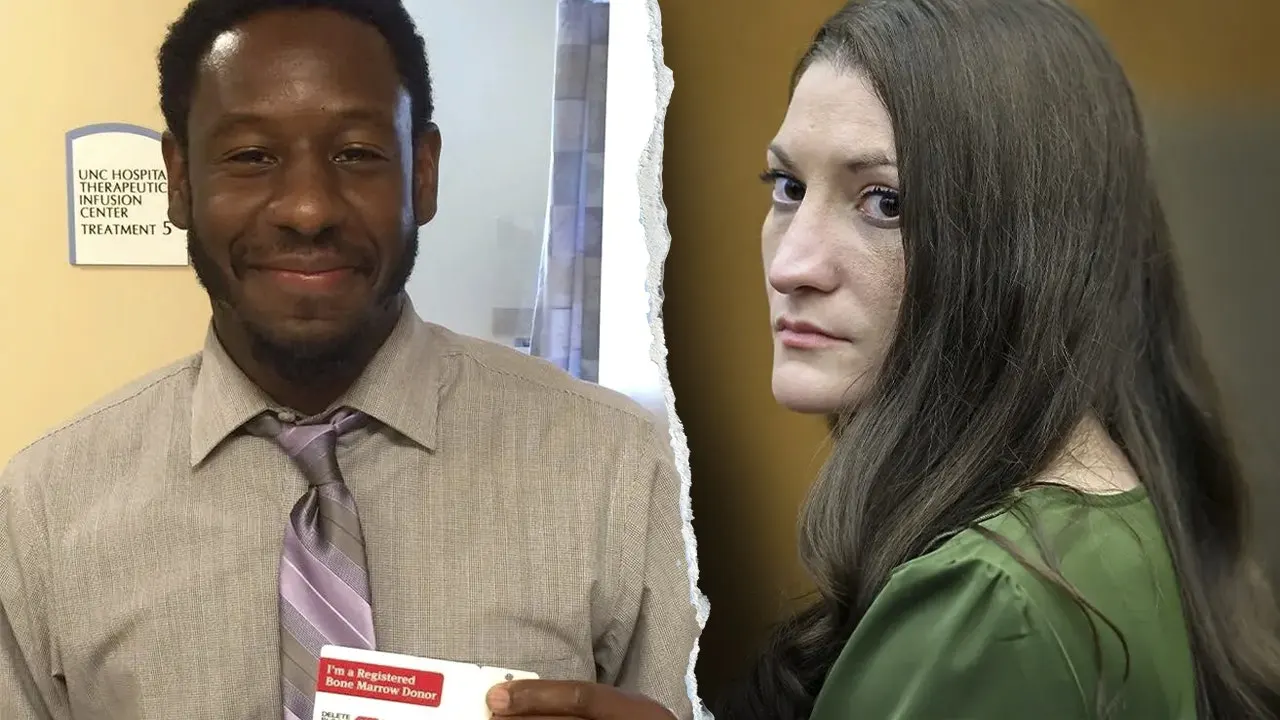
For months, the case of Lindsay Clancy has existed in a strange, sorrowful space between undeniable tragedy and deeply contested blame. A mother, a Massachusetts nurse, someone who by all accounts had struggled with her mental health in the months after giving birth, was charged with the unthinkable: strangling her three children—five-year-old Cora, three-year-old Dawson, and eight-month-old Callan—with exercise bands in their family home. The trial was always going to be wrenching, but it ended in something far more complicated than a typical verdict: a hung jury, deadlocked at eleven to one. The majority believed she should be found not criminally responsible because of mental illness. One person, however, refused to agree. And now, instead of moving directly toward a retrial or a plea, Clancy’s legal team has turned its attention to that lone holdout, demanding an investigation into whether that juror’s refusal to convict was truly based on the evidence—or something far more troubling, like an outside influence or a hidden agenda. The motion, filed by attorney Kevin Reddington, does not simply ask for a new trial. It asks the court to peel back the curtain on the jury’s deliberations and on the hidden life of the one juror who stood in the way of a unanimous verdict.
The specifics of the request are striking in their depth and detail, revealing how far the defense is willing to go to challenge the integrity of the deadlock. Reddington is asking a Massachusetts judge to preserve all juror records from the twelve panelists and six alternates, including their questionnaires and any supplemental filings, but the focus is unmistakably on Juror Doe—the holdout. He wants courthouse hallway surveillance video from outside the deliberation room, sign-in sheets for the jurors’ cellphones, and any records of background checks that may have been conducted. The request also seeks Juror Doe’s probation records, any entries in the statewide domestic violence registry, and a demand for prosecutors to reveal whether they have had any contact with that juror as a defendant, complainant, or subject dating back to January 2021. In other words, the defense is trying to determine whether the holdout had some prior experience with the criminal justice system or with the district attorney’s office that might have skewed their view of the case. It is an aggressive, unprecedented move, one that effectively treats the lone dissenting juror not just as a witness to the deliberation process but as a potential source of misconduct. The motion essentially argues that the entire trial may have collapsed because of what that one person did—or knew—outside the official record, and that the court has a responsibility to find out the truth.
The defense’s request goes even further, into territory that raises serious questions about privacy and juror independence. Reddington wants access to the holdout’s phone records from 8:30 a.m. to 4:30 p.m. on each day of deliberations, along with an independent examination of that phone’s usage during the same period. He is also asking the court to question Juror Doe directly about the truthfulness of their questionnaire, their answers during voir dire, their statements to the court on September 3, and whether they used a phone or any outside information during deliberations. Perhaps most aggressively, the motion suggests that the court should hear from another juror—referred to as Juror No. 10—specifically limited to what that person observed about Juror Doe’s phone use. This is a direct challenge to the sanctity of the jury room, where deliberations are supposed to remain secret and where jurors are trusted to weigh only the evidence presented in open court. If an outside influence, a personal bias, or even a simple act of defiance was at play, the defense wants to expose it. The subtext is unmistakable: Clancy’s lawyers believe the mistrial may not have been a legitimate difference of opinion but a failure of the system itself, caused by one juror who should not have been seated, should not have voted, or should not have had a phone in their pocket while deciding the fate of a grieving mother.
To understand why this motion matters so much, one has to go back to the trial itself and the heartbreak that defined it. Clancy’s defense team never denied that she strangled her children. Instead, they argued that she was in the grips of postpartum psychosis, a severe mental illness that, in their telling, left her unable to distinguish right from wrong. They painted a portrait of a woman who had repeatedly sought help for her deteriorating mental state, who suffered from horrific intrusive thoughts, and who ultimately committed an act so far outside her character that it could only be explained by profound psychiatric illness. The prosecution, however, argued differently. They portrayed Clancy as someone who acted deliberately, who knew exactly what she was doing, and who understood that strangling her children one by one was wrong. They pointed to her actions before and after the killings as evidence of awareness and calculation. The jury was deeply divided, but not in the way such cases often go. Eleven jurors reportedly leaned toward finding her not guilty by reason of mental illness. One juror held out, and according to the foreperson, that juror openly admitted there was reasonable doubt yet still refused to return an insanity verdict. That contradiction—acknowledging reasonable doubt but refusing to acquit—has become the centerpiece of the defense’s argument that something was wrong with that juror’s reasoning, and perhaps with that juror’s conduct.
What makes this case even more extraordinary is the broader legal situation. Clancy still faces three counts of first-degree murder for the deaths of Cora, Dawson, and Callan. The prosecution has not yet announced whether it will seek a retrial, though many legal experts expect that some resolution will eventually be reached. Given the eleven-to-one deadlock and the deeply sympathetic nature of the defense’s mental health evidence, a full retrial could be difficult, expensive, and emotionally exhausting for everyone involved. Some veteran attorneys have suggested that this case could be the rare exception where a plea deal might be negotiated, perhaps to lesser charges or a mental health disposition that satisfies both sides. But before any of that can happen, the defense is making one more effort to overturn the mistrial itself. Reddington has separately filed a routine motion asking the court to overrule the holdout juror and declare Clancy not guilty as a matter of law. That motion and the new investigation request are intertwined. If the court finds that Juror Doe should not have been allowed to vote, or that their participation was tainted by outside information or bias, the eleven not-guilty votes could potentially stand as a verdict, sparing Clancy from another trial. It is a legal long shot, but in a case already filled with so much pain and so many unanswered questions, the defense appears willing to leave no stone unturned.
The public response to this filing has been polarized, to say the least. To some, the investigation into the holdout juror is a necessary check on a flawed process, a way to ensure that a woman who was clearly suffering from mental illness is not retried solely because of one person’s stubborn refusal to follow the law. To others, the motion feels like a dangerous attack on the justice system itself, an attempt to discredit a juror simply because they held a different opinion. The holdout juror has already been thrust into an uncomfortable spotlight, with the foreperson’s comments and the threat of public scrutiny hanging over their head. There is something deeply unsettling about the prospect of a juror being investigated after the fact, their phone records subpoenaed, their past relationships with the legal system combed through, all because they cast the deciding vote against conviction. Yet there is also something deeply human about the desperation in the defense’s approach. Lindsay Clancy’s life, as far as anyone knows, is already effectively over—whether she is convicted or committed to a psychiatric facility, she will never be free in the way she once was. Her children are gone. Her family is shattered. And the legal process, meant to deliver closure, has only added another layer of uncertainty.
At its core, this is not just a legal story about juror misconduct or procedural motions. It is a story about how a community, a legal system, and a family try to make sense of an almost impossible tragedy. There are no winners here, no clean resolutions, no simple answers. The three young children who lost their lives will not come back, and no ruling from any judge can change that. Lindsay Clancy, whatever her mental state at the time of the killings, must live with the weight of what she did, and her surviving family must live with both grief and the strange burden of defending her. The jurors who deliberated through this case carried an enormous responsibility, and now one of them faces the possibility of becoming the target of an investigation. The prosecutors, who have the duty to seek justice for the victims, must decide whether to push forward or find some measure of mercy. And the public, which has followed this case with a mixture of horror and compassion, is left to wrestle with questions about mental health, motherhood, accountability, and the limits of the law. The motion to investigate the holdout juror may succeed or fail, but it has already accomplished something important: it has reminded us that this case, even after the mistrial, is still unfolding, still unresolved, still demanding that we look into the darkest corners of the human mind and ask ourselves what justice truly means.