

How the University of Illinois’s Education Program Is Shaping Future Teachers’ Worldviews
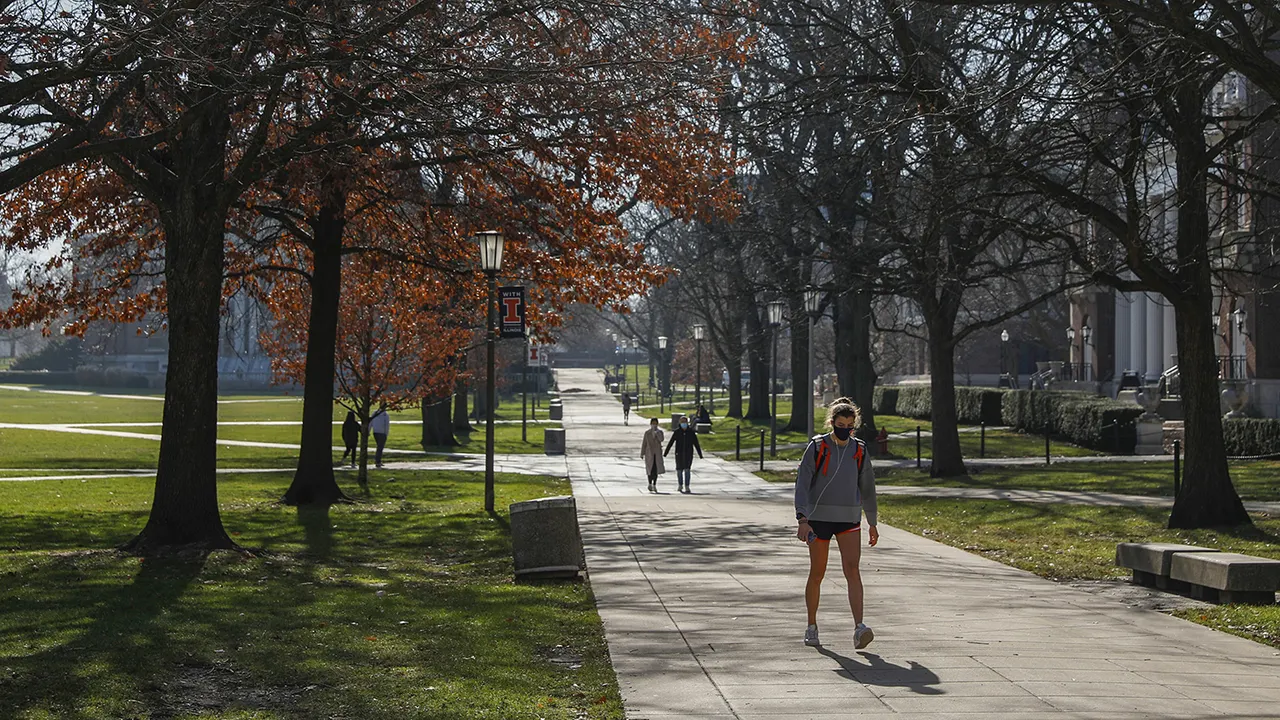
An introductory education course at the University of Illinois Urbana-Champaign has become a focal point of controversy, as revealed through PowerPoint presentations shared by a student whistleblower. The course, “Identity and Difference in Education” (EDUC 201), appears to take a decidedly progressive approach to preparing future educators. The freshman-level class, taught by Professor Gabriel Rodriguez, introduces teaching majors to concepts of identity, privilege, and social justice—frameworks that will potentially influence how they eventually interact with their own students. According to the whistleblower, the professor made his political leanings clear from the outset, emphasizing that teachers need to be “political,” which the student interpreted as meaning “liberal.” The course materials suggest that education itself is “inherently political,” framing schools as battlegrounds for competing ideological interests in shaping the next generation.
The course dedicates significant attention to LGBTQ+ issues in education, with presentations citing advocacy organizations like the ACLU, Human Rights Campaign, and the Trevor Project to support claims about anti-LGBTQ+ legislation and student experiences. One presentation titled “Supporting LGBTQ+ Students in Schools” explicitly states that “LGBTQ+ Americans are under attack” and encourages future teachers to demonstrate “allyship and solidarity.” The materials advocate for practices like using preferred pronouns and embracing “diverse and intersectional LGBTQ+ experiences.” For the student whistleblower, these teachings raise moral concerns, particularly regarding gender identity discussions with young children. They expressed discomfort with what they perceive as encouraging children to question their biological sex during formative, often confusing developmental periods, describing it as “reaffirming delusion” rather than helping children become comfortable with their biology.
Race and privilege also feature prominently in the curriculum, with week five slides focused on “Embracing Asset-Based Practices” and examining privileged versus “minoritized” identities. The course appears to reject standardized “best practices” in favor of approaches that consider “sociocultural realities.” Rather than focusing on traditional measures of achievement like grades or test scores, the materials emphasize addressing systemic opportunity gaps and “inputs” like resources. One slide explicitly states that “thinking in terms of ‘achievement gaps’ emphasizes the symptoms; thinking about unequal opportunity highlights the causes,” suggesting a structural rather than individual approach to understanding educational disparities. The whistleblower characterized these teachings as elements of “critical race theory,” expressing concern about the potential impact on children when these future teachers enter classrooms.
The student’s primary concern centers on how these educational philosophies might affect children when implemented by the program’s graduates. They worry that the approach could unnecessarily introduce political concepts to young children who “don’t see color” or have innate biases. “They’re going to be pointing at your White child and call them an aggressor, or they’ll point at your Black child and convince them they’re a victim,” the student claimed, suggesting that such frameworks might actually create divisions where none previously existed. The student also noted that the professor would sometimes present news headlines, particularly those related to the Trump administration’s anti-DEI policies or Fox News stories, in a negative light, further reinforcing their perception of political bias in the course materials.
The University of Illinois Urbana-Champaign defended the course in a statement to Fox News Digital, emphasizing that it “complies with all applicable federal and state laws governing equal access and nondiscrimination.” The university described the course as examining “how identity, power and privilege impact equity in education, focusing on socially constructed identities and asset-based frameworks.” According to the university, “Understanding differences in identities is important to improve educational outcomes for all students.” The statement also noted that while the institution approves programs of study and curricular requirements, instructors have the freedom to create syllabi and materials based on their subject expertise. The university positioned the course as part of a broader educational approach that encourages “questioning ideas, posing alternative opinions and presenting different perspectives” to create knowledge and foster meaningful engagement with the world.
This controversy highlights the broader national debate about education’s purpose and appropriate content, particularly regarding issues of identity, sexuality, and social justice. For some, courses like EDUC 201 represent necessary preparation for teachers to address the complex realities and diverse needs of today’s student populations. For others, including the whistleblower, they represent ideological indoctrination that risks politicizing education and imposing adult concepts on children who aren’t developmentally ready for them. As teacher preparation programs continue to evolve, the tension between traditional educational approaches and more progressive frameworks will likely remain at the center of discussions about how best to prepare the educators of tomorrow. The University of Illinois case offers a window into these competing visions for American education and the values that should guide those who teach the next generation.
The debate over courses like “Identity and Difference in Education” reflects a fundamental disagreement about education’s role in society. Should schools primarily transmit knowledge and skills, or should they actively work to address perceived social inequities? Should teachers strive to be politically neutral, or should they embrace advocacy roles? As institutions like the University of Illinois shape future educators through courses that frame teaching as inherently political and justice-oriented work, these questions become increasingly relevant for parents, students, and communities. While the university defends its approach as creating more knowledgeable and engaged educators, critics worry about the potential consequences of bringing ideological frameworks into classrooms where young minds are still developing. This tension—between education as a transformative social justice endeavor and education as neutral knowledge transmission—continues to define one of America’s most contentious cultural discussions, with implications that extend far beyond university walls into the classrooms where these future teachers will ultimately practice their craft.