

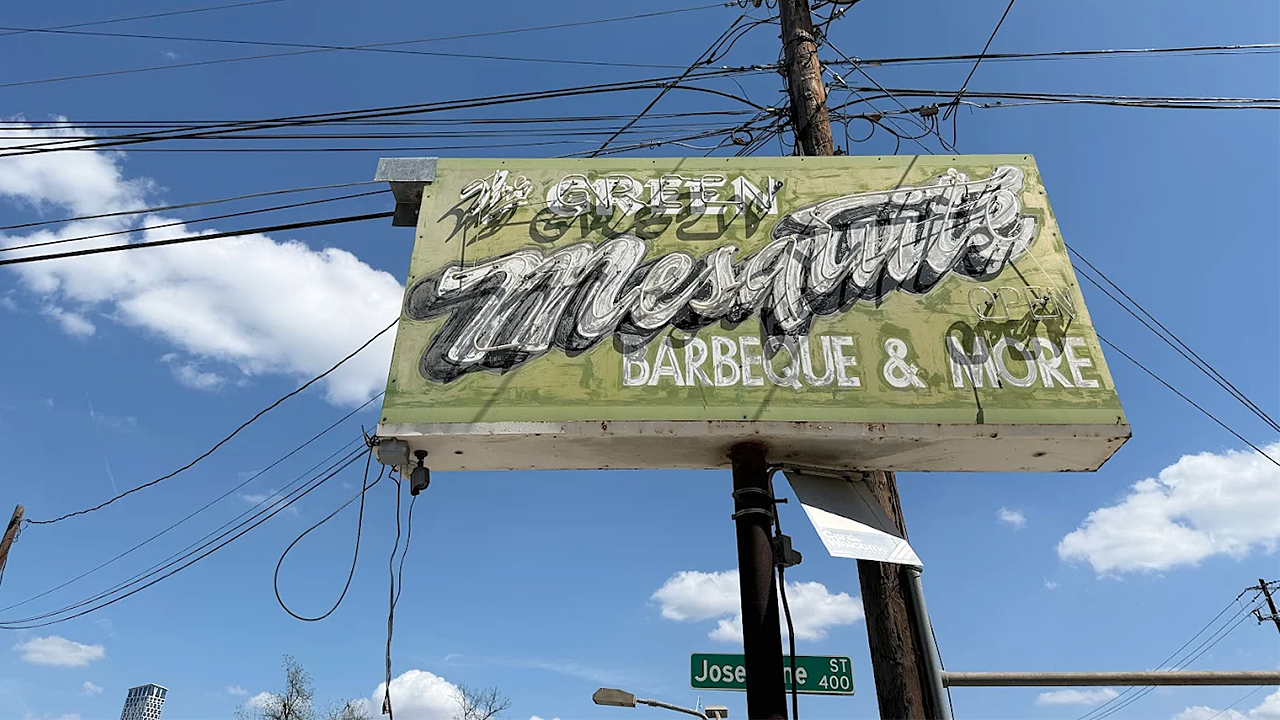
On a warm mid-May afternoon in Austin, Texas, sixty-four-year-old Kirk Foyle sat down for a meal at the Green Mesquite BBQ, a beloved local staple nestled along the vibrant corridor of Barton Springs Road. Known for its smoky aromas, rustic charm, and welcoming outdoor patio, the restaurant was a place where generations of families gathered to enjoy Texas hospitality. For Kirk, a devoted father of four, it should have been just another ordinary day spent enjoying the simple pleasures of his community. Instead, as a sudden spring storm began to sweep through the area, the leafy canopy overhead transformed from a source of peaceful shade into a scene of unimaginable horror. Without warning, a massive, diseased pecan tree towering over the outdoor dining area fractured violently at its base, crashing down directly onto the patio and crushing Kirk under its immense weight. In an instant, a bustling family restaurant became the site of a devastating tragedy, leaving a family shattered and a community grappling with the realization that this loss was entirely preventable.
The towering pecan tree, structurally compromised and internally rotting, was known colloquially by a chilling name in the legal complaint: a “Widow Maker.” Though rooted on property shared and controlled by both the Green Mesquite BBQ and the neighboring upscale boutique, Aspen Hatter, its expansive, decaying branches hung directly over the very tables where unsuspecting diners sat. According to the wrongful death lawsuit filed by Kirk’s grieving family, the tree had exhibited visible, glaring signs of advanced disease, decay, and structural instability for a significant period. Despite the obvious danger it posed to the public, the property owners, management, and staff of both establishments allegedly failed to perform even basic inspections or take any preventative measures to prune, support, or remove the dying colossus. By choosing aesthetic appeal or negligence over public safety, the businesses allowed a ticking time bomb to hang suspended over their patrons, transforming a routine lunch into a deadly hazard.
The moments of the collapse on May 19 were chaotic and terrifying as the storm rolled over Austin, bringing strong winds that ultimately pushed the compromised tree past its breaking point. As diners scrambled to react to the sudden change in weather, the massive pecan tree split near its base with a deafening crack, sending heavy, decaying limbs crashing down onto the patio. Kirk Foyle bore the brunt of the impact, suffering catastrophic blunt force trauma that instantly claimed his life, a grim reality later confirmed by the Travis County Deputy Medical Examiner. The suddenness of his death left his four children and extended family in a state of profound shock and grief, struggling to comprehend how a beloved father could go out for a casual meal and never return home. The trauma of that afternoon reverberated far beyond the physical boundaries of Barton Springs Road, exposing the devastating human cost when commercial entities neglect the most fundamental duty of keeping their premises safe for the public.
In the wake of this heartbreaking loss, the Foyle family has launched a legal battle against the Green Mesquite BBQ and the neighboring property owners, seeking over $1,000,000 in damages for gross negligence, mental anguish, and funeral expenses. The lawsuit is not merely a pursuit of financial compensation, but a desperate cry for accountability and a demand to know why repeated warnings of structural decay went completely ignored. In response to the allegations, the restaurant’s representation has claimed that the tree was struck by lightning on the night of the incident, framing the tragedy as an unavoidable “act of God” rather than a failure of human maintenance. However, the Foyle family’s attorneys strongly contest this defense, pointing to extensive pre-existing rot and a complete lack of upkeep as the true catalysts for the collapse, arguing that a healthy tree would have easily weathered the storm. This clash highlights a painful reality for grieving families, who must not only endure the loss of a loved one but also fight through corporate deflections and legal maneuvering to uncover the truth.
Adding a layers of distress and suspicion to the family’s quest for justice is the troubling timing of financial transactions made by the property owners shortly after the tragedy. Just one week after Kirk Foyle was fatally crushed, the owners of the land where the decaying tree stood reportedly finalized a $960,000 deed of trust to refinance the property. To the grieving family, this swift financial maneuver felt like a calculated attempt to secure assets and insulate corporate interests from the impending legal fallout of their negligence, rather than addressing the human tragedy that had occurred on their grounds. This stark contrast between a family planning a funeral and corporate entities restructuring their finances underscores the systemic coldness that often characterizes premises liability disputes, where human life is measured against profit margins, property values, and corporate liability shields.
Ultimately, the tragic death of Kirk Foyle serves as a sobering reminder of the vital importance of property maintenance, civic responsibility, and the preservation of human life over business convenience. A father’s life cannot be replaced by a settlement, nor can the trauma of his final moments be erased; yet, his family hopes that by holding these businesses publicly accountable, they can prevent another family from experiencing such senseless heartbreak. As the legal proceedings move forward, the memory of Kirk Foyle remains central to his four children, who remember him not as a statistic in a lawsuit, but as a loving protector whose life was cut short by a preventable tragedy. Their fight is a testament to the belief that no one should ever have to fear for their life while sharing a meal with friends, and that those who invite the public onto their properties must bear the sacred responsibility of keeping them safe.