


The Careful Balance of Law Enforcement in Crisis Response
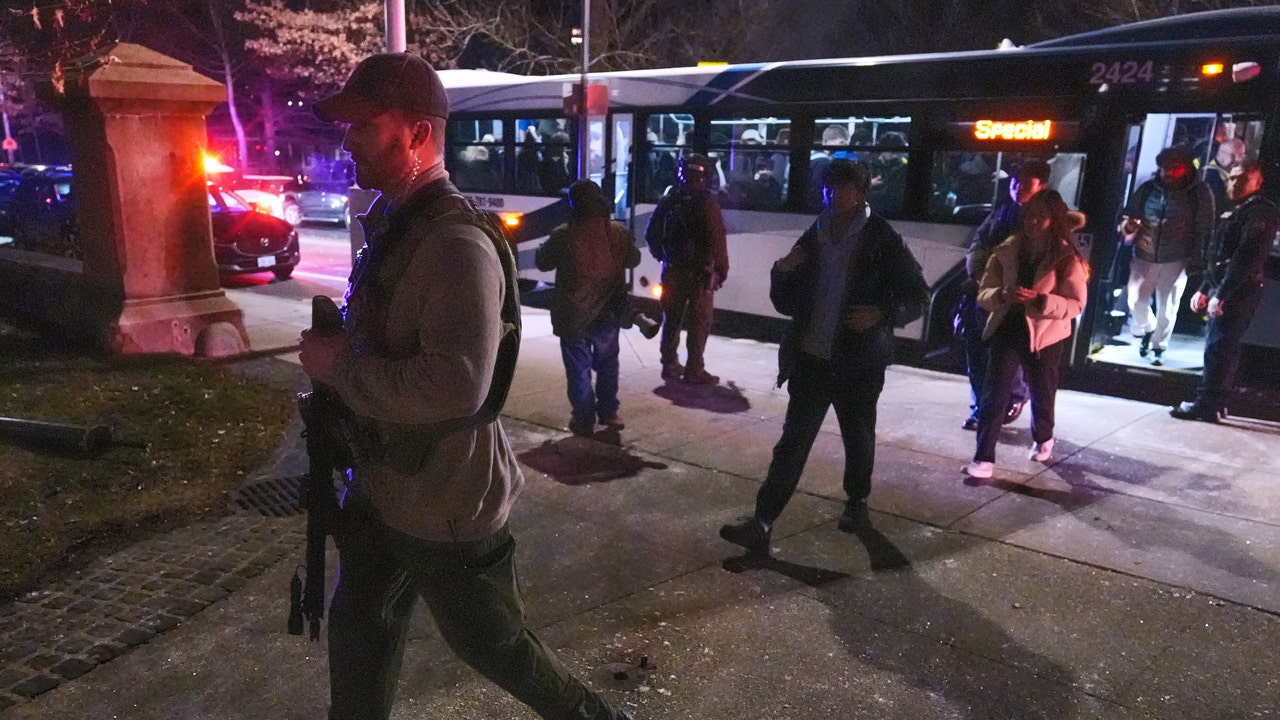
In the wake of a tragic shooting at Brown University that left two people dead and nine wounded, law enforcement agencies are engaged in a meticulous and challenging search for the suspect who opened fire at the Barus & Holley engineering building. The unidentified male gunman, reportedly dressed in black, was last seen leaving the building around 4 p.m., triggering a massive response from local police departments, the FBI, and the Bureau of Alcohol, Tobacco, Firearms and Explosives (ATF). As the community anxiously awaits resolution, the operation highlights the intricate balance police must maintain between urgency and thoroughness in crisis situations.
Retired FBI Supervisory Special Agent Jason Pack, drawing from his 21 years of experience, emphasizes a critical reality that often goes unrecognized during such emergencies: the fluid nature of information. “Facts in situations like this often change, sometimes rapidly,” Pack explains. “Early information comes from multiple sources, often under stress, and law enforcement has to verify each piece before acting on it or releasing it publicly.” This verification process is essential but can appear frustratingly slow to those outside the operation. The public, understandably anxious for quick answers and resolution, may not appreciate that acting on unverified information could lead to dangerous mistakes or compromise the investigation. Officers must sort through conflicting accounts, distinguish between actual sightings and fear-induced misperceptions, and carefully build a reliable picture of events before moving forward.
The building clearance process currently underway at Brown University represents what Pack describes as “some of the most difficult work in policing.” Officers must methodically search every potential hiding place—”every hallway, every stairwell, every classroom and office”—treating each space as potentially dangerous until proven otherwise. This painstaking work often happens under challenging conditions: limited lighting, restricted communication, and the constant pressure of knowing lives may be at stake. The officers conducting these searches face the additional challenge of encountering frightened people who may be hiding, unable to respond clearly, or even mistaken for the threat. Each encounter requires split-second judgment calls while maintaining both tactical readiness and compassionate response to traumatized individuals.
The methodical nature of this response reflects a careful prioritization of safety over speed. “This requires discipline and restraint, not speed,” Pack notes, explaining why such operations often extend for hours or even days—in this case, potentially into Sunday. For those watching from outside, the pace might seem frustratingly slow, especially in our era of instant information. However, this deliberate approach serves a critical purpose: it ensures that nothing is missed and that no additional lives are put at risk through hasty actions. Law enforcement officials must “balance two responsibilities at once—moving fast enough to protect lives but slow enough to make sure nothing is missed.” This tension between urgency and thoroughness defines the entire response operation.
The communication challenges surrounding active shooter situations compound the complexity of the response. Information released to the public often evolves as the investigation progresses, leading to what might seem like inconsistencies or retractions. Pack explains that this is a natural consequence of the verification process: initial reports are preliminary and subject to change as more facts become available. For instance, early descriptions of the suspect, the number of victims, or the timeline of events may shift as witnesses are interviewed and evidence is examined. These adjustments don’t necessarily indicate confusion or incompetence but rather reflect the professional commitment to accuracy over speculation. The multi-agency nature of the response—with local police, FBI, and ATF all involved—further necessitates careful coordination of information to ensure that all communications are consistent and accurate.
Ultimately, the law enforcement response to the Brown University shooting embodies what Pack describes as a goal that is “simple but not easy”: to ensure every space is secure, every person is accounted for, and the threat is fully resolved before returning to normal operations. This comprehensive approach prioritizes thoroughness over expediency, recognizing that a rushed resolution could lead to missed evidence, overlooked dangers, or compromised investigations. As the search continues and the community holds its breath, the dedicated professionals working the case remain committed to this careful balance—protecting lives while methodically pursuing justice. Their work, though often invisible in its details and complexity, represents the frontline defense against chaos in our most vulnerable moments.