





In the sleepy coastal town of Santa Maria, California, on a crisp September evening in 1988, 30-year-old Ofelia Sandoval’s life was tragically snuffed out. A dedicated realtor with a warm smile and a passion for helping families find their dream homes, Ofelia had built a vibrant life filled with love and community. But that night, as she returned to her modest apartment after a long day, she crossed paths with a stranger who would forever shatter her world. She was found strangled to death, her body discovered in her room with signs of a brutal rape. Authorities at the time launched what they called an extensive investigation— interviews with neighbors, combing through her daily routine, forensic work at the scene—but despite their best efforts, leads evaporated like mist on the ocean. No suspects emerged, and the case went cold within a year, leaving Ofelia’s grieving family in a limbo of unanswered questions. Her three young children, Marcelino, Maricela, and Alex, grew up haunted by the loss of their mother, carrying the weight of a mystery that refused to fade. The sun kept rising over Santa Maria, but justice seemed as distant as the horizon.
Nearly four decades slipped by, a relentless march of time that tested the resolve of those who refused to forget. Ofelia’s murder became one of those unsolved puzzles that detectives revisit when DNA technology evolves, offering new glimpses into old horrors. In the early 2000s, as genetic databases expanded and forensic methods sharpened, investigators revisited the evidence from Sandia’s room—a towel and shirt stained with DNA that didn’t match anyone then known. It was like a ghost in the machine, a silent witness waiting for the right tools. Despite this breakthrough, no matches turned up in national databases, and the trail grew colder still. But optimism flickered like a far-off lighthouse. By now, Ofelia’s children had become adults themselves, inheriting their mother’s resilience. Marcelino pursued a career in education, Maricela in community outreach, and Alex in something creative—each channeling their pain into purpose, though whispers of the unsolved case echoed through family gatherings. Meanwhile, the world changed: smartphones buzzed, social media connected lives, and cold cases like Ofelia’s weren’t just statistics anymore; they were stories begging for resolution.
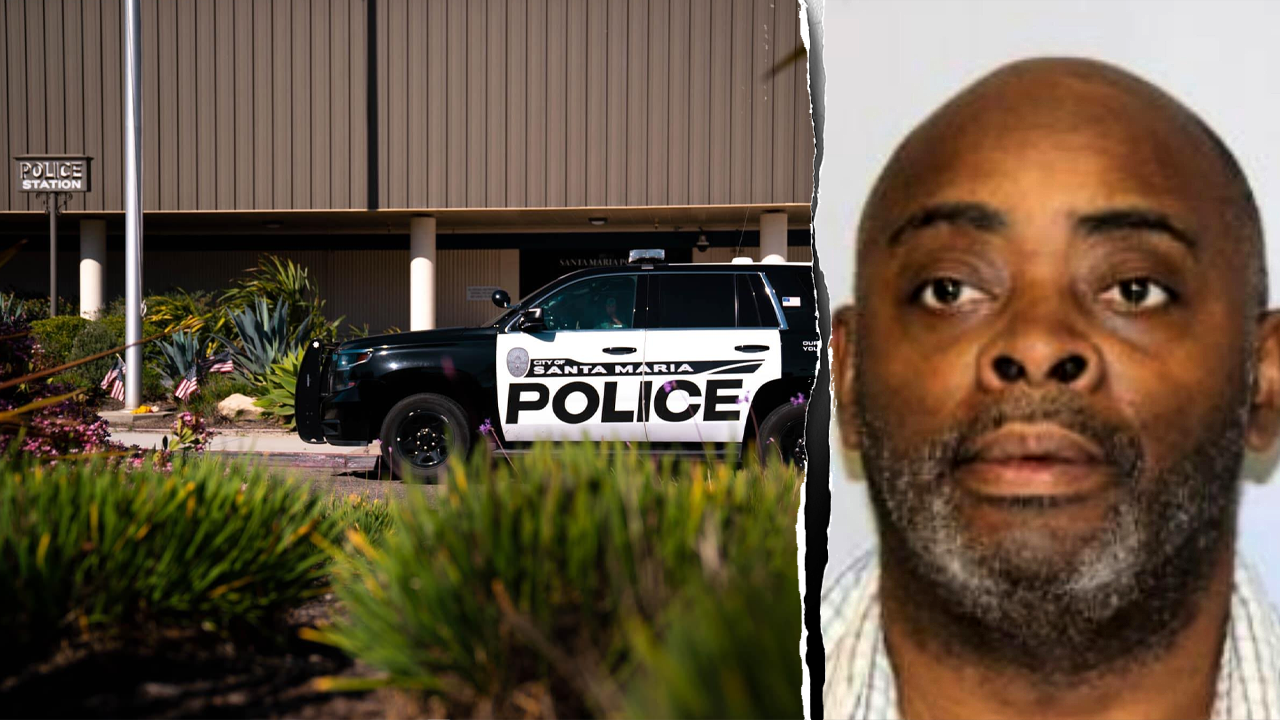
The turning point arrived when investigators partnered with the FBI, bringing a well of resources and expertise to the table. The DNA profile from the 1980s evidence became the key, unmatched but undeniable. Emboldened, law enforcement turned their gaze to potential suspects, sifting through old leads and new intelligence. It led them to Aloysius Winthrop James, a 59-year-old man living a seemingly ordinary life in Georgia. Born and raised, perhaps, in a background shrouded in its own secrets—his father was a pastor, a man of the cloth whose teachings may have instilled a facade of piety. James had a history of moving frequently, evading scrutiny, his path crossing law enforcement on minor infractions but never hinting at the depth of violence capable in him. To confirm their suspicions without alerting him, the FBI assisted in collecting a covert DNA sample—a swab from a discarded glove, perhaps, or something left unwittingly in public. It was a meticulous operation, blending science and stealth. When the lab results came back, the match was irrefutable: the DNA from James’s sample aligned perfectly with the profile from Ofelia’s crime scene. It was as if the sands of time had revealed a hidden footprint, leading directly to the door of a man who’d slipped away for nearly 40 years.
James’s arrest in April 2024 sent shockwaves, pulling him from his Georgia life into the glare of California justice. He was extradited to Santa Barbara County, where the weight of history descended. Facing a jury in February 2024 for first-degree murder with the special circumstance of rape, the trial unfolded like a courtroom drama. Prosecutors painted a vivid picture: the evidence of sexual assault, the strangulation that ended Ofelia’s life, and the DNA that screamed his guilt. James denied everything—he claimed no contact with Ofelia, perhaps to protect his reputation tied to his father’s religious name. But as the evidence mounted, the facade crumbled. His attorney argued fiercely that DNA alone didn’t prove murder, questioning chain of custody and the vagaries of genetic testing over decades. Yet, the jury saw through it, convicting him unanimously. It was a moment of reckoning, not just for the law, but for the system that had advanced enough to catch up with predators who thought they’d outrun time. James sat stoic, but one could imagine the turmoil beneath—a man whose secrets had finally caught up, forcing him to confront the darkness he’d inflicted.
In court, as the sentencing phase approached, James’s defenses wavered further. His attorney reiterated that the DNA evidence was circumstantial, hinting at possible contamination or mistaken identity. But prosecutors countered with the totality: the glove, the towel, the shirt—all threads weaving an inescapable net. James even admitted to having had sex with Ofelia on the stand, twisting the truth to claim he’d lied initially out of shame, tied to his father’s pastoral legacy. It’s a human side of the story, that mix of denial, regret, and calculated spins—perhaps genuine fear or just a last-ditch deflection. Judge after judge, the legal machinery upheld the charge, leading to the maximum sentence: life without parole, the bars of a cell granting no possibility of escape. “Justice was delivered after nearly four decades,” declared the FBI in a statement, their role in the covert sample collection hailed as a game-changer. James, now 59 and aging into his twilight, would spend that time behind bars, a stark reminder that no crime is truly forgotten, especially when technology and tenacity collide.
The ripples of this resolution extend far beyond one man’s imprisonment, touching on the raw human experience of loss and endurance. The FBI cautiously noted that investigators believe James may have linked to other crimes—threats, sexual assaults, domestic abuse—urging anyone with information to come forward to the Santa Maria Police Department. It’s a chilling possibility that one predator’s capture could unravel a web of unreported horrors, giving voice to silent survivors strewn across decades. Santa Barbara County District Attorney John Savrnoch spoke poignantly of the nearly 38-year journey, thanking the team and marking it as “the beginning of some sense of closure” for Ofelia’s four generations of family. In court, her children—now strong pillars of their own families—shared memories of their mother’s laughter, her unwavering love, and the void that defined their lives after her death. Their bravery in supporting the case, generation after generation, turned tragedy into empowerment. Ofelia’s legacy lives on, not in justice served, but in the lessons: the importance of family bonds, the power of persistence, and the hope that even long-buried secrets can be unearthed to heal the wounded heart of a community. As for James, his life sentence is a testament to the fact that time, in the end, is an ally to the truth, but only when humans refuse to let it slip away.
In today’s world, where audio stories bridge the gap between headlines and hearts, platforms like Fox News allow listeners to immerse themselves in these narratives—imagine hearing the DA’s voice echo the echoes of justice, or the family’s testimonials woven into a podcast that humanizes cold facts. It’s a new era, where clicking play might be the gateway to understanding that behind every statistic is a person, a story, a life forever altered. For Ofelia Sandoval, though she’s gone, her memory persists as a call to vigilance, reminding us that evil may lurk in shadows, but so too does the relentless light of truth-seeking. Her children’s journey—from grief-stricken kids to advocates for closure—illustrates the indomitable human spirit, turning pain into purpose. And for Aloysius, his final chapter behind bars serves as a stark warning that actions have consequences, that DNA doesn’t forget, and that society, with tools like forensic advancements and interagency cooperation, can catch up with the past. It’s not just about one murder; it’s about restoring faith in justice, mending the fabric of families torn apart, and ensuring that voices long silenced—like Ofelia’s—finally get to be heard. In the grand tapestry of human stories, hers is one of resilience, proving that even in death, love and determination can triumph over darkness, offering hope to those still searching for their own answers in the cold cases of life.