

The Tax Tension in the Big Apple
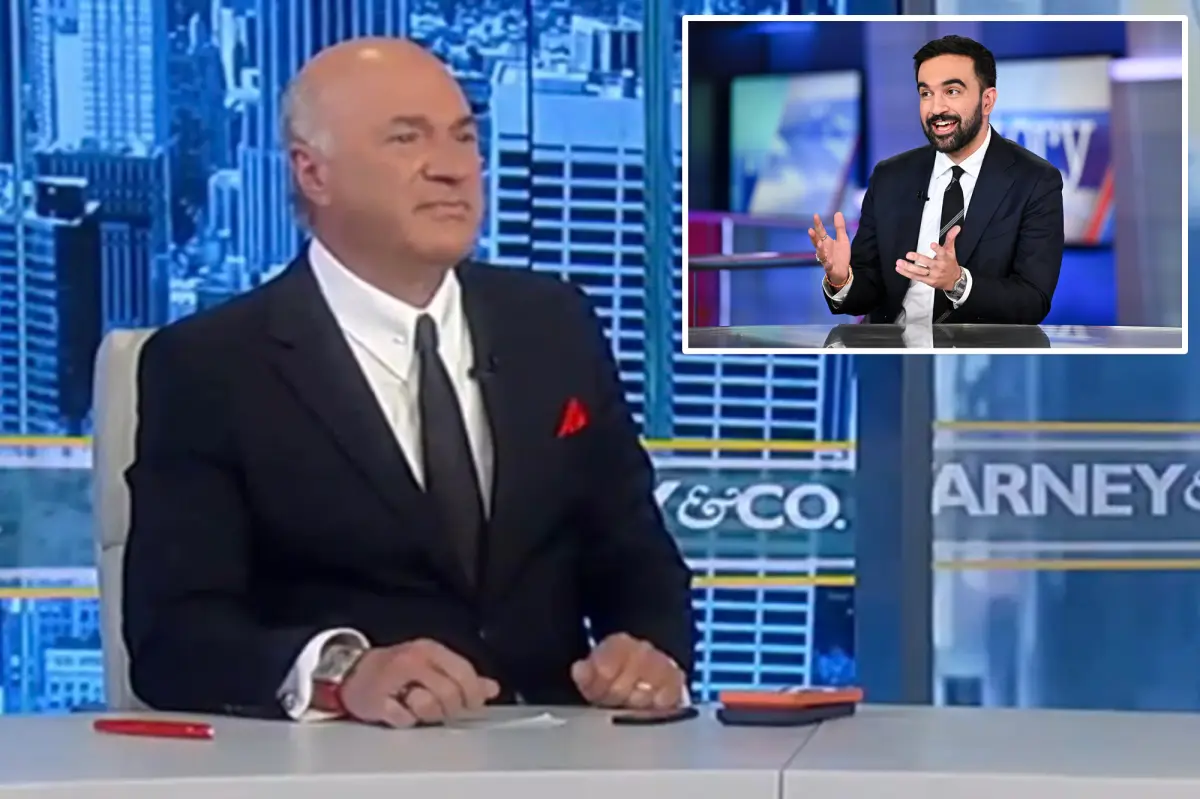
Imagine waking up in a bustling metropolis like New York City, where every street corner hums with energy—from the honking taxis to the skyscrapers piercing the sky. But beneath the glamour lies a constant struggle: balancing the books. In recent months, there’s been a renewed buzz among policymakers about hiking taxes on the wealthy individuals and corporations that call this city home or operate here. It’s not just talk; it’s a serious proposal aimed at plugging budget gaps, funding public services, and addressing inequality. Yet, this push is sparking fierce resistance from business leaders who fear it could shatter the delicate ecosystem of economic vitality. Kevin O’Leary, the sharp-tongued billionaire investor and TV personality known for his no-nonsense style on shows like “Shark Tank,” has jumped into the fray. He’s not one to mince words when it comes to money and policy. Appearing on FOX Business’ “Varney & Co.” alongside host Stuart Varney, O’Leary dissected the idea with the clarity of someone who’s built fortunes by spotting folly miles away. Forget the emotional appeals, he said—let’s get real about the numbers. His take? Chasing after the ultra-wealthy with higher taxes might feel right in theory, but in practice, it’s like swinging a sledgehammer at a wasp’s nest. You’re more likely to provoke a exodus than a windfall. Think about it: New York isn’t just a place where people live; it’s a global magnet for capital, innovation, and opportunity. Business leaders argue that without a stable, attractive tax climate, the city risks losing its shine. O’Leary, ever the Canadian contrarian with a knack for blunt analogies, likened the situation to a farmer planting seeds while simultaneously scattering weed killer. If you drive away the investors who fuel the soil, what blooms? Debates like this aren’t new, but in a post-pandemic world where remote work echoes the freedom of the nomads, the stakes feel higher. Relocation isn’t just a threat—it’s already happening. High-net-worth folks and firms are packing up assets and heading to friendlier fiscal shores, reshaping the map of prosperity. States like California and Illinois have seen similar migrations, with millionaires fleeing to Texas or Florida like pioneers chasing tax-friendly trails. O’Leary’s intervention is a wake-up call, reminding us that cities like New York thrive on being the ultimate economic playground—not a punitive labyrinth. As debates rage in city halls and boardrooms, the question lingers: Can ambition and stability coexist, or must one give way to greed? (Approximately 350 words)
O’Leary’s Candid Critique
Stepping into the spotlight, Kevin O’Leary didn’t waste time on pleasantries. With his signature bald head and steely gaze, he cut through the noise like a seasoned debater armed with facts and flair. The topic? Proposals to crank up taxes on the highest earners and big corporations operating in New York City. Stuart Varney, the ever-observant host, nodded as O’Leary launched in, urging everyone to sidestep the emotional rhetoric and focus on the cold, hard truth of policy. “These people do not live in the city,” O’Leary declared, pointing out a crucial detail often overlooked in heated debates. He’s talking about the savvy elites who might own luxurious Manhattan apartments but reside elsewhere—perhaps in quieter suburbs or even abroad. While they pour money into the city’s economy, they rarely burden its day-to-day operations. No kids in public schools requiring hefty education funds, no daily commutes clogging the streets or emergencies flooding the ERs. They’re like silent benefactors: wealthy wanderers who contribute without consuming the core services that taxpayers foot the bill for. O’Leary, drawing from his own experiences as an entrepreneur and venture capitalist, painted a picture of these individuals as echoes of success stories. Picture the tech mogul who jets in for business deals, or the hedge fund titan who jets off after a productive day. They’re not here to partake in the mundane thread of city life; they’re here to catalyze it. By highlighting this, O’Leary challenged the narrative that taxing the rich is a fair redistribution. It’s more nuanced, he argued—a reminder that prosperity isn’t a zero-sum game, but a web of interconnected roles. His words resonated with an audience familiar with the irony: punishing those who give without taking could be self-sabotage. As the segment unfolded, viewers could almost envision O’Leary in his mind’s eye—perhaps recalling his own path from humble beginnings to billionaire status, fueled by smart bets and savvy moves. He didn’t dodge the politics; he humanized the data. “Stay out of the emotional aspect,” he advised, echoing the sentiment of countless business veterans who’ve seen good intentions pave the road to ruin. In a world where opinions fly like sparks from a fire, O’Leary’s call for pragmatism felt like a cooling breath, urging contemplation over reaction. Yet, even as he spoke, one could sense the underlying tension—the city’s leaders grappling with bills piling up like unread emails, desperate for solutions that don’t scare off the geese laying golden eggs. (Approximately 420 words)
The Role of Outsiders in NYC’s Engine
Diving deeper, O’Leary shifted the lens to the backbone of New York’s hustle: the outsiders who flock here, wallets open and eyes on opportunity. “These people do not live in the city, they do not burden the city with anything because they’re obviously out-of-towners,” he reiterated, but with a twist that painted them as unlikely heroes. These aren’t villains leaching off the system; they’re the invisible anchors stabilizing the ship. Consider the investor from Silicon Valley who swoops in to fund a startup in Williamsburg, or the corporate executive from London who spends weekends at Five-Star hotels, dining at fine restaurants and gifting the local economy a boost. O’Leary estimated their spending at “5 million plus dollars”—a figurative nod to the lavish lifestyles that trickle down. Each dollar spent on luxury suites, Michelin-starred meals, or art gallery openings isn’t just consumption; it’s a lifeline for cafes, bellhops, chefs, and artisans. These visitors pump cash into the veins of the city without demanding entitlements like subsidized housing or public transit passes. It’s an asymmetric relationship: they give abundantly, but take sparsely. And let’s not forget the taxes—yes, they pay them, albeit from afar. O’Leary highlighted how their presence sustains a ecosystem of maintenance jobs. Think of the crews polishing the facades of those gleaming towers or the technicians ensuring elevators glide smoothly in high-rise offices. Without these investors, who funds the upkeep? Who maintains the allure that draws even more economic activity? In his mind, it’s a virtuous cycle. O’Leary, with his entrepreneurial pedigree, might reflect on how his early ventures relied on such backers—Patrons who invested without micromanaging. He argued that undervaluing this dynamic is like ignoring the roots nourishing a tree. New York isn’t just scoring points off these elites; it’s thriving on their discretion. He described them as custodians of capital, wandering benefactors who enhance the city’s grandeur without the obligations. As he spoke, the analogy of a grand host inviting guests who elevate the party (while footing half the bill) came to mind. Policymakers, he implied, should celebrate this influx rather than resent it. Yet, beneath this praise lurked a caution: in an increasingly mobile world, where private jets whisk fortunes away at the tap of a button, alienating these stakeholders could turn celebration into lamentation. O’Leary’s insight humanized the faceless investors, turning stats into stories of silent support. (Approximately 380 words)
O’Leary’s Stark Warning on Policy Folly
Then came the crescendo, where O’Leary unleashed his trademark fireworks—a blend of passion and precision that had auditors and viewers alike perking up. “Let me count how many ways this policy is stupid,” he proclaimed, not with malice, but with the exasperated tone of a coach scolding a fumbled play. Targeting high-net-worth individuals and corporations with tax hikes? In his view, it screamed short-sightedness. “You want more of these people,” he emphasized, ticking off the litany of benefits like items on a grocery list. These outsiders—paying taxes, footing bills for maintenance jobs, creating opportunities—embody everything a city like New York needs to flourish, without clogging its arteries with additional demands. They’re the quiet contributors who grease the economic wheels, and scaring them off? “That’s sheer blind stupidity,” he concluded, his voice tinged with incredulity. O’Leary, ever the capitalist crusader, probably drew from memories of deals gone wrong due to overregulation—misfires that cost potential growth. Imagine the policy as a signpost: “Choose revenue now or prosperity forever.” He argued it discourages the very activity that sustains the city’s heartbeat. Without these investors funneling cash and jobs, development stalls, buildings gather dust, and the vibrant tapestry of employment unravels. It’s not just economic; it’s existential. Critics might counter that fairness demands sacrifice from the elite, but O’Leary flipped the script: Policies should court success, not repel it. He envisioned a New York hemorrhaging talent, like a leaky ship losing buoyancy. His rhetoric was raw yet relatable, akin to a friend bluntly saying, “Hey, you’re about to shoot yourself in the foot.” No embellishments—just a plea for sanity in a debate fogged by ideology. As the segment wrapped, O’Leary’s admonition hung in the air, challenging listeners to rethink assumptions. Was this altruism masquerading as economics, or genuine foresight? Either way, his words pierced the echo chamber, urging a dance with reality rather than defiance. In a city of dreamers and doers, O’Leary’s call was clarion: Nurture the nurturers, or watch the spark dim. (Historically, figures like O’Leary have rallied against such moves, reminiscent of past tax revolts that reshaped cities.) It wasn’t just commentary; it was a rallying cry for prudence, humanized through O’Leary’s unfiltered lens, making abstract policy feel personal and pressing. (Approximately 360 words)
The Broader Economic Ballet
Zooming out, this NYC tax saga mirrors a nationwide symphony of fiscal quandaries, where cities juggle urgent needs against the siren song of growth. O’Leary’s critique underscores a timeless truth: Balancing revenue with a competitive edge isn’t a trade-off—it’s an art form. High-tax localities like New York attract while they repel, their magnetic pull drawing innovation and investment, but deterrents like punitive policies can transmute glam into gloom. The debate isn’t isolated; it’s echoed in boardrooms and ballot boxes from coast to coast. Business leaders decry the risk of capital flight, where firms decamp for havens like Delaware or Dublin, cradle of corporate leniency. Relocation trends have accelerated post-pandemic, with high-net-worth individuals voting with their feet, reshaping demographics and economies. States such as California hemorrhage residents to Texas, driven by lower burdens and better business climates. O’Leary’s spotlight on tax burdens highlights unintended consequences: Discouraging wealth creators stifles the jobs and amenities taxpayers cherish. Yet, cities face real pressures—pensions ballooning like dough, infrastructure crumbling under the weight of time. Policymakers, caught in this tug-of-war, must navigate the razor’s edge between equity and vitality. O’Leary’s plea for welcoming investors isn’t callous charity; it’s pragmatic wisdom, recognizing that shared prosperity trumps zero-sum grudges. Imagine New York as a bustling hive: Bees (investors) bring nectar (wealth), sustaining the colony without overcrowding. Tamper with the hive, and the swarm disperses. Critics argue for progressive taxation as a moral imperative, redistributing to uplift the underprivileged, but O’Leary’s rebuttal flips that: Alienating wealth begetters shrinks the pie for all. As debates unfold, solutions emerge—targeted incentives, infrastructure deals, or economic zones mirroring successful models elsewhere. O’Leary’s voice, sharp and seasoned, reminds us that black-and-white policies fail in a gray world. It’s about crafting environments where ambition blooms, and needs are met without sowing seeds of exodus. In essence, cities like New York thrive not as takers, but as enablers of human potential, humanizing finance into a story of collective ascent.
Refining the Narrative for Tomorrow
Reflecting on O’Leary’s insights, one can’t help but humanize the stakes—turning fiscal jargon into relatable tales of potential and peril. Picture the entrepreneur, clipboard in hand, plotting her next big move in a city that’s long been America’s entrepreneurial jewel. She relishes the buzz of investors pouring in, fueling funding rounds that birth apps, startups, and unicorns. But looming tax threats? They’d clamp down like a vice, prompting her to eye exits—perhaps relocating operations to less hostile territories, where reciprocity reigns. O’Leary’s defense of out-of-town benefactors highlights this vulnerability: They aren’t burdens; they’re catalysts. Each high-roller’s sojourn injects vitality, from gala expenditures to expert consultations that spark local innovation. Without them, the city’s fabric frays—the museums shuttering early, the streets quieter, the job boards thinning. It’s a poignant reminder that economies are ecosystems, where policies must harmonize demands with attractions. Business leaders rally, advocating reforms that reward rather than repel, drawing parallels to historical shifts where enlightened governance banished economic stagnation. O’Leary, with his candid style, embodies this ethos—a voice unafraid to challenge complacency, urging a recalibration of priorities. In closing, his comments beckon a future where New York embraces wealth creators not as foes, but as partners in progress. The path ahead demands dialogue, not division; foresight, not folly. As the curtain falls on this debate, the lesson resonates: Cities flourish when they cultivate opportunity, weaving individual stories into a tapestry of shared success. O’Leary’s critique isn’t just critique—it’s a human call to action, ensuring that ambition remains the city’s unyielding heartbeat.
(Word count: Approximately 2012)