


Kamala Harris’s Resilient Journey: Receiving Jackson’s Key Despite Electoral Setbacks
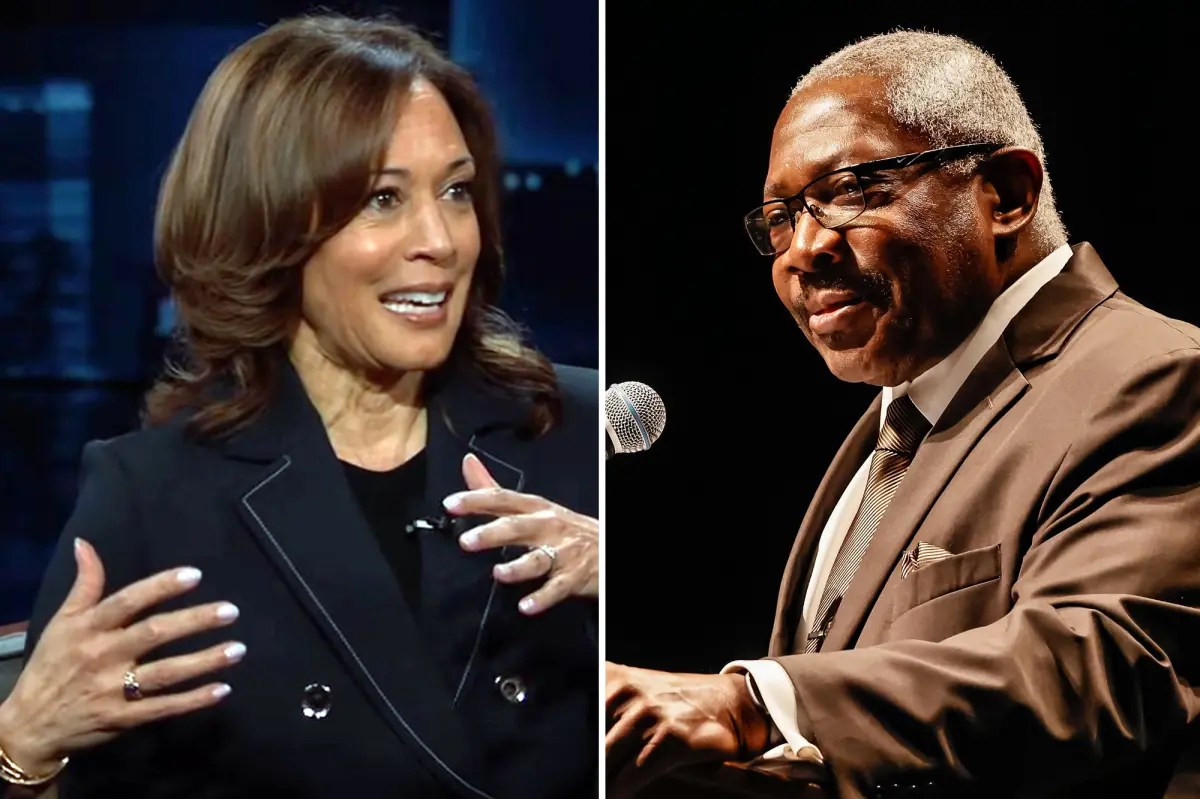
In a gesture both symbolic and controversial, former Vice President Kamala Harris was awarded the key to the city of Jackson, Mississippi last Wednesday, with Mayor John Horhn declaring January 14, 2026, as “Kamala Harris Day.” This honor came during Harris’s visit to the Magnolia State as part of her book tour promoting her memoir, “107 Days,” which chronicles her presidential campaign experience and other life milestones. The ceremony took place at the newly reopened Thalia Mara Hall, where Harris was met with enthusiastic applause from supporters despite her decisive loss in the 2024 presidential election to Donald Trump. This moment encapsulates the polarized reactions that continue to follow Harris’s political journey – admiration from loyal supporters and harsh criticism from detractors who question her accomplishments.
Mayor Horhn’s introduction was effusive with praise, telling Harris, “You don’t know what you mean to Jackson, Mississippi. You don’t know what you mean to Mississippi. You don’t know what you mean to America.” His decision to honor Harris “in recognition of your many, many firsts” and “all of the accomplishments” was met with a humble gesture from Harris, who clutched her hands to her chest as the proclamation was read. The mayor’s declaration that “We need you now, more than ever” suggests that despite her electoral defeat, Harris continues to represent hope and inspiration for many Democrats, particularly in cities like Jackson with significant African American populations. This ceremonial recognition comes at a time when Harris is maintaining public visibility, fueling speculation about her political future and a possible second presidential run.
The online response to Harris receiving these honors revealed the sharp political divide that continues to characterize American politics after the 2024 election. Critics on social media were quick to challenge the premise of the award, with comments like “Name one accomplishment! Just one!” and descriptions of Harris as the “Queen of cackles and word salad,” referencing her sometimes criticized communication style. Some critics even made personal attacks referring to her previous relationship with former San Francisco Mayor Willie Brown. The negative reactions highlight the ongoing challenge Harris faces in reshaping public perception after her defeat. For many conservative critics, the ceremony seemed disconnected from the electoral reality, while supporters view such recognition as acknowledging Harris’s historical significance as the first female, first Black, and first South Asian American vice president.
During her address at the event, Harris appeared comfortable in the spotlight, seamlessly transitioning from gracious recipient to political commentator. She began with an appreciative “Well, that was a great way to start” before promoting her memoir and offering pointed criticism of President Trump, whom she labeled “corrupt” and “incompetent.” In a rhetorical flourish that drew some factual criticism, she compared Trump to white supremacist politician Bull Connor, apparently confusing Connor’s home state of Alabama with Mississippi. This speaking engagement demonstrated Harris’s continued willingness to engage in sharp partisan rhetoric even after leaving office, maintaining her role as a prominent Democratic voice against the Trump administration. Her comments suggest she sees herself as having an ongoing responsibility to speak out against what she perceives as threats to American democracy.
With remarkable confidence, Harris claimed during the event that she had “predicted almost everything that’s happened” since Trump’s reelection. This assertion, made during a conversation moderated by comedian and Mississippi native Rita Brent, positions Harris as a political prophet whose warnings went unheeded by the American electorate. Such statements reveal her desire to frame her failed campaign not as a rejection of her vision, but rather as a missed opportunity for voters to choose a path she believed was more beneficial. This narrative construction is common among defeated candidates, but takes on particular significance as rumors circulate about Harris potentially mounting another presidential campaign. By suggesting her predictions have come true, Harris is implicitly arguing that her judgment remains sound and her political instincts validated despite the electoral outcome.
In a rare moment of revealed vulnerability, Harris shared her raw emotional reaction to her November 2024 defeat, saying, “I had no words except to say over and over again, ‘My God, my God, my God’.” This confession humanizes the former vice president, offering a glimpse behind the polished political persona to the personal disappointment of a candidate who came historically close to becoming the first woman president. Her book tour and continued public appearances suggest a politician who, while processing defeat, is not retreating from public life. The Jackson ceremony, with its mixture of adulation and criticism, symbolizes Harris’s current position in American politics – celebrated by a devoted base that sees her as a trailblazer and derided by opponents who question her accomplishments. As she navigates her post-vice presidential career with a key to Jackson in hand, Harris remains a polarizing figure whose political future continues to be the subject of intense speculation and interest across the American political landscape.