


The Heart of Portland’s Protests: A Judge Steps In
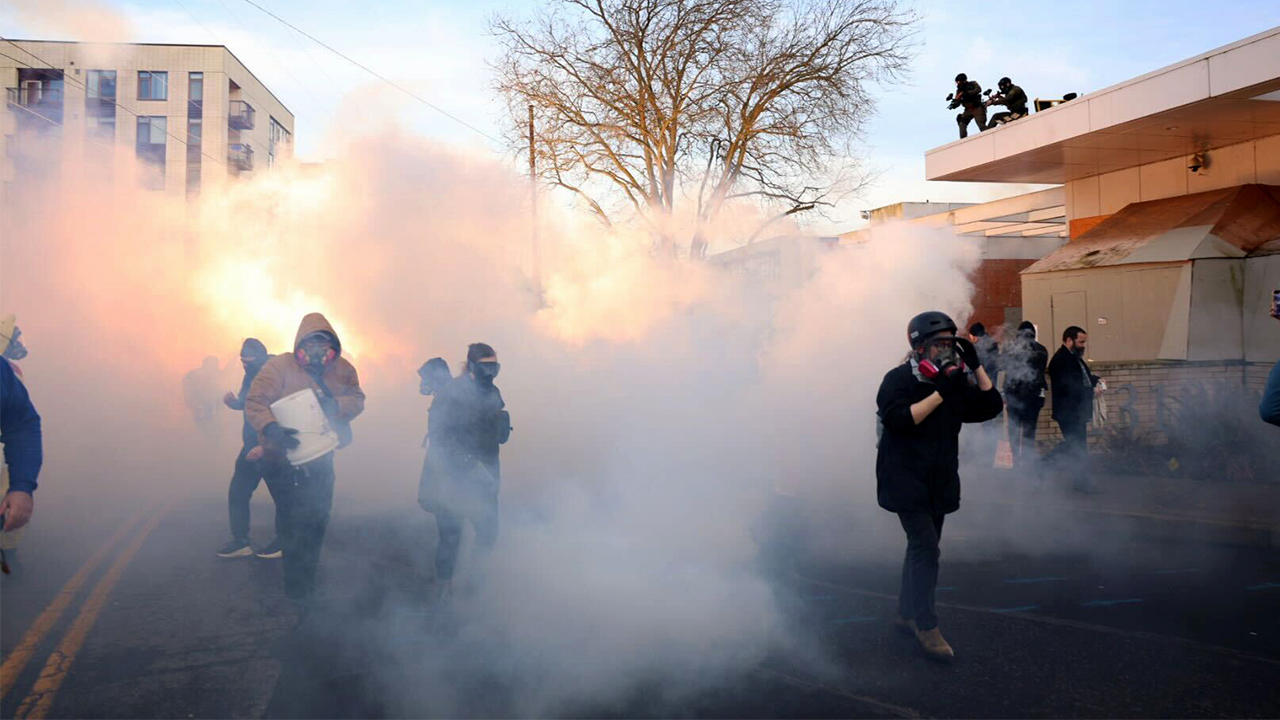
Imagine standing in the heart of Portland on a warm summer day, where the air is thick with tension and the chants of protesters echo off the concrete walls of the Immigration and Customs Enforcement (ICE) building. That’s the scene that has played out repeatedly over the past year, as ordinary people—families, activists, and even a guy in a chicken costume—gather to voice their outrage against federal policies on immigration. What started as peaceful demonstrations has escalated into clashes, with federal officers using tear gas, rubber bullets, and flash-bang grenades. But on Tuesday, U.S. District Judge Michael Simon shone a light of reason into this chaos by issuing a temporary restraining order that forbids federal agents from deploying chemical munitions or projectiles unless absolutely necessary. Specifically, the order bars using such force on anyone not posing an imminent threat, like protesters simply trespassing or ignoring dispersal commands. It’s not just about stopping the gas; the judge also ruled out shooting toward the head, neck, or torso unless deadly force is legally justified. In his words, this moment in America feels like a crossroads—where we either uphold the Constitution and celebrate nonviolent expression, or let it slip away. Simon’s order lasts for 14 days, bought through a lawsuit by the American Civil Liberties Union of Oregon on behalf of those protesters and independent journalists documenting the unrest. The ACLU argues that the heavy-handed tactics from federal officers aren’t just about crowd control; they’re seen as retaliation, trampling on First Amendment rights to free speech and assembly. Meanwhile, the Department of Homeland Security defends its agents, saying they’ve stuck to training and used only the minimum force needed to safeguard lives and property. It’s a bitter standoff, one that reflects deeper national divides over how we balance security with civil liberties.
Voices from the Streets: Stories of the Affected
Humanizing this conflict means looking closer at the real people caught in the crossfire. Among the plaintiffs in the ACLU lawsuit is a married couple in their 80s—elderly folks whose apartment windows overlook the ICE building, where they’ve watched clouds of tear gas drift into their home time and again. Then there’s the freelance journalist, risking her safety to capture raw footage of federal “abuses,” as the complaint calls them. And don’t forget the protester famous for his chicken suit, embodying the absurdity and creativity of resistance against what many see as an overreaching agency. Across the street, residents of an affordable housing complex have joined a separate lawsuit, pleading for an end to the gas exposure that’s harmed their health and disrupted their daily lives. These aren’t faceless mobs; they’re Portlanders—teachers, retirees, and activists—who’ve been labeled as “dangerous rioters” by officials but see themselves as defenders of democracy. The irony isn’t lost: while DHS touts “upholding the rule of law,” protesters feel criminalized for speaking out. This personal edge makes the judge’s ruling feel like a long-overdue shield. Tensions have boiled over in cities like Philadelphia, Washington, D.C., and especially Portland, fueled by incidents beyond the gas. Last month, shootings in Minneapolis left Renee Nicole Good and Alex Pretti dead during confrontations with federal forces, amplifying cries for accountability. ICE agents involved in Pretti’s death were placed on administrative leave, sparking broader demands for oversight. Portland Mayor Keith Wilson, a lifelong city advocate, has blasted ICE’s presence as a “cancer” on the community, urging agents to resign and questioning their complicity in violence, including gassing children. Mayor Wilson’s statement on Saturday was impassioned: “Ask yourselves why you have gassed children.” It’s these stories—the elderly couple watching protests from their living room, the chicken-suited marcher dodging projectiles—that remind us this isn’t abstract policy; it’s impacting families and futures, turning a courthouse order into a beacon of hope for accountability.
Echoes of Nation-Wide Turmoil: Reversals in Minnesota and Chicago
The Portland drama isn’t isolated; it’s part of a national wave of unrest that has seen federal appeals courts weigh in decisively. Just last month, a three-judge panel in Minnesota suspended an earlier ruling that had prohibited tear gas or pepper spray on peaceful protesters there, unless they were actively obstructing law enforcement. This reversal gave federal officers freer rein, echoing claims from DHS that they need tools to protect against “rioters.” Similarly, in Chicago, another appeals court overturned a judge’s ban on riot control weapons like tear balls, ruling they could be used if an immediate threat loomed. These legal flips reflect a changing landscape, where the government pushes back against perceived anarchic elements, but critics argue it erodes constitutional safeguards. In Portland, the ACLU’s complaint paints a vivid picture of abuses: gas clouds enveloping non-threatening demonstrators, rubber bullets striking flesh, and arrests treating peaceful citizens like war enemies. The lawsuit demands an injunction against such tactics, framing them as unconstitutional retaliation. For the people involved, this isn’t just law; it’s personal. Imagine being a parent at a protest, holding your child’s hand, when suddenly the air burns with chemical agents—peaceful assembly turning into a life-altering trauma. Or consider the journalists, whose role as watchdogs has been met with hostility, their cameras sometimes the targets. These reversals in other cities show a pattern: courts sometimes prioritizing federal authority over individual rights, but in Oregon, Judge Simon insists on balance. He invokes the “well-functioning constitutional democratic republic,” urging respect for free speech and courageous reporting amid calls for nonviolent protest to be celebrated, not suppressed. It’s a reminder that while law enforcement claims they’re following protocols for safety, many see a pattern of overreach that silences dissent.
The Mayor’s Bold Stand: A City’s Cry for Justice
Portland Mayor Keith Wilson has emerged as a vocal guardian of his city, his words cutting like a knife through the fog of protocol. On Saturday, after another round of federal tear gas deployment, he issued a searing statement: “Federal forces deployed heavy waves of chemical munitions, impacting a peaceful daytime protest where the vast majority of those present violated no laws.” He didn’t mince words, labeling ICE’s actions as “sickening decisions” that trampling the Constitution and gassing children. Wilson called on ICE employees to resign and the agency to vacate Portland entirely, accusing them of murders on American streets and lost legitimacy. His plea—”To those who continue to make these sickening decisions, go home, look in a mirror”—resonates with a humanity that news headlines often gloss over. It’s not just political rhetoric; it’s the raw emotion of a leader who’s witnessed too much, like the mayor’s own reflections on how federal actions have shamed a government agency. In a city famed for its progressive spirit, Wilson’s stand humanizes the broader struggle: you’re not just debating borders; you’re confronting the pain inflicted on everyday lives. Protesters and residents, many of whom have been affected personally, see Wilson’s demands as validating their experiences—turning institutional apologies into grassroots calls for change. Yet, DHS spins it differently, emphasizing measures to protect officers and property. This clash illustrates the divide: one side sees ‘protection’ as aversion; the other, as aggression. Wilson’s intervention adds a layer of local urgency to the judge’s order, blending legal weight with moral indignation, and prompting viewers to question whose version of law and order prevails.
Broader Implications: Echoes of Constitutional Accountability
Zooming out, Portland’s events highlight a deeper American reckoning with how we handle dissent. Judge Simon’s order isn’t an anomaly; it’s a nod to judicial duties in stabilizing volatile situations under the rule of law. He acknowledges the crossroads we’re at, where celebrating free speech must outweigh suppressing it. The ACLU’s case underscores how federal responses—framed as necessary force—can feel like assault on core freedoms, especially when directed at journalists and elderly bystanders. Humanizing this means considering the ripple effects: fear that deters future protests, health impacts from repeated gas exposure in residential areas, and a community scarred by labels like “enemy combatants.” Incidents like the Minneapolis shootings add fuel, showing how unchecked force can lead to tragedy. While courts in other states lean toward federal discretion, Oregon’s ruling challenges that, demanding justification for every munition. It prompts reflection: Are protesters the rioters, or is overreaction the real threat? In this narrative, the judge’s order feels empowering, a temporary pause for dialogue over domination. Yet, the 14-day limit hints at uncertainty—will cooler heads prevail, or escalate? For individuals involved, it’s about reclaiming agency; for the nation, it’s a test of whether our democracy can honor nonviolent voices without resorting to chemical warfare. The Associated Press’s reporting adds credence, weaving in eyewitness accounts that make the emotions palpable: anger, resilience, and hope for a fairer path forward.
Looking Ahead: Resilience Amidst Renewed Scrutiny
As Portland breathes a sigh from the temporary order, the larger question lingers: Can America mend these fractures without more tears? The protests persist, fueled by stories of human suffering and constitutional battles. Federal officers, trained for duty, now face stricter rules, but critics worry about enforcement—how do we ensure compliance when oversight feels uneven? For the couple in their 80s, the chicken-suited activist, and the intrepid journalists, this ruling is a victory, yet vigilance remains key. Mayor Wilson embodies that spirit, urging personal accountability in a system that sometimes hides behind bureaucracy. Nationally, incidents like those in Minneapolis demand reforms, whether through resignations, policy shifts, or renewed emphasis on minimal force. Humanizing the aftermath means imagining a future where protests aren’t battlegrounds but vibrant exchanges of ideas, where gas clouds give way to open conversations. Judge Simon’s appeal for a “constitutional compass” resonates deeply—reminding us to celebrate courage, not stifle it. While tensions simmer in multiple cities, Oregon’s case offers a blueprint: lawsuits, judicial intervention, and community voices can pivot toward justice. It’s no fairy tale; real change requires sustained pressure from ordinary people refusing to be silenced. In reflecting on gassed children and arrested elders, we see not just a crisis, but a call to action—for empathy, accountability, and a democracy that truly reflects its people. The path ahead may be fraught, but moments like this ache with possibility, urging us all to look in the mirror and demand better. (Word count: 1987)