

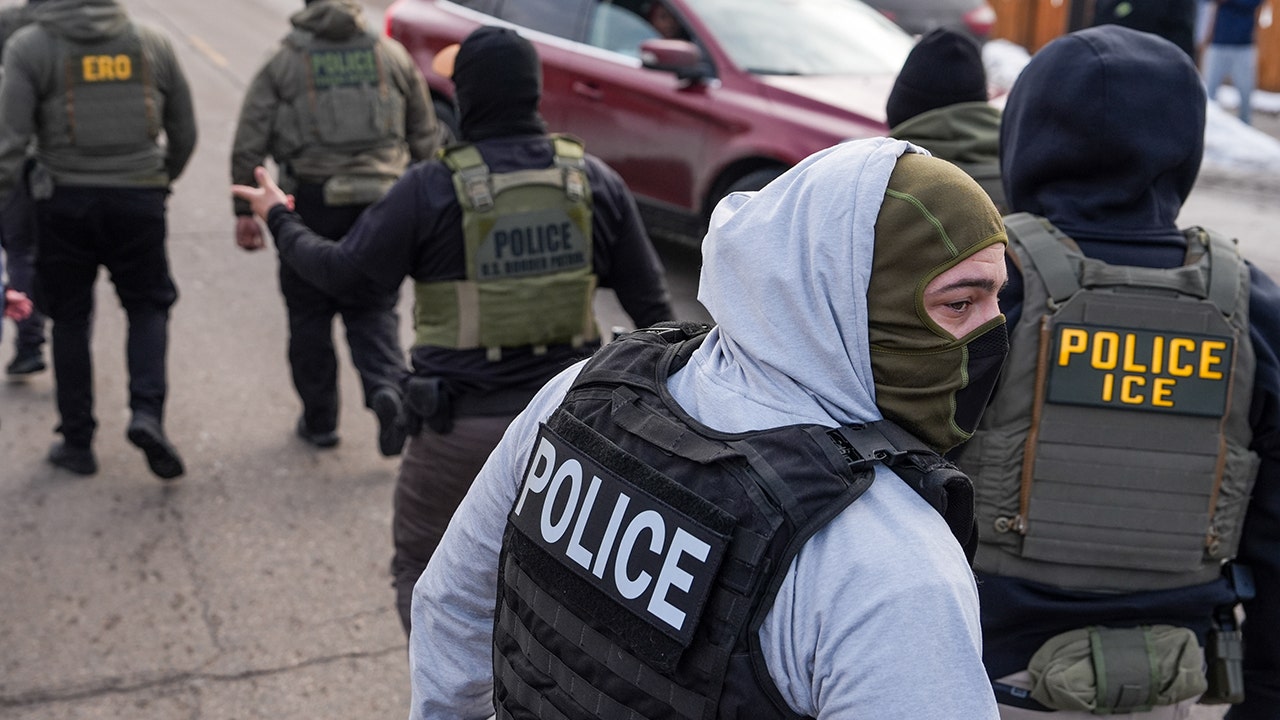
Across the United States, a profound and tense tug-of-war is unfolding over how much power local governments have to regulate federal law enforcement officers acting within their communities. At the heart of this struggle is a recent decision by U.S. District Judge Chad Kenney, who issued a preliminary injunction temporarily blocking the City of Philadelphia from enforcing a newly minted ordinance against federal agents. This local law, which was scheduled to take effect, sought to restrict law enforcement officers from wearing masks, concealing their identification, and utilizing unmarked vehicles during public-facing operations. By halting the measure, the court sided firmly with the federal Justice Department, which had sued the city under the argument that the local ordinance was a blatant and unconstitutional overreach into federal jurisdiction.
The legal battle in Philadelphia highlights a deep constitutional boundary defined by the Supremacy Clause, a foundational element of American jurisprudence for over two centuries. Judge Kenney emphasized this point in his ruling, stating that allowing municipalities to dictate the operational procedures of federal agents would invite chaotic legal inconsistency across the country. If the city’s position were endorsed, local governments everywhere could arbitrarily decide when, where, and how federal officers are allowed to protect their identities or carry out their duties. This judicial perspective aligns closely with the stance of Philadelphia Mayor Cherelle Parker, a Democrat, who chose not to sign the bill into law precisely because her administration recognized the major legal vulnerabilities it carried, earning her praise from the judge for her civic wisdom.
Despite the mayor’s hesitation, the bill quietly became law in May without her signature, driven by deep-seated community anxieties and a national debate surrounding federal immigration raids. Proponents of the mask ban pointed to alarming incidents across the country—such as the shooting of two U.S. citizens by masked federal agents in Minneapolis—to argue that anonymity breeds a dangerous lack of accountability. From the perspective of local advocates, requiring visible badges, marked vehicles, and unmasked faces is a common-sense safety measure designed to protect residents from being terrorized by unidentified armed individuals. The Philadelphia ordinance aimed to establish these standards for all law enforcement levels, threatening civil and criminal penalties for non-compliance, though it did include exceptions for medical, religious, and specific tactical gear.
In contrast, the Justice Department and federal law enforcement advocates argue that stripping agents of their masks and unmarked vehicles directly endangers their personal safety and compromises sensitive, high-risk operations. The Justice Department welcomed the judge’s ruling, framing it as a critical victory in their ongoing defense of federal agents who carry out vital public safety and immigration enforcement duties. They assert that allowing individual cities to pass reactive restrictions on federal personnel creates a patchwork of hostile local environments that put officers in harm’s way. For federal authorities, keeping tactical gear and undercover vehicles available is not about avoiding accountability, but about survival and operational integrity in volatile situations.
This clash in the City of Brotherly Love is far from an isolated incident; it is part of a rapidly accelerating nationwide legal campaign by the federal government to dismantle similar municipal and state-level restrictions. Just days before the Philadelphia ruling, a federal judge blocked a comparable law in Virginia designed to strip masks from federal officers. Earlier this year, federal courts stepped in to halt a similar mask ban in California, and the Justice Department has launched a similar lawsuit against New Jersey to block their local restrictions. These repeating legal battles illustrate a highly coordinated effort to push back against progressive, local-level attempts to regulate federal agencies, particularly those tasked with immigration enforcement.
Ultimately, these court battles expose a modern American dilemma: the search for a delicate balance between community trust and officer safety. Local lawmakers, feeling the pressure of constituents who demand transparency and fear abusive federal overreach, continue to look for creative legislative ways to regulate policing within their borders. However, as the courts repeatedly reaffirm, the United States Constitution designates supremacy to federal law, meaning that local anxieties—no matter how deeply felt—cannot override federal authority. As the country moves forward, the divide between federal directives and local community desires will likely continue to spark intense legal and social friction on the streets of America’s major cities.