



The Unexpected Turn of Events
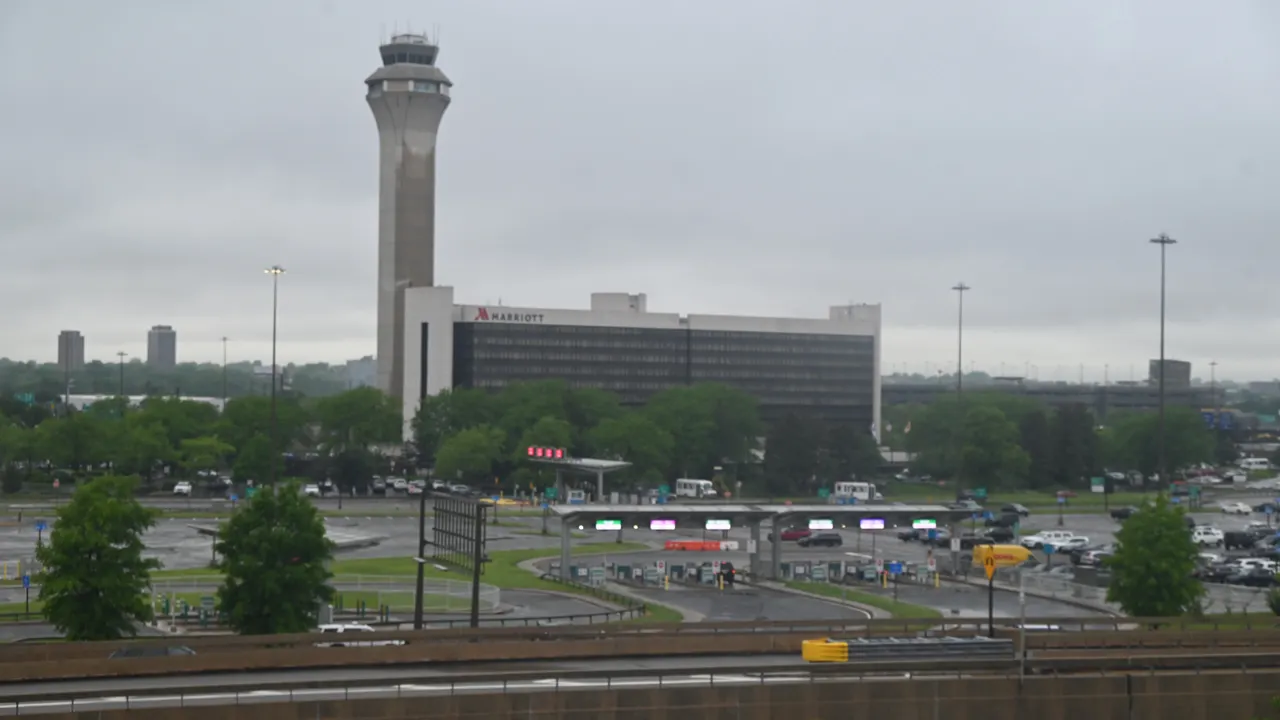
It was a crisp Wednesday evening in Newark, New Jersey, where the bustling energy of Newark Liberty International Airport masked the routine anxieties of travelers heading out of the city. Families with overstuffed suitcases, business professionals clutching laptops, and vacationers dreaming of sunny escapes all converged at the gates. Among them was JetBlue flight 543, scheduled to depart for West Palm Beach, a Florida paradise of palm-lined beaches and warm breezes. The flight, like so many others, promised a straightforward journey—a short hop turning into a respite from the winter chill. Passengers boarded with their usual mix of anticipation and trepidation, settling into seats that had borne countless stories of trips to come and gone. The crew, seasoned professionals in their blue uniforms, smiled reassuringly as they checked seatbelts and shared announcements about the upcoming flight. For many on board, it was just another commute or getaway, unaware that this particular trip would veer into a tale of mechanical drama and quick-thinking heroism. As the plane taxied down the runway, the hum of the engines felt familiar, a comforting prelude to takeoff. Little did they know, beneath that routine was a lurking problem that would soon demand everyone’s attention and resilience.
Liftoff and the First Alarm
At precisely 5:43 p.m., the JetBlue A320 lifted off from runway 22L, its nose tilting upward into the twilight sky over New Jersey. The passengers, strapped in and staring out small windows, watched the airport lights fade as the aircraft climbed. Conversations buzzed about weekend plans in Florida, the allure of Disney World or a quiet beach day, while others scrolled through phones, oblivious to the unfolding drama. But within moments of leaving the ground, the cockpit sprang to life with urgency. Alarms blared, signaling trouble—engine failure was suspected, compounded by reports of smoke wafting into the cabin from the cockpit. The pilots, trained for such emergencies, exchanged curt commands, their voices calm yet firm over the intercom. “Ladies and gentlemen, we’re experiencing some technical difficulties,” the captain announced, his words cutting through the cabin’s murmurs. Hearts raced as thoughts turned to worst-case scenarios; was this a replay of those harrowing news stories about mid-air emergencies? Instinctively, people gripped armrests tighter, reassuring loved ones nearby with whispered assurances. The plane, now halfway through its brief ascent, began a controlled descent, turning back toward the airport that had just released them. For the 150 souls aboard, the excitement of departure morphed into a palpable tension, a reminder of how fragile human innovation can feel when it falters.
A Safe Return and the Dash for Safety
Descending rapidly but steadily, the aircraft reunited with solid ground in what felt like mere minutes—emergency protocols swinging into action with precision. The pilots executed a textbook landing, the tires screeching against the tarmac as the plane slowed to a halt on the taxiway. Relief washed over passengers when the captain confirmed over the speaker, “We’ve landed safely, but please remain seated as we prepare for evacuation.” Outside, airport ground crews and emergency teams rushed forward, their vehicles flanking the aircraft in a coordinated ballet of response. Doors opened, inflatable slides deployed, and passengers—some wide-eyed with adrenaline, others clutching belongings—shuffled down the chutes onto the ground. No one was hurt; it was a quiet miracle in an industry known for its high-stakes risks. The scene on the tarmac was chaotic yet orderly: parents shielding children as they descended, seniors being assisted by flight attendants, and travelers exchanging looks of shared experience. Smoke from earlier reports had dissipated, but the air still carried a faint acrid tang, a lingering ghost of the incident. For many, it was their first brush with aviation peril, turning a bland flight into a personal anecdote they’d recount for years. The ground crew, meanwhile, surrounded the plane, assessing the damaged engine while officials from the Port Authority coordinated the next steps, proving that behind the mayhem lay a network of experts dedicated to safety.
Emotions in the Aftermath
As passengers spilled onto the Newark airport apron, emotions ran the gamut—from exhilaration at being safe to frustration at the disruption. Families huddled together, kids laughing nervously about their “adventure slide,” while anxious adults checked flights and paced, phones in hand to alert worried relatives. One woman, a mother of two, shared her ordeal with a fellow traveler: “We were just taking off, and suddenly it’s like the world tilted. I thought we’d crash.” Her companion nodded, recalling gripping his seat as if his life depended on it. Stories proliferated—couples who had planned romantic getaways now faced rerouting, business trips delayed, and vacations postponed. Yet, amidst the complaints, there was gratitude. Passengers praised the crew’s poise, the pilots’ skill, and the airport’s swift response, elements that prevented what could have been far worse. Human resilience shone through; some even bonded over the shared scare, exchanging numbers for potential future flights or simply commiserating over spilled coffee from jostled trays. For others, it was a sobering reminder of life’s unpredictability, prompting reflections on priorities beyond the rush of daily routines. No injuries meant no tragedies, just a collective sigh of relief that underscored the delicate balance between technology’s marvels and its vulnerabilities. In that moment on the ground, amidst the flashing lights and uniforms, people from all walks—immigrants, tourists, locals—connected in a momentary community forged by ordeal.
Restoring Order at the Airport
With the passengers evacuated and accounted for, the focus shifted to the crippled aircraft blocking the taxiway. The Port Authority wasted no time, declaring flight operations temporarily suspended while maintenance crews towed away the JetBlue plane, its engine—likely the culprit with its failure and smoking incident—undergoing immediate inspection. Mechanics swarmed like diligent mechanics in a pit stop, diagnosing issues that might have stemmed from a faulty component or unforeseen wear. During this pause, not a single new takeoff was authorized, a precautionary measure known as a ground stop to ensure airspace safety. Air traffic controllers, peering over their radars, redirected planes inbound or outbound, causing ripples of delays across schedules. Travelers waiting inside the terminal watched boards flicker with updates, some muttering about recurring Newark hassles—a hub notorious for weather woes and now this mechanical mishap. But by 7 p.m., roughly an hour after the incident, the airport hummed back to life: runways reopened, jets roar resumed, and flights relaunched. Efficiency kicked in; announcements guided passengers to alternative connections via other airlines or rerouted JetBlue paths. It was a testament to the intricate machinery of modern aviation, where emergencies, though rare, are met with practiced efficiency to minimize impact on travelers’ lives. Airlines like JetBlue, dependent on trust, vowed follow-up with affected passengers, offering compensations or reassurances to mitigate the lingering inconvenience.
Lessons from the Skies and Broader Reflections
In the days following the JetBlue flight 543 incident, conversations around water coolers and online forums buzzed with analysis and advice, often leading to that ubiquitous news link about navigating airport disruptions—tips like packing snacks, tracking apps, or having flexible itineraries to avoid being “stranded.” Experts weighed in: aerodynamic engineers discussed potential causes, from fuel issues to manufacturing defects in engines; aviation psychologists highlighted the importance of crew training for crisis communication, which prevented panic on board. For the passengers, it became more than a scare—it was a catalyst for gratitude, prompting some to cherish loved ones tighter or advocate for stronger regulations in an industry where safety is paramount. Newark’s episode, while minor in the grand scheme, mirrored larger narratives of resilience in travel. Amid an era of increasing air traffic and complex machinery, incidents like this reinforce how protocols, technology, and human elements intertwine to protect lives. Travelers shared their stories widely, turning a routine flight into a viral tale on platforms like Twitter and Reddit, where JetBlue’s quick response earned praise. Fox News even spotlighted it as a cautionary note, with embeds allowing listeners to replay reports at home. Ultimately, it served as a gentle reminder that while air travel has democratized borders and brought the world closer, it’s laced with risks that demand vigilance. Yet, for those on flight 543, the return journey was a story of triumph—a flight that didn’t reach its destination became a profound homecoming, leaving passengers not just unharmed, but wiser in their wanderlust. In humanizing this event, we see not cold statistics, but lives touched, fears confronted, and an indomitable spirit that soars beyond the engines. Perhaps that’s the true power of such moments: to remind us that in the face of mechanical failure, the human element endures, turning potential chaos into contented recollections of safety regained.