






Iran’s Geographic Gambit: How the Strait of Hormuz Reshapes Middle East Power Dynamics
In the wake of escalating tensions between the United States and Iran, a peculiar irony has emerged: one of Washington’s top priorities in this protracted conflict is simply reopening the Strait of Hormuz. Of course, the waterway was fully operational before hostilities erupted, underscoring the profound strategic leverage Iran holds through its territorial geography. This isn’t mere hyperbole; it’s a stark demonstration of how physical landscapes can tip the scales in international rivalries, proving that deterrence extends far beyond nuclear arsenals.
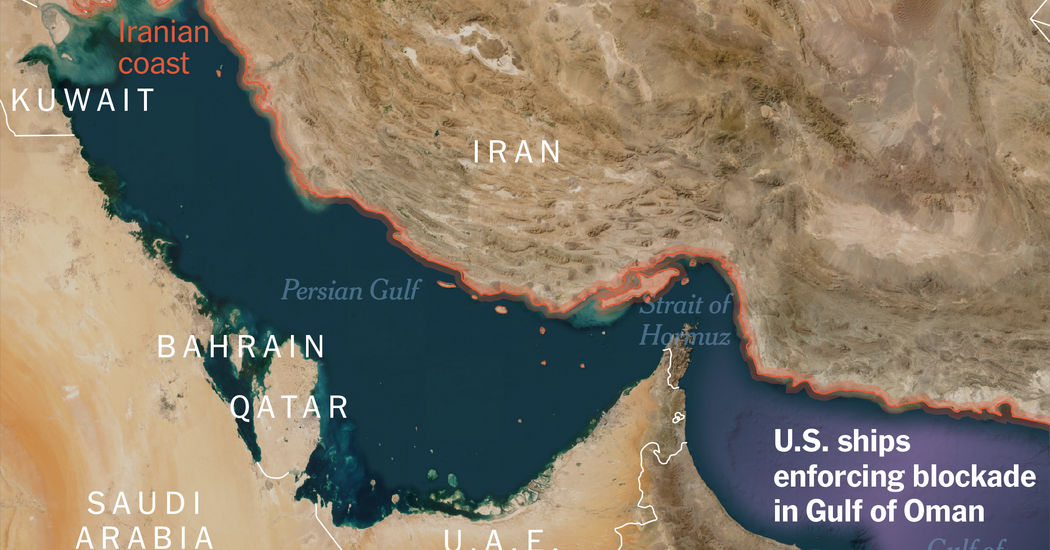
As geopolitical analysts dissect the U.S.-Israeli strikes on Iranian targets, the discussion inevitably circles back to Iran’s unconventional defense mechanism. For years, adversaries like the United States and Israel have fretted over Tehran acquiring nuclear weapons, viewing them as the ultimate shield against aggression. Yet, recent events reveal that Iran possesses a far more tangible and immediate deterrent: the Strait of Hormuz itself. This narrow passage serves as a lifeline for global energy flows, channeling about 20% of the world’s oil supply through its waters. Shallow and hemmed in by Iran’s rugged coastline, the strait creates a natural killing ground where missiles and drones can thrive. Ships must navigate perilously close to Iranian shores, making total security elusive even for advanced naval powers. In essence, Iran’s topography amplifies its military capabilities, turning geography into a formidable arsenal.
The conflict has illuminated a blueprint for Iran’s leadership to deter future threats, irrespective of any curbs on its nuclear ambitions. Experts note that Tehran now has a proven playbook for asserting dominance without resorting to the unwieldy tactics of the past. During the Iran-Iraq War in the 1980s, Iran tried mining the strait, but that hazardously risked friendly vessels alongside enemies. Modern precision-guided systems like drones and missiles offer a safer, more targeted alternative. American intelligence reports indicate Iran retains roughly 40% of its drone fleet and over 60% of its missile launchers post-conflict—ample reserves to cripple shipping routes anew. Former Israeli intelligence officials, including Danny Citrinowicz of the Atlantic Council, argue bluntly that “you cannot beat geography.” This reality has prompted President Trump’s administration to erect its own naval blockade, a tit-for-tat escalation that has ratcheted up risks.
Yet, the standoff over the strait remains fraught with uncertainty. Iran declared the waterway open last Friday, sparking global market surges, only to retract partially on Saturday, insisting it stays under “strict control” unless Washington lifts its embargo on Iranian ports. The weekend escalated dramatically when a U.S. Navy destroyer intercepted and seized an Iranian cargo ship, drawing accusations of piracy from Tehran’s forces. Iranian diplomats, echoing the frustration on social platforms like X (formerly Twitter), wryly observed that “The Strait of Hormuz isn’t social media. If someone blocks you, you can’t just block them back.” Observers worldwide, from Russian security officials like former President Dmitri Medvedev—who hailed the strait as Iran’s “tested nuclear weapon”—are taking note. This incident underscores the fragile equilibrium, where mutual blockades could spiral into broader chaos, reshaping regional power balances for decades.
Amid the brinkmanship, diplomatic overtures offer a glimmer of de-escalation. Despite fiery rhetoric and equivocal signals, the United States and Iran have signaled intent to resume peace talks in Pakistan this week. Vice President JD Vance is slated to depart Washington for Islamabad shortly, and Iranian Parliament Speaker Mohammad Bagher Ghalibaf plans to reprise his role from earlier rounds. However, Iranian officials remain cautious, voicing public doubts about genuine progress as a two-week ceasefire looms toward expiration tomorrow. These negotiations, held under the auspices of international intermediaries, represent a slim hope to avert further conflagrations, though skepticism persists in Tehran about their efficacy in the shadow of ongoing hostilities.
While the U.S.-Iran saga dominates headlines, neighboring Saudi Arabia grapples with its own adaptations amid regional turbulence. Over the past decade, Riyadh has pursued ambitious economic diversification under Crown Prince Mohammed bin Salman, aiming to wean the kingdom from its heavy oil dependence. Yet, those grand visions have clashed with fiscal realities, now exacerbated by the conflict’s ripple effects on energy markets and global trade. Last week, officials unveiled a revised strategy for the nation’s $1 trillion sovereign wealth fund, potentially phasing out subsidies for ventures like LIV Golf. Fund Governor Yasir Al-Rumayyan emphasized a pragmatic pivot: reviewing projects to distinguish “must-have” necessities from “good-to-have” luxuries. This recalibration reflects a broader reckoning for OPEC’s heavyweight, as pressures mount from fluctuating oil revenues and the imperative to shield against external shocks.
In parallel, everyday lives weave through the larger narrative of tension and resilience. In Ukraine, parcel delivery driver Oleksiy Klochkovsky epitomizes this grit, his routine forever altered by the frontlines. Once focused on the road, he now scans skies for drones and missiles, having lost three trucks to Russian strikes and dodged countless perils. His story highlights the human toll of protracted conflicts, where survival demands constant vigilance. On a lighter note, the fashion world celebrates a overdue embrace of maturity, with runway stars like Stephanie Cavalli and Kate Moss at Chanel and Gucci defying age-old youth obsessions. New York Times fashion critic Vanessa Friedman praises this inclusivity as a cultural shift. Even culinary delights from vegan kebabs echoing Turkish street food provide a palate cleanser. Meanwhile, literary enthusiasts can delve into W.H. Auden’s “The More Loving One” in a forthcoming deep dive, promising subtle revelations about perception.
This mix of high-stakes diplomacy, economic readjustments, and intimate human anecdotes paints a multifaceted picture of our turbulent world. As the Strait of Hormuz standoff évolves, it serves as a reminder that geography, much like global crises, defies easy resolution. For now, observers await twists in U.S.-Iran talks and Saudi pivots, hopeful for stability yet wary of escalation. Guest contributors Mark Mazzetti, Adam Entous, and Julian E. Barnes bring authoritative insight, underscoring the depth of today’s coverage. Feedback is always appreciated—reach out at theworld@nytimes.com to share thoughts on these unfolding stories. Until tomorrow, the global stage remains as unpredictable as ever.