

Economic Challenges in Iran: A Nation Under Pressure
Iran is facing a perfect economic storm that has left ordinary citizens struggling to make ends meet. Soaring inflation rates have combined with a dramatic collapse in the value of the national currency, creating unprecedented financial hardship for millions of Iranians. What once seemed like manageable economic challenges have transformed into a daily battle for survival for many families across the country. This economic crisis has not only affected household budgets but has also presented serious political challenges for Iran’s leadership, who must now navigate public discontent while dealing with international isolation and sanctions that have compounded these problems.
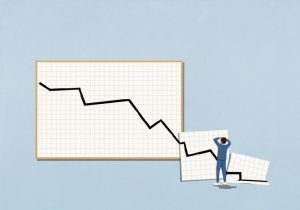
The currency collapse has been particularly devastating. The Iranian rial has lost much of its value against major international currencies, making imports prohibitively expensive and causing the prices of everyday necessities to skyrocket. For average Iranians, this means that savings have evaporated, purchasing power has diminished dramatically, and long-term financial planning has become nearly impossible. Families who once lived comfortably in the middle class now find themselves cutting back on basic needs like food, healthcare, and education. The psychological impact cannot be overstated – there’s a growing sense of anxiety and insecurity as people watch their financial stability crumble despite working just as hard or even harder than before.
This economic turmoil has transformed daily life for most Iranians. Shopping for groceries has become an exercise in financial calculation, with many people forced to abandon preferred brands or products altogether. Parents make difficult choices about their children’s education and activities, while the younger generation increasingly questions whether they have a future in their homeland. The housing market has become inaccessible to many, healthcare costs have risen beyond reach for some families, and the simple pleasures that make life enjoyable have become luxury items. What’s particularly painful for many citizens is watching the growing inequality as a small segment of society – often those with political connections – appears to thrive amid the general suffering.
Iranian authorities face mounting pressure to address these economic woes. The government has attempted various interventions, from currency controls to subsidy programs, but solutions remain elusive in the face of structural economic problems, international sanctions, and governance issues. Public patience is wearing thin, with economic grievances increasingly expressed through protests and social media criticism despite the risks involved. The leadership must balance competing priorities: maintaining political control, addressing international relations that affect the economy, and responding to the immediate needs of a population that is increasingly vocal about its discontent. This balancing act becomes more challenging as economic indicators continue to worsen.
The human toll of this crisis extends beyond financial metrics. Many Iranians report increased stress, anxiety, and depression related to economic insecurity. Family dynamics have shifted as multiple generations crowd into shared housing to save money, and as women and young people take on additional jobs in the informal economy to supplement household income. Brain drain has accelerated, with educated Iranians seeking opportunities abroad when possible. Community solidarity has been both strengthened and tested – neighbors help each other through difficult times, but social tensions also rise as resources become scarcer. Traditional cultural practices and celebrations are scaled back or abandoned due to cost constraints, affecting the social fabric that has long sustained Iranian society through difficult periods.
Looking ahead, Iran stands at a crossroads where economic decisions will shape not just financial outcomes but the very nature of society. Citizens’ remarkable resilience and adaptability have helped many survive thus far, with extended family networks, creative side hustles, and careful resource management becoming essential survival strategies. However, sustainable solutions will require addressing fundamental economic issues, from banking system reforms to diversification beyond oil dependence. The intertwined nature of economic policy, political governance, and international relations makes this challenge particularly complex. For ordinary Iranians, the hope remains that their daily economic struggles will eventually ease, allowing them to focus once again on building futures rather than merely surviving the present. Their ability to maintain dignity and community amid hardship speaks to the enduring spirit that has characterized Iranian society throughout its long history.