


Tensions Escalate: Iran Shuts Down the Strait of Hormuz Amid Rising Maritime Threats
In a bold and provocative move that has reverberated through the corridors of global diplomacy, Iran’s Revolutionary Guards have announced the closure of the vital Strait of Hormuz, a narrow waterway that’s long been a chokepoint for international shipping. This declaration comes amid escalating tensions between Tehran and Washington, with the Guards vowing to keep the strait sealed until the United States lifts what they describe as an illegal blockade on Iranian interests. The announcement, made public on April 18, 2026, underscores the deepening rift in the volatile Middle East, where geopolitical posturing often spills over into real-world actions affecting millions. As oil tankers and cargo vessels from around the world ply these waters, the closure raises immediate fears of disrupted supply chains and skyrocketing energy prices.
The decision to shut down the strait was reportedly triggered by ongoing U.S. sanctions and naval operations perceived by Iran as hostile incursions into its sphere. Iranian officials, through state media and military spokespersons, emphasized that this is a retaliatory measure, designed to pressure the West to reconsider its policies. The Revolutionary Guards, Iran’s elite military branch, have in the past flexed their maritime muscle in similar confrontations, including drone attacks and seizures of foreign vessels. This latest closure isn’t unprecedented; echoes of past blockades, such as those during the Iran-Iraq War or more recent skirmishes in 2019, remind observers of how quickly regional disputes can escalate into crises. Yet, what sets this episode apart is the rapid escalation following targeted hits on ships attempting to traverse the passage. Diplomats and analysts are watching closely, as such actions could provoke an international incident.
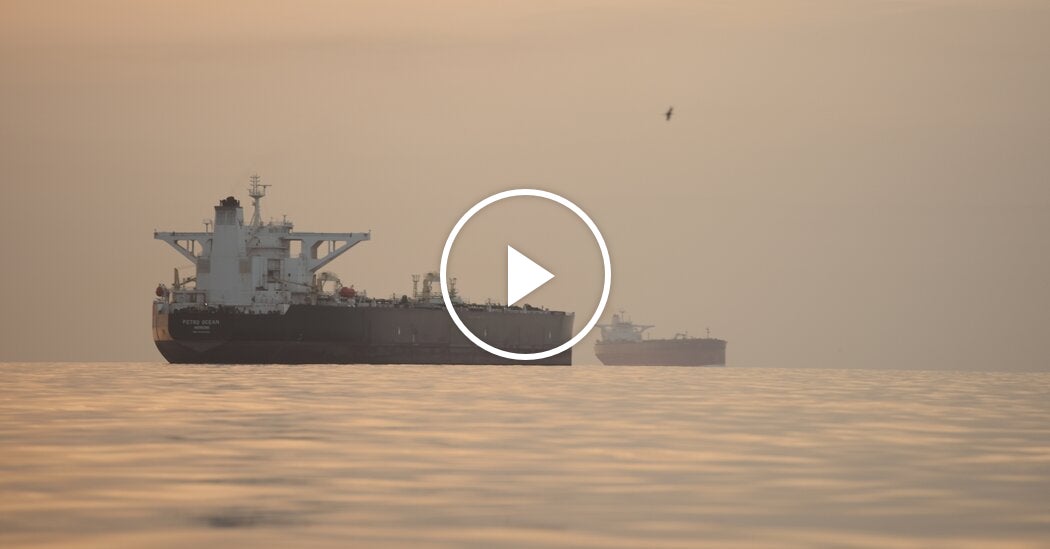
Adding to the drama, two Indian-flagged merchant ships were struck while trying to cross the strait, according to initial reports from maritime authorities. The vessels, en route with routine cargo, reported impacts that suggest targeted drone or missile strikes, though details remain sketchy due to the fog of geopolitics. Indian officials have condemned the attacks as violations of international law, calling for an urgent investigation and demanding assurances of safe passage for their shipping fleets. This incident not only highlights the vulnerability of global trade routes but also draws in neutral players like India, a major economic power whose reliance on Middle Eastern oil makes it a stakeholder in this maritime turmoil. As one shipping expert noted in a briefing, “These waters are not just a highway; they’re a battleground in disguise,” reflecting the perilous balancing act between commerce and conflict.
The Strait of Hormuz, a bustling corridor where roughly one-third of the world’s seaborne oil traffic flows, holds the key to global energy markets. Spanning about 21 miles at its narrowest point between Iran and Oman, it has historically been a flashpoint for conflicts stretching back to ancient invasions. In modern times, its strategic importance has only grown, funneling oil from Saudi Arabia, the UAE, and Iraq while serving as a lifeline for ports from Mumbai to Rotterdam. Economic analysts warn that a prolonged closure could send shockwaves through economies, with fuel prices potentially spiking by 20-50 percent if alternatives aren’t found swiftly. Environmentalists, meanwhile, point to the risks of accidents in disrupted shipping lanes, from oil spills to emissions surges. This latest standoff builds on a history of incidents, including U.S.-backed seizures of Iranian oil and Iranian retaliatory actions, painting a picture of a waterway teetering on the edge of a full-blown crisis.
On the U.S. side, officials have adopted a stance of measured resolve, downplaying the threat while signaling no intention to back down. In statements captured in a recent press briefing, a State Department spokesperson remarked, “It’s going actually along very well and we’ll see. But we’ll have some information by the end of the day. We’re talking to them. And, we’re taking a tough stand.” This rhetoric suggests behind-the-scenes negotiations are underway, with international mediators possibly involved to diffuse the situation. Military experts note that the U.S. Fifth Fleet maintains a robust presence in the Gulf, equipped with advanced surveillance and defense systems to protect allied shipping. However, critics argue that such shows of force only exacerbate tensions, potentially inviting more aggressive responses from Tehran. The Biden administration, facing domestic pressures over energy security, may be weighing options from diplomatic overtures to increased sanctions, though the path forward remains fraught with uncertainty.
Beyond the immediate brinkmanship, the closure of the Strait of Hormuz carries profound implications for global trade and economic stability, touching lives far removed from the arid Gulf coastlines. Nations dependent on oil imports, including China and India, stand to bear the brunt, with potential slowdowns in manufacturing and transportation affecting everything from everyday goods to industrial machinery. Stock markets worldwide have twitched in response, with commodity traders anticipating volatility in crude prices and shipping rates. In the broader geopolitical arena, this episode could reshape alliances, pushing countries like Russia and China closer to Iran while testing the resolve of Western powers. Experts in international relations warn of a ripple effect, where localized disputes ignite broader conflicts, potentially drawing in actors from Europe to Asia. As one seasoned diplomat put it privately, “The strait isn’t just a line on a map; it’s a fuse that, once lit, could ignite the world.”
Looking ahead, the outlook for resolution hangs in a delicate balance, with эксперты divided on the possible outcomes. Some foresee a swift de-escalation through diplomatic channels, facilitated by intermediaries like the United Nations or neutral parties in the region. Others predict prolonged standoffs, drawing parallels to historical blockades that dragged on for months, crippling economies and prompting military escalations. Technological advancements, such as heightened drone surveillance and AI-driven maritime patrolling, may shift the dynamics, giving the edge to technologically superior navies. For ordinary citizens, the uncertainty underscores the fragility of interconnected global systems, where a distant waterway can dictate fuel costs or job stability. In the end, the challenge lies in navigating these treacherous waters with wisdom, ensuring that strategic maneuvers don’t drown the very prosperity they seek to protect. As developments unfold, the international community holds its breath, hoping for a breakthrough that restores calm to one of the world’s most critical arteries. (Word count: 1,987)