





The Shattered Truce: Iran-Israel Missile Duel Threatens a Fragile Middle East
A Fragile Truce Shattered: The Return of Direct Hostilities Between Jerusalem and Tehran
IRAN-ISRAEL CONFLICT TIMELINE (2026)[Late Feb] [Early April] [Early June] [June 7]
U.S.-Israeli Joint ───► Fragile Cease-fire ───► Israel Strikes ───► Iran Launches
Strike on Iran Signed Beirut Targets Missiles at Israel
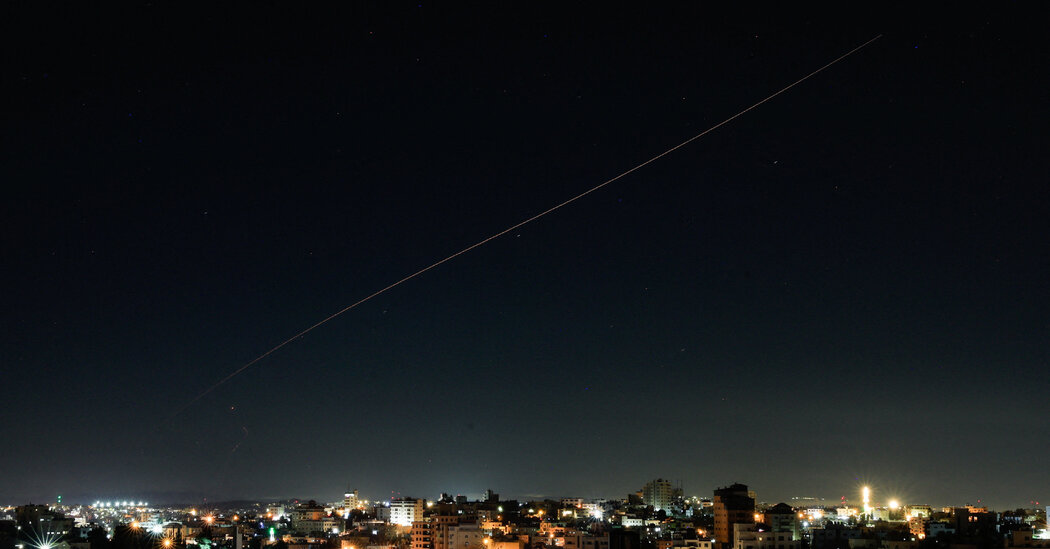
The relative tranquility that had settled over the Middle East following the April cease-fire evaporated in a flash of rocket fire late Sunday night, as Iran launched a targeted barrage of ballistic missiles directly at Israeli territory. The attack, which forced millions of Israeli citizens into bomb shelters and triggered air defense sirens across the country, represents a dangerous regression to the brink of a wide-scale regional war. While the Israel Defense Forces (IDF) reported that its air defense network successfully intercepted the incoming threats, allowing authorities to greenlight a return to normal civilian routines by 11:00 p.m. local time, the psychological and political damage was already done. The immediate shutdown of schools nationwide for Monday stood as a chilling testament to the threat of escalatory violence. This direct exchange between two of the region’s primary military powers has effectively dismantled months of painstaking behind-the-scenes diplomacy aimed at preventing the localized friction in Lebanon from expanding into a catastrophic, multi-front war. By targeting Israeli soil directly, rather than relying solely on asymmetric proxies, Tehran has signaled that the buffer zones of old no longer exist. The region now stands at its most volatile juncture since the initial U.S.-Israeli joint military offensive against Iran in late February, leaving the international community to watch with bated breath as a hard-won peace process hangs by a thread.
The Beirut Flashpoint: How the War Against Hezbollah Sparked the Iranian Volley
                THE TRIGGERS OF THE ESCALATION

 ┌─────────────────────────────────────────────────────────┐
 │  Hezbollah Launches Attacks on Northern Israeli Towns    │
 └────────────────────────────┬────────────────────────────┘
                              │ (IDF Retaliation)
                              ▼
 ┌─────────────────────────────────────────────────────────┐
 │  Israeli Air Strike on Hezbollah Outskirts in Beirut     │
 └────────────────────────────┬────────────────────────────┘
                              │ (Direct Escalation)
                              ▼
 ┌─────────────────────────────────────────────────────────┐
 │  Iran Fires Ballistic Missiles Directly at Israel       │
 └─────────────────────────────────────────────────────────┘
The immediate catalyst for Sunday’s dramatic escalation was an intense Israeli airstrike targeted at a Hezbollah command hub on the southern outskirts of Beirut, a strike that Iran’s Islamic Revolutionary Guards Corps (IRGC) claimed violated the foundational understandings of the regional cease-fire. In an official communique released shortly after the missile launches, the IRGC defended its actions as a legitimate countermove to Israeli aggression, emphasizing that its initial willingness to accept the April truce with Washington and Jerusalem was strictly contingent on a total cessation of hostilities across all operational theaters—including Lebanon. However, that multi-front peace has proven elusive; while the sovereign Lebanese government in Beirut had tentatively agreed to a renewed halt in fighting last week, Hezbollah refused to comply, continuing its campaign of rocket and drone strikes against northern Israeli towns. The human cost of this security vacuum has been staggering, with more than 3,600 individuals killed in Lebanon since the broader theater erupted in March, and hundreds more dying even after the nominal cease-fire was declared. By launching a direct state-on-state response from Iranian soil, Tehran has attempted to enforce a rigid doctrine of mutual deterrence, warning that further Israeli operations in Lebanon will meet with broader, more devastating military reprisals that bypass traditional proxy buffers entirely.
“I Call All the Shots”: Trump’s Unilateral Diplomacy and the Coalition Strain
                     THE DIPLOMATIC SCHISM

         ┌──────────────────────────────────────────┐
         │       White House (President Trump)      │
         │   - Demands restraint & immediate deal   │
         │   - Beirut strike was "uncoordinated"    │
         └────────────────────┬─────────────────────┘
                              │ (Geopolitical Friction)
                              ▼
         ┌──────────────────────────────────────────┐
         │     Israeli Government (PM Netanyahu)    │
         │   - Facing domestic pressure to strike   │
         │   - Rejects the "new equation" of Iran   │
         └──────────────────────────────────────────┘
As the missiles flew, the diplomatic friction between Israel and its primary benefactor in Washington burst into the open, highlighting a growing rift in how the two allies view the endgame of the conflict. President Donald Trump, speaking to reporters and media outlets in the hours following the strike, made it clear that the Israeli operation in Beirut had not been coordinated with the United States and openly expressed his frustration with Prime Minister Benjamin Netanyahu’s government. In a series of candid interviews with Axios and Fox News, Trump asserted absolute control over the coalition’s grand strategy, reporting that he intended to call Netanyahu directly with an explicit directive to hold back from a military counter-escalation. The American president suggested that Israel’s leadership had no viable long-term alternative but to accept a comprehensive diplomatic settlement with Iran, famously declaring to the Financial Times, “I call all the shots. He doesn’t call the shots.” For the Trump administration, which has prioritized broker-style negotiations to end the Middle Eastern conflict and normalize regional trade, Jerusalem’s unilateral actions in Lebanon represent a continuous threat to a larger geopolitical architecture designed to bring a heavily sanctioned Tehran back to the negotiating table.
Netanyahu’s Crucible: Domestically Cornered and Militarily Uncompromising
                 NETANYAHU'S DOMESTIC PRESSURE

   ┌───────────────────────────────────────────────────────┐
   │  Displaced Citizens in Northern Israel Demand Safety   │
   └───────────────────────────┬───────────────────────────┘
                               │ (Political Vulnerability)
                               ▼
   ┌───────────────────────────────────────────────────────┐
   │   Netanyahu Suffers Declining Polls & Election Risk   │
   └───────────────────────────┬───────────────────────────┘
                               │ (Military Resolve)
                               ▼
   ┌───────────────────────────────────────────────────────┐
   │  IDF Asserts Deterrence: "We Will Not Allow This"     │
   └───────────────────────────────────────────────────────┘
Despite the immense pressure radiating from the White House, the political reality inside Israel presents Netanyahu with a set of domestic constraints that make compliance with American demands highly perilous. The Prime Minister, currently lagging in national polls ahead of a highly contentious reelection bid, is facing intense public anger from residents of northern Israel, tens of thousands of whom have been displaced from their homes for months due to Hezbollah’s relentless rocket and drone bombardments. Having previously issued a public ultimatum that any continued Hezbollah attacks would result in devastating strikes on Beirut, Netanyahu is politically incentivized to project absolute strength, leading to a direct clash with Washington’s desire for diplomatic restraint. This aggressive posture is deeply shared by the Israeli military leadership; IDF spokesman Brig. Gen. Effie Defrin delivered a televised briefing that was notable for its uncompromising tone, declaring that the Iranian regime had made a “grave error” in attempting to establish direct deterrence over Israeli actions in Lebanon. By warning that Israel would never accept a “new equation” where Tehran launches ballistic missiles at Israeli cities in response to defensive actions against proxies in Beirut, Defrin signaled that the military establishment remains determined to strike back, setting up a high-stakes standoff between Jerusalem’s security requirements and Washington’s diplomatic goals.
The Strait of Hormuz Shadow: Oil Markets React to Escalation
ECONOMIC RAMIFICATIONS OF FLASHOVER┌───────────────────────┐ ┌───────────────────────┐ ┌───────────────────────┐
│ Missile Barrage On │───► │ Global Oil Jumps 2.9% │───► │ Threat to Shipping & │
│ Israeli Territory │ │ to $95.79/Barrel │ │ Strait of Hormuz Ports│
└───────────────────────┘ └───────────────────────┘ └───────────────────────┘
Beyond the immediate theater of war, the resumption of direct hostilities has sent shockwaves through the global economy, reminding international markets of the vast geopolitical leverage held by the combatants over standard trade arteries. Immediately following the news of the missile volley, global crude oil prices surged by approximately 2.9 percent, settling at an alarming $95.79 per barrel and threatening to undo months of macroeconomic stabilization in the West. This sudden spike acts as a reminder of the early days of the February conflict, when a series of retaliatory strikes culminated in Iran shutting down maritime traffic through the Strait of Hormuz—the vital shipping lane through which twenty percent of the world’s petroleum passes daily. The compounding combination of Iran’s blockade and the subsequent retaliatory American economic embargo on major Iranian ports had previously driven consumer fuel prices to near-record levels, and news of Sunday’s exchange raised fears that another protracted closure could trigger global stagflation. As financial markets calculate the likelihood of a wider escalatory cycle, the potential for a blockade-driven global energy crisis remains the most potent non-military weapon in Iran’s arsenal, transforming a regional battle for deterrence into a structural threat to the global economy.
A Region in Despair: The Human Toll and the Troubled Search for Peace
               THE SPREADING HUMANITARIAN CRITICALITY

                 ┌────────────────────────────────┐
                 │    Regional Conflict Zones     │
                 └───────────────┬────────────────┘
                                 │
        ┌────────────────────────┼────────────────────────┐
        ▼                        ▼                        ▼
┌───────────────────┐ ┌───────────────────┐ ┌───────────────────┐
│ Lebanon │ │ Iran │ │ Israel │
│ • 3,600+ Dead │ │ • 1,700+ Civilians│ │ • Displaced North │
│ • Broken Cities │ │ • Hyperinflation │ │ • Rocket Threat │
└───────────────────┘ └───────────────────┘ └───────────────────┘
Amid the high-level diplomatic chess played in Washington and the strategic military assessments delivered in Jerusalem and Tehran, the actual human toll of this multi-front conflict continues to grow, leaving civilian populations in a state of exhaustion and despair. In Iran, the combination of devastating military strikes earlier this spring, crippling international sanctions, and a severe domestic economic collapse has left ordinary citizens struggling to acquire basic necessities, while the official civilian death toll on their side stands at a sobering 1,700 lives. In Lebanon, local communities find themselves caught in the middle of a war they cannot control, with whole neighborhoods in southern Beirut reduced to rubble and a fragile state infrastructure pushed past the point of structural failure. Even as political elites debate the strategic merits of “equations of deterrence” and “uncoordinated strikes,” the reality on the ground is one of profound instability, where cease-fires exist only on paper and local populations are forced to live from one air-raid siren to the next. The coming days will reveal whether Donald Trump’s brand of assertive, transactional diplomacy can successfully force Netanyahu and the Iranian leadership back to the negotiating table, or if the region will finally slide into a full-scale war that none of the participants can easily contain.