




A New Dynasty: Stephen Curry and the Global Re-Alignment of Sports Merchandising
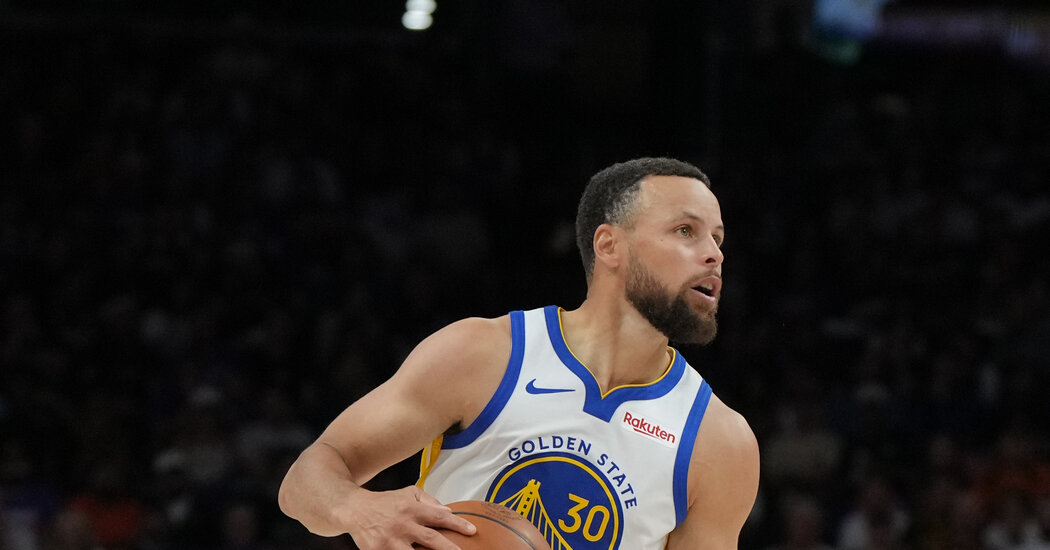
The landscape of modern athletic endorsements underwent a seismic shift this week, as Stephen Curry, the four-time NBA champion and undisputed revolutionary of the modern game, announced a landmark ten-year partnership with the Chinese sportswear titan Li-Ning. This blockbuster agreement, which marks the end of Curry’s decade-long association with American outfitter Under Armour, immediately redraws the geopolitical map of the multibillion-dollar athletic apparel market. For decades, the industry’s summit has been fiercely guarded by Western monoliths like Nike and Adidas, leaving domestic Asian brands to fight for market share primarily within their regional borders. By aligning his personal brand—and his coveted global fan base—with Li-Ning, Curry is providing the Beijing-based company with an unprecedented level of Western cultural capital and retail credibility. The partnership is designed to be highly reciprocal: while the Golden State Warriors’ legendary guard secures direct, frictionless access to China’s massive consumer market of over 1.4 billion people, Li-Ning gains a transcendent, generation-defining ambassador capable of turning their high-performance sneakers into a global lifestyle status symbol. Under the terms of this sweeping alliance, Curry will not only export his highly successful, signature “Curry Brand” lineup of basketball footwear, athleisure wear, and lifestyle apparel to the East, but he will also wield the administrative power to scout, recruit, and sign his own roster of active professional athletes to the brand. This structural autonomy elevated the negotiations beyond a simple endorsement contract, transforming Curry from a traditional corporate pitchman into a co-owning global merchant prince determined to establish a lasting international business footprint that outlives his active playing career.
The Gymnast’s Legacy: From Olympic Gold to Global Corporate Powerhouse
LI-NING HISTORICAL TIMELINE1984 1990 2004 2012 Present
┌─────────────────────────┐ ┌───────────────────────┐ ┌───────────────┐ ┌──────────────┐ ┌───────────────────────┐
│ Li Ning wins 6 medals │ │ Founded sportswear │ │ Goes public │ │ Signs Dwyane │ │ Partners with Steph │
│ at LA Olympics (3 gold) │ │ brand in China │ │ on HKEX │ │ Wade (Wade) │ │ Curry (10-yr deal) │
└─────────────────────────┘ └───────────────────────┘ └───────────────┘ └──────────────┘ └───────────────────────┘
To fully grasp the magnitude of this cross-border alliance, one must understand the unique, athlete-centric DNA of Li-Ning, a firm deeply rooted in the triumphs of Chinese sporting history. The corporate empire was founded in 1990 by its eponymous creator, Li Ning, affectionately dubbed the “Prince of Gymnastics” after securing six medals—including three golds—at the 1984 Summer Olympics in Los Angeles, an event that marked China’s triumphant, full-scale return to the Olympic movement. Following his retirement from elite athletic competition in 1988, Li chose to apply his national hero status to the commercial sector, establishing an athletic brand designed to provide domestic athletes with high-quality, homegrown gear that could compete with Western imports. Operating initially as the patriotic outfitter of successive Chinese Olympic delegations, the brand underwent a dramatic maturation process, listing on the Hong Kong Stock Exchange in 2004 and signaling its intent to challenge the global hierarchy of sports performance. The company quickly recognized that the NBA represented the premier vehicle for international cultural penetration, initiating its Western courtship by signing legendary center Shaquille O’Neal in 2006, followed by the mercurial point guard Baron Davis. However, the brand’s defining pre-Curry milestone arrived in 2012 when they signed Miami Heat superstar Dwyane Wade, launching the highly successful, cult-classic “Way of Wade” sub-brand that proved a Chinese company could manufacture premium, high-heat basketball sneakers coveted by Western collectors. Despite these sporadic international triumphs, Li-Ning has remained primarily a domestic giant; though the company reported a staggering $4.3 billion in annual revenue last fiscal year, the vast majority of its sheet balances were driven by hyper-patriotic Chinese consumers, making the acquisition of Curry’s global star power a critical necessity for their next phase of international expansion.
Retail, Golf, and Autonomy: Deconstructing the Blueprint of the Ten-Year Deal
                    CURRY BRAND x LI-NING PRODUCTS

         ┌───────────────────────┬───────────────────────┐
         │                       │                       │
 ┌───────▼───────┐       ┌───────▼───────┐       ┌───────▼───────┐
 │  Basketball   │       │  Athleisure   │       │     Golf      │
 │  Performance  │       │  & Lifestyle  │       │   Premium   │
 └───────────────┘       └───────────────┘       └───────────────┘
The intricate architecture of this ten-year agreement represents a bold departure from traditional sneaker sponsorships, prioritizing long-term equity, multi-sport product diversification, and physical real estate development. While neither party has formally disclosed the exact financial terms of the contract, industry insiders suggest the financial guarantees, combined with lucrative royalty structures, make it one of the most lucrative individual endorsement deals in modern sports history. A cornerstone of the partnership is the aggressive, physical expansion of the brand’s footprint, with concrete plans to construct a network of brick-and-mortar “Curry Brand” flagship stores across both metropolitan China and major metropolitan markets in the United States. Furthermore, the product roadmap extends far beyond the hardwood floor where Curry built his legendary status; the brand will actively develop and market dedicated lines of premium lifestyle apparel, training clothing, and specialized golf gear. For the 38-year-old point guard, who has frequently demonstrated a deep, near-obsessive passion for golf through high-profile exhibition matches and philanthropic youth initiatives, the inclusion of golf-specific equipment and apparel is a highly strategic play designed to lay the foundation for a robust, post-basketball business empire. Perhaps the most revolutionary facet of the deal is the structural authority granted to Curry, allowing him to operate as his own brand commissioner with the power to draft and sign other professional athletes to the Curry Brand roster, effectively mimicking the autonomous, highly lucrative sub-brand model popularized by Michael Jordan and Nike.
The Road to Sneaker Free Agency: Leaving the Under Armour Dynasty
The path that led Curry to the corporate offices of Li-Ning was paved with years of industry speculation, shifting market dynamics, and a high-stakes period of “sneaker free agency” that captivated the sports business community. For twelve years, Curry served as the bedrock of Under Armour’s basketball division, single-handedly elevating the Baltimore-based brand from a minor player in the basketball space into a legitimate contender through a highly successful line of signature sneakers. However, by the mid-2020s, Under Armour found itself buffeted by consistent financial headwinds, executive turnover, and struggling domestic sales, creating a palpable corporate stagnation that began to constrain Curry’s expansive, global vision for his namesake brand. When the two parties officially negotiated a mutual split in 2025, the exit agreement uniquely permitted Curry to retain the full trademark rights and intellectual property of the “Curry Brand,” triggering a highly publicized bidding war among global athletic companies hungry for his endorsement. During this competitive transition phase, the legendary shooter transformed his pre-game warmups into a masterfully orchestrated, highly scrutinized preview of his impending decision, deliberately wearing custom, unbranded footwear from a wide variety of global producers, which sneaker enthusiasts and industry analysts dissected daily on social media. Ultimately, Curry’s choice of Li-Ning was guided by a profound appreciation for the product’s on-court performance, the cushioning technologies developed in their Beijing research labs, and a unique, peer-to-peer alignment with the company’s founder, whose own background as a legendary Olympic champion resonated deeply with Curry’s personal philosophy of athletic excellence and product design.
              STEPHEN CURRY'S ENDORSEMENT EVOLUTION

2013                                  2025                       Present
┌──────────────────────────────────────┐ ┌────────────────────────┐ ┌─────────────────────┐
│ Signed with Under Armour │ │ Mutual split from UA │ │ Signs 10-year deal │
│ (Built Curry Brand over 12 years) │ │ Retained brand name │ │ with Li-Ning │
└──────────────────────────────────────┘ └────────────────────────┘ └─────────────────────┘
Geopolitical Sports Economics: The Strategic Expansion of Chinese Athletic Brands
                  CHINESE BRANDS IN THE NBA MARKET

   ┌───────────────────┬───────────────────┬───────────────────┐
   │                   │                   │                   │
┌────▼────┐ ┌────▼────┐ ┌────▼────┐ ┌────▼────┐
│ Li-Ning │ │ Anta │ │ Anta │ │ 361 │
│ Steph │ │ Kyrie │ │ Klay │ │ Aaron │
│ Curry │ │ Irving │ │Thompson │ │ Gordon │
└─────────┘ └─────────┘ └─────────┘ └─────────┘
The arrival of Stephen Curry as the premier face of Li-Ning is far more than an isolated corporate signing; it is a critical, highly symbolic flashpoint in a grander geopolitical economic strategy being deployed by Chinese athletic brands. Facing intense domestic saturation, fierce localized price wars, and a generally cooling domestic retail economy, major Chinese sportswear manufacturers have increasingly recognized that long-term survival and valuation growth require aggressive, successful expansion into the high-spending consumer markets of the West. Li-Ning is not alone in this philosophy: its primary domestic rival, Anta Sports, has waged its own highly focused campaign to capture the cultural imagination of American basketball fans, securing lucrative, long-term deals with stars like Klay Thompson and Kyrie Irving, while smaller competitors like 361 Degrees have carved out valuable niches by signing elite talents like Denver Nuggets forward Aaron Gordon. By locking down a superstar of Curry’s stratospheric caliber—an athlete whose commercial appeal transcends basketball, crossing cleanly into fashion, philanthropy, and family-friendly lifestyle markets—Li-Ning is taking its most aggressive step yet, looking to systematically dismantle the long-held Western perception that Chinese sports brands are merely budget-conscious alternatives to Nike or Adidas. This strategic maneuver exploits a growing weariness among Western consumers regarding the homogeneous offerings of traditional giants, leveraging the high-octane aesthetic design, top-tier performance engineering, and cultural exclusivity of Chinese brands to capture a lucrative segment of the modern premium sneaker market.
A New Era of Athlete Empowerment and the Borderless Courtroom
As Stephen Curry and Li-Ning embark on this ambitious decade-long journey, the partnership serves as a powerful testament to the ever-evolving nature of modern athlete empowerment, illustrating how elite modern superstars are fundamentally redefining their relationship with corporate capital. Gone are the days when an elite athlete would simply sign a standard licensing agreement, cash their endorsement checks, and passively wear whatever product a corporate design team placed in their locker; the contemporary elite player demands equity, creative ownership, international supply chain integration, and the structural apparatus to build an independent lifestyle legacy. Curry’s strategic pivot to China reflects a sophisticated understanding of the modern, hyper-connected global economy, acknowledging that artificial national boundaries are entirely irrelevant to a digital generation raised on international social media, global streetwear culture, and borderless e-commerce. By combining his unparalleled personal charisma, athletic legacy, and digital reaching power with Li-Ning’s advanced manufacturing infrastructure, massive Asian retail network, and deep capital reserves, Curry is setting a new benchmark for how athletes build their personal fortunes. As the physical “Curry Brand” stores begin to materialize in both the high-end shopping districts of Shanghai and the bustling commercial centers of California, this partnership will stand as a fascinating test case of cultural fusion, proving that the language of athletic excellence, premium design, and global business can bridge even the widest geopolitical divides.