






The Troubling Case of a Teen Accused of Inappropriate Touches in School
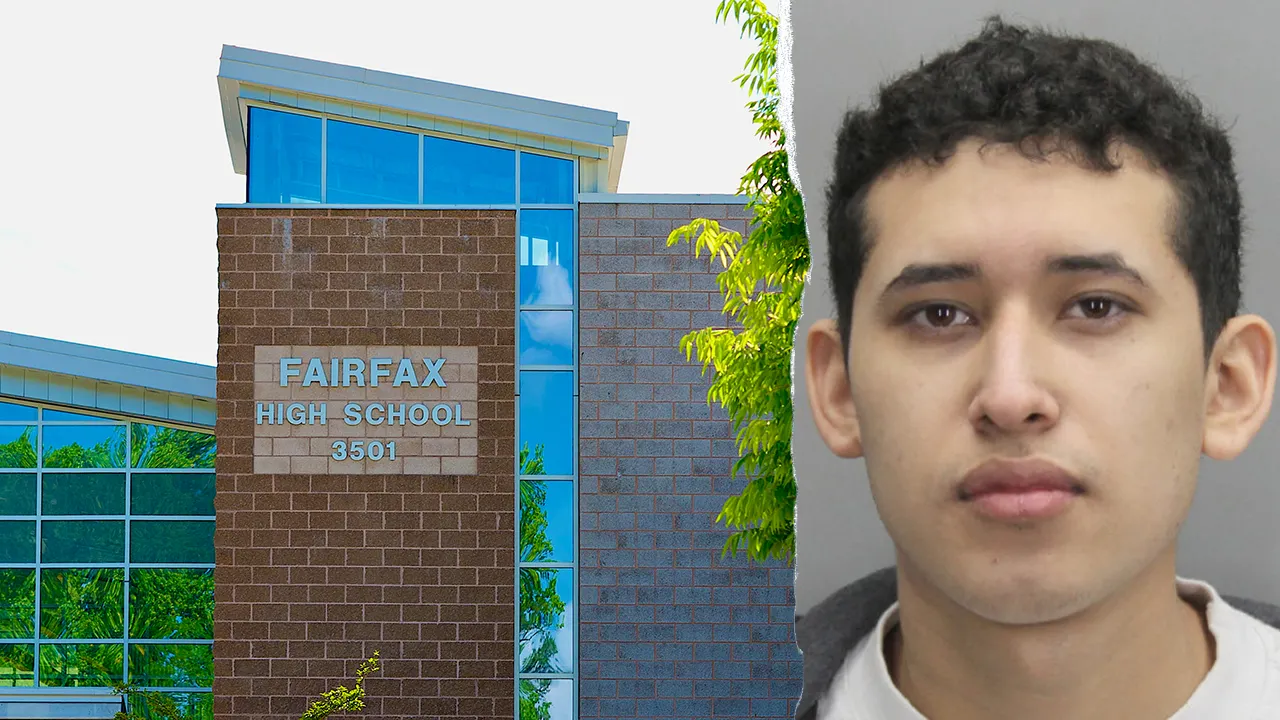
In a Fairfax County courtroom, 18-year-old Israel Flores Ortiz faced the consequences of his actions that had shaken a high school community. On Tuesday, he was sentenced to 360 days in jail for groping several female classmates in the hallways of Fairfax High School earlier this year. With time already served and adjustments for the misdemeanor, he has about 135 days left to serve. Judge Melinda Vanlowe described it as a “very difficult case,” emphasizing that the incidents were not random but targeted, forming a “pattern” of “deplorable” behavior. It’s a moment that highlights the vulnerability of young people in what should be a safe learning environment, where hallways buzz with the energy of adolescence, only for some to face unwelcome intrusions that disrupt their sense of security.
Imagine being a teenager walking through crowded school corridors, surrounded by friends and lockers, when suddenly, that safe space feels violated. That’s what unfolded here, as Flores Ortiz, entering the U.S. illegally from El Salvador in 2024, was accused of assaulting 13 female students. Though charged as an adult, his case was handled in juvenile court because most victims were minors. Out of the 13 allegations, he was convicted on nine, acquitted on three, and one was dismissed. This isn’t just about numbers; it’s about the fear and betrayal felt by young girls who trusted their school as a refuge. The Fairfax Police Department laid out the incidents, painting a picture of a young man whose hands wandered inappropriately during those chaotic moments between classes, sparking outrage and a reevaluation of how schools monitor student interactions.
Part of what makes this story deeply unsettling is Flores Ortiz’s background. As a recent arrival from El Salvador, he entered the U.S. illegally, a fact that has fueled national debates about immigration and safety. His story is one of displacement—leaving a troubled homeland for better opportunities, only to find himself mired in legal trouble that could define his future. Defense attorneys at sentencing painted him as a misguided youth, not a predator. They argued his brain wasn’t fully developed like an adult’s, suggesting immaturity rather than malice. “Only a teenager would think like that,” one counsel remarked, portraying the groping as “like a joke or prank” or “for fun,” lacking sexual intent. They requested just nine days in jail, highlighting his age and expressing remorse for what they called deplorable and patterned behavior. Yet, beneath this plea lies a human element: a young man perhaps grappling with cultural shocks, adolescence gone awry, and now facing a sentence that could alter his path in America.
The defense didn’t stop there; they voiced concerns about politicization, drawing parallels that echoed wider national tensions. Invoking former President Trump, one attorney quipped that unwanted touches sometimes lead to arrests, and sometimes—implying politicians—they lead to election victories. This defense argued the case had been blown out of proportion, tainted by the heat of political rhetoric around open borders under President Biden. For families worried about their kids, this framing aggravated fears that individual misconduct was being used as political ammunition. It’s a reminder of how personal tragedies can become battlegrounds in larger cultural wars, where empathy for the offender clashes with calls for justice for the victims. Imagine the toll on Flores Ortiz, portrayed as sorry by his defense, yet held accountable in a court that saw a perpetrator, not just a troubled teen.
On the other side, prosecutors and the victims’ representative stood firm, rejecting the idea of downplaying the seriousness. One attorney for a teenage victim bluntly stated, “This should not be politicized,” underscoring that the focus should remain on the harm done to innocent students. The groping, described as unwanted advances in packed hallways, exposed gaps in school supervision, prompting a broader look at student safety. This isn’t isolated; it’s part of a national conversation about how schools handle assaults, with Fairfax County now scrutinizing whether enough was done to protect girls during those vulnerable times. The human cost includes the emotional scars on victims, who must relive these moments in court, and the fractured trust in institutions meant to nurture youth. Families are left wondering: How many more incidents have gone unreported in similar settings across the country?
Always wider context looms, with the Virginia Department of Education announcing a Title IX investigation into the county’s schools, citing “radical gender ideology, race-based admissions, far-Left indoctrination, and unlawful discrimination” as harms inflicted on students. Posted on X, the department claimed these policies have caused “immeasurable harm” and must end. Parents, already anxious about their children’s safety amid debates over immigration policies, see this case as evidence of systemic failures. It’s a human story layered with political implications, where the groping of a few girls becomes a flashpoint for debates on borders, education, and accountability. As Flores Ortiz serves his time, the community grapples with how to heal, ensuring schools are sanctuaries again. This verdict isn’t just closure for those involved; it’s a call for vigilance, empathy for all sides, and reforms to prevent such tragedies from repeating in the future—because every student deserves a childhood free from such fears.