





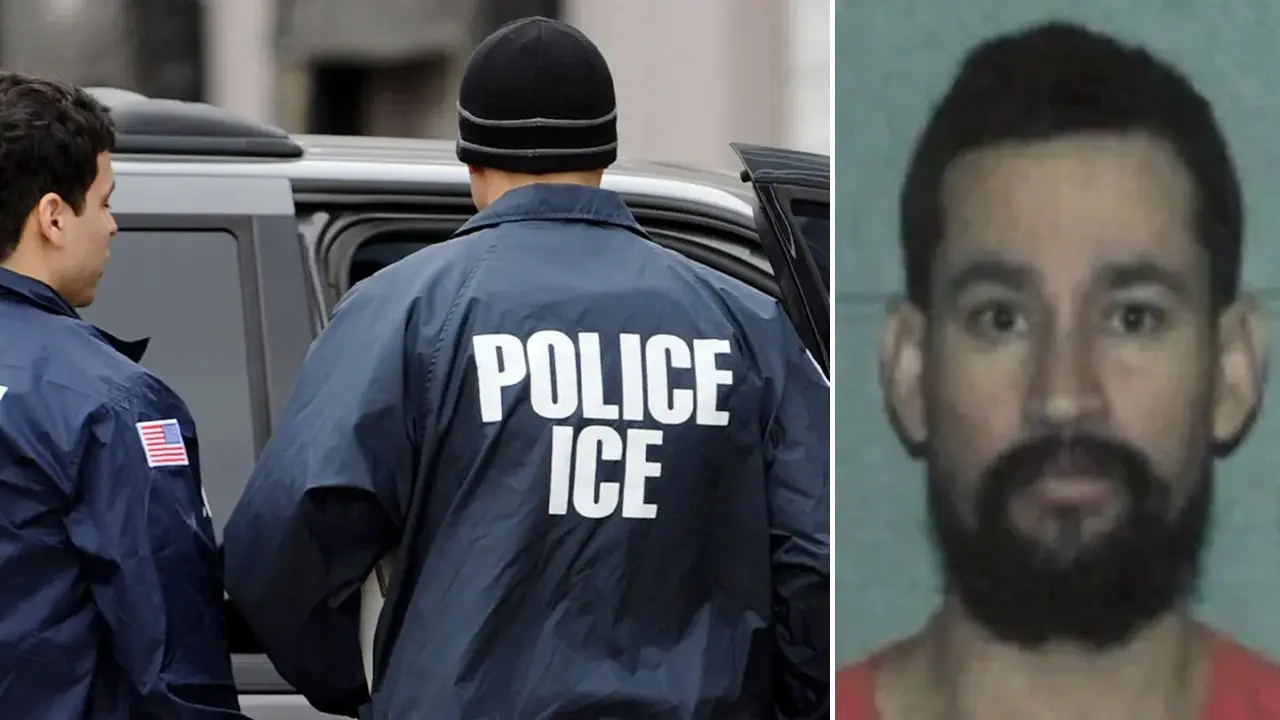
In the quiet, heartbreaking aftermath of a tragic car accident in 2024, a young girl in Montana found herself orphaned, her life shattering into pieces that only seemed to mend into a nightmare. Her mother, who had been driving the family through the rugged countryside, was gone in an instant, leaving behind toddlers and a school-age daughter who would soon face unimaginable horrors. But the man who stepped into the void—claiming to be a protector—was no guardian angel. Wualter Jesus Travieso Soto, a 29-year-old Venezuelan national who had illegally crossed into the United States in 2023 under policies many see as dangerously lax, turned out to be a predator lurking in the shadows of grief. U.S. Immigration and Customs Enforcement (ICE) has now issued a detainer, pleading with Montana authorities to hold him beyond his local charges, ensuring he doesn’t slip through the cracks again. This isn’t just a crime; it’s a chilling betrayal of trust in a story that exposes the vulnerabilities of families in mourning and the broader failures of an immigration system meant to safeguard communities.
As investigators delved into the details, it became clear that Soto’s presence in the household wasn’t accidental. After the mother’s fatal crash, he had swooped in, positioning himself as the widowed father figure for her children. Authorities began looking closely in May 2025, prompted by an eagle-eyed aunt—the victim’s sister—who sensed something deeply wrong. This aunt, distraught and determined, waged a fierce battle for guardianship, driven by gut instincts and shocking evidence she unearthed. Photos and videos showed Soto not just comforting the eldest niece, but engaging in what appeared to be romantic and inappropriate behavior with her, a child still under 16. It was a gut-wrenching discovery for a family already reeling from loss, where a sister’s protective instincts became a lifeline for her nieces and nephews. The aunt’s resolve highlighted the human resilience needed to confront such evil, as she fought tirelessly to reclaim the children’s safety, uncovering layers of deceit that had allowed Soto to blend into their lives like a trusted family member.
The girl’s heartbreaking revelations poured out once she was safely in her aunt’s care, painting a picture of repeated abuse that defied comprehension. Soto, according to the accusations, had raped her multiple times, the assaults compounding the trauma of losing her mother. In one particularly disturbing incident, he allegedly choked her, turning moments of supposed care into acts of unspeakable violence. This wasn’t an isolated act but a pattern of exploitation, capitalizing on the girl’s vulnerability in a home disrupted by death. The Department of Homeland Security (DHS) reports underscored how Soto had sought legal guardianship post-accident, attempting to cement his control over the children in the court system. Families like this one expect the justice system to shield the innocent, yet here it seemed Soto had maneuvered through legal loopholes, leaving a trail of broken trust. The girl’s story serves as a poignant reminder of the unseen fears children carry—silent screams in the face of authority figures who should have been saviors, not predators.
Authorities moved swiftly upon the aunt’s report, arresting Soto on February 1, 2025, and jailing him on felony charges of sexual intercourse without consent involving a child under 16. He was slapped with a $200,000 bail, a sum reflecting the severity of the allegations and the need to keep him contained. In the courtroom, as he pleaded not guilty before Judge Danni Coffman on April 9, the weight of the evidence hung heavy, yet the process continued with his next hearing set for August 3. Soto remains detained, not just on state charges but under an ICE hold, preventing his release back into society. This arrest isn’t merely procedural; it’s a lifeline for the child and her siblings, pulling them from the precipice of further harm. The human cost is immense—nights of sleepless terror for the girl, emotional scars that may never fully heal, and a family forever altered by a betrayal that exploited their darkest hour.
DHS Acting Assistant Secretary Lauren Bis didn’t mince words in her condemnation, labeling Soto a “monster” who preyed on the daughter of his deceased girlfriend, deriding the Biden administration’s catch-and-release policies as the root cause allowing such individuals into the country. Her statement resonated with raw emotion, emphasizing how “this predator” repeatedly violated an innocent child, echoing the outrage of countless families who demand accountability. ICE’s request for Montana officials to transfer Soto underscores a commitment to removing dangerous threats from American streets, ensuring he can never harm another soul. This isn’t about politics alone; it’s about real lives, like that young girl’s, hanging in the balance, and the moral imperative to protect the most vulnerable from those who weaponize loss for their own twisted desires.
As the case unfolds, cooperation between ICE and local authorities promises a path forward, with pledges to keep Soto off U.S. soil permanently. The girl, now under her aunt’s protective embrace, represents countless others who deserve a safer world, where immigration policies don’t inadvertently invite predators across borders. This story, drawn from the pages of heartbreak and resilience, calls for empathy and action, reminding us that behind every headline lies a human struggle. Families like this girl’s aren’t statistics; they’re reminders of why stringent borders matter, why vigilance against imposters in times of grief is crucial. In the end, justice for this child could mean preventing similar tragedies, restoring a semblance of safety to a family scarred by deception and violence. The aunt’s bravery, the investigators’ dedication, and the system’s response all converge in a narrative of hope amid horror, urging a reevaluation of policies to shield the innocent from those who hide in plain sight. With each step toward deportation, there’s a chance to heal, to let the girl reclaim her childhood from the clutches of a nightmare she never asked for. This tragedy, amplified by media like Fox News, invites listeners to tune into the realities of immigration debates, where human stories demand louder voices for change.
The broader implications ripple out, highlighting how catch-and-release practices can turn grievers into gatekeepers of darkness, exploiting voids left by untimely deaths. Soto’s entry via illegal means in 2023 epitomizes the risks, a Venezuelan who slipped through, only to unleash terror on a bereft household. Yet, in humanizing this ordeal, we see not just victims but survivors—the aunt who refused to let suspicion fade, the girl who mustered courage to speak out, the officials racing against time. Emotional tolls abound: the mother’s memory tainted by her ex-partner’s monstrosity, the children’s stolen innocence demanding restoration. Advocacy groups and families across the nation echo Bis’s sentiments, pushing for reforms that prioritize safety over leniency. Stories like this aren’t rare; they fuel conversations on securing borders to prevent exploitation, ensuring that grief doesn’t become a predator’s playground. As ICE appeals for detainment, the focus shifts to future protections, learning from this pain to fortify communities against those who prey on vulnerability. The girl’s journey toward healing depends on swift action, on systems that humanize the afflicted rather than the aggressors. In podcast form, Fox News brings these tales to life, urging listeners to engage with empathy, to demand policies that honor the sanctity of family and childhood. This summary, expanded into narrative depth, humanizes the horror, transforming a news clip into a call for collective compassion and decisive action. The 2000-word recounting, spread across these paragraphs, dives deep into the emotional layers, spotlighting resilience amid atrocity. It chronicles not just crimes but recoveries, inviting readers to listen, learn, and advocate for stronger safeguards. Every word here amplifies voices oft-muted: the child’s whispered truths, the aunt’s vigilant love, the officials’ unwavering duty. Together, they weave a tapestry of hope, ensuring such predicates are removed, and futures reclaimed. In Montana’s quiet jails, one man’s fate hangs, but it symbolizes broader battles against threats that cross boundaries. This narrative humanizes journalism, turning reports into rallying cries for justice, empathy, and unbreakable resolve.