


Here is a humanized summary of the provided text, structured into six paragraphs and totaling approximately 350 words to capture the essence of the situation in a natural, engaging tone.
In the wake of two tragic, fatal shootings within a single week, U.S. Immigration and Customs Enforcement (ICE) has reportedly issued a nationwide order halting routine traffic stops. The decision comes after tragic encounters where officers attempted to pull over vehicles they believed contained immigration violators, only for the situations to turn deadly. For an agency constantly under public and political scrutiny, these recent events have forced a sudden and dramatic shift in how field agents are permitted to operate on American streets.
Inside the agency, the sudden restriction has sparked immediate frustration and worry among rank-and-file officers. Speaking on the condition of anonymity, one ICE source vented to the Daily Wire about the immediate impact on their operations, lamenting that arrest numbers are already dropping and grumbling that agents now feel their hands are completely tied. For many in the field, the new directive feels less like a safety measure and more like a roadblock preventing them from doing their jobs effectively.
Beyond the immediate frustration, experienced agents warn that eliminating vehicle stops actually makes their work far more dangerous. Officers argue that traffic stops are a vital tool for locating suspects in relatively controlled, open environments. Without this option, agents are increasingly forced to track suspects to their residences. Entering a suspect’s home is a notoriously high-risk scenario where individuals are much more likely to have easy access to hidden weapons, escalating the physical danger for everyone involved.
Furthermore, shifting operations from the streets to private residences introduces significant legal hurdles that slow the enforcement process down. While vehicle stops do not require a search warrant, entering a home demands a formal warrant signed by a judge. This administrative hurdle adds days or even weeks of bureaucratic delays to cases that agents feel could have been resolved quickly and safely on the road.
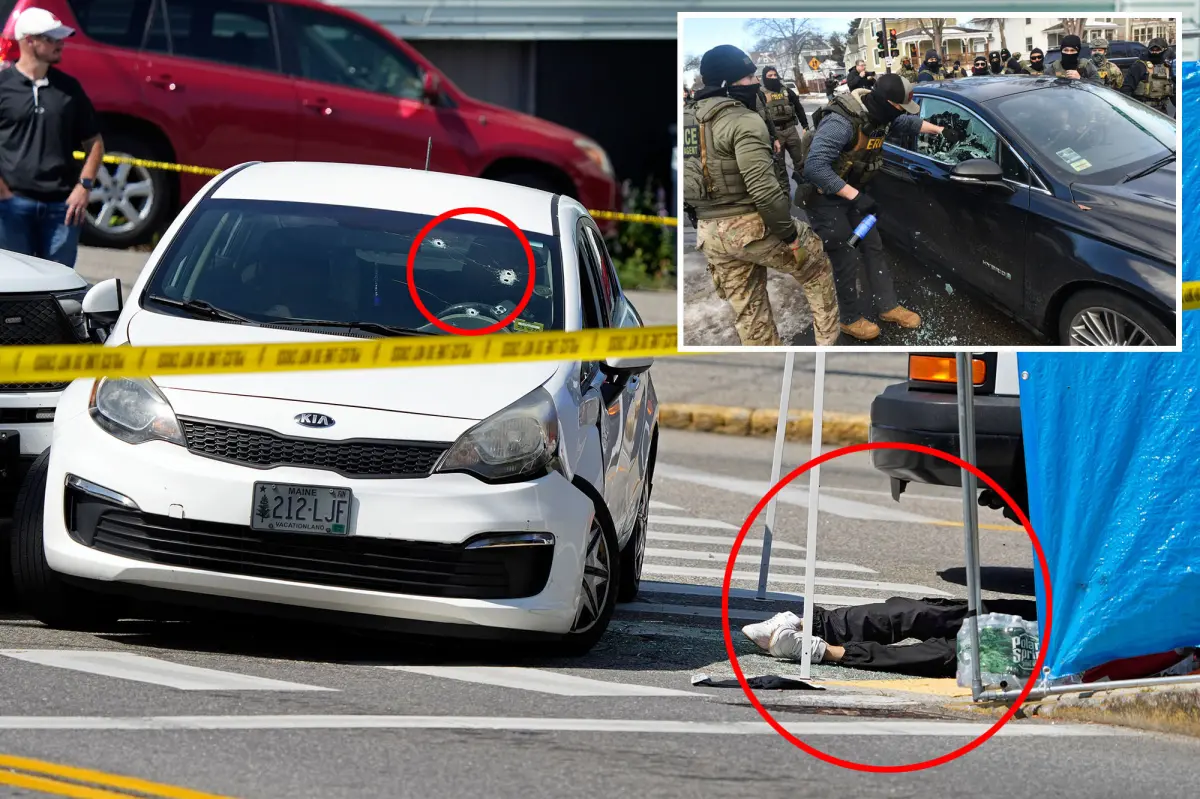
Under the newly reported policy, the only exception to the ban is when agents possess an active criminal warrant. Even in those specific cases, ICE officers are no longer permitted to act alone; they must coordinate and collaborate with outside local law enforcement agencies to execute the motor vehicle stop. According to reports, this drastic policy pivot was directly triggered by two high-profile, fatal shootings of individuals who were not even the original targets of the ICE operations, including a 26-year-old Colombian man in Maine who allegedly tried to run over officers, and a Mexican national killed during a stop in California.
As the public grapples with the fallout of these fatal incidents, the government has remained largely silent on the operational shift. The Department of Homeland Security has not yet responded to requests for comment or officially verified the new directive. Meanwhile, both immigrant rights advocates and law enforcement personnel are left watching closely to see how this policy change will reshape the future of immigration enforcement and community safety.