



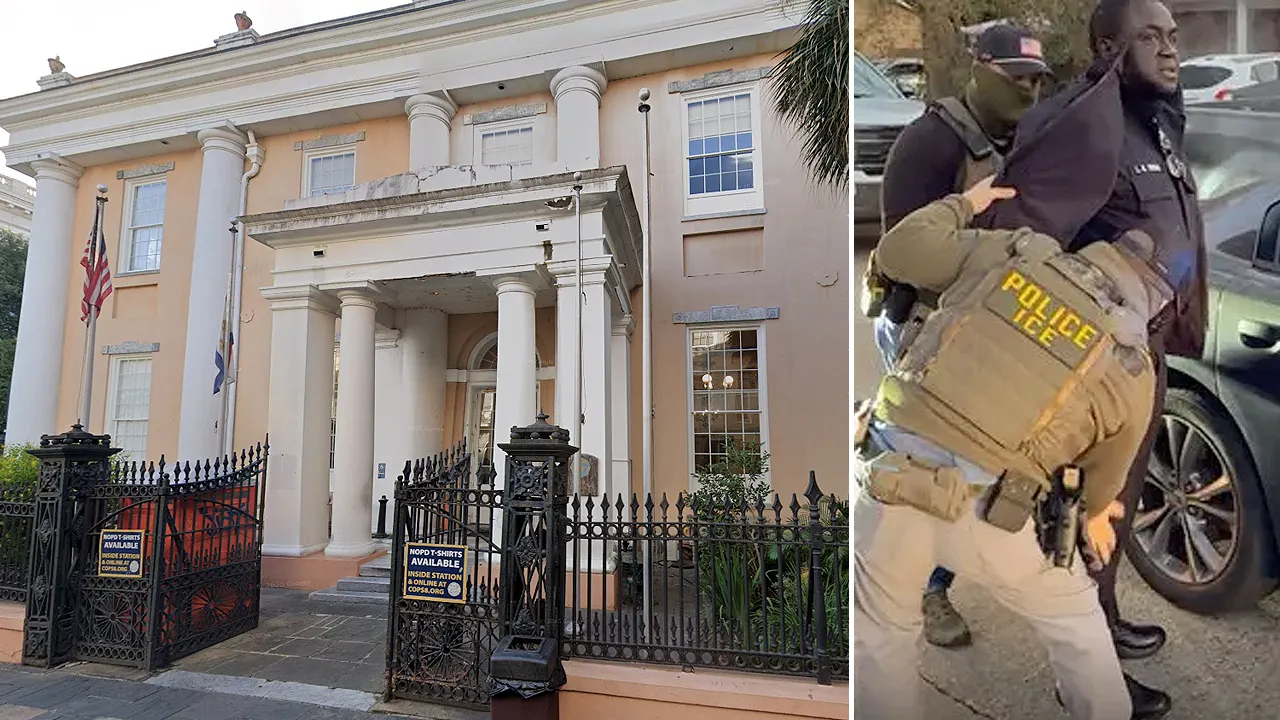
Larry Temah’s American dream began with a visitor visa from Cameroon in 2015. A 46-year-old man seeking a fresh start, he married a U.S. citizen the next year, gaining conditional residency. But beneath the surface, questions lingered—his path to permanent status hit a snag in 2022 when immigration officials suspected fraud. Years earlier, he’d missed court appearances, leading to an in-absentia deportation order. Despite all this, Temah pursued opportunities, landing in the New Orleans Police Department academy just weeks from graduation.
What makes this story so startling is the firearm issued to Temah during his training. As an illegal alien under current law, possessing a gun is a felony. Immigration and Customs Enforcement (ICE) highlighted this grave lapse, arresting him on January 28 in what felt like a chilling oversight. Authorities questioned how a department sworn to protect citizens could arm someone with an active removal process hanging over him. It paints a picture of vulnerability in the system, where badges and bullets were handed over without full vetting.
Temah’s journey reminds us of the complexities of immigration. He worked toward stability, yet undocumented status barred him from valid authorization. ICE’s narrative frames him as a rule-breaker, emphasizing repeated court no-shows and the final, absentia ruling against him. In custody now, awaiting proceedings, his life intersects a broader national debate on who gets vetted, protected, and ultimately, removed. It’s a human tale of aspirations clashing with legal red lines.
Critics from the Department of Homeland Security, like Assistant Secretary Tricia McLaughlin, amplified the outrage. “How can a police force arm illegal aliens?” she asked, tying it to accusations against “sanctuary” policies in places like New Orleans. They portray cities as shields for migrants, sacrificing citizen safety. For Temah, this meant crossing paths with enforcement restoring “law and order” under new leadership, where rhetoric targets far-left stances for emboldening threats.
Yet, the New Orleans Police Department defended their process, calling ICE’s claims misleading. They verified Temah via E-Verify, the online employment eligibility system, and received no detainer notices—matters handled by the Sheriff’s Office. Not a sanctuary city, they asserted full compliance, denying any knowing law-breaking. In their view, he’s not a criminal threat but a recruit in a flawed system that failed to relay crucial details.
This incident sparks empathy for those navigating uncertain status. Temah’s story humanizes immigration debates, showing a man striving for normalcy—marrying, training for a life-saving role—only to face abrupt arrest. It underscores real lives behind headlines: the tension between opportunity seekers and enforcement priorities, and how one man’s path exposes cracks in America’s safety nets and border policies. What if more were scrutinized this way? Or is there mercy for those like him, caught in bureaucracy’s web?