






Viktor Orbán Steps Back: A New Chapter for Hungarian Politics Amid Election Shock
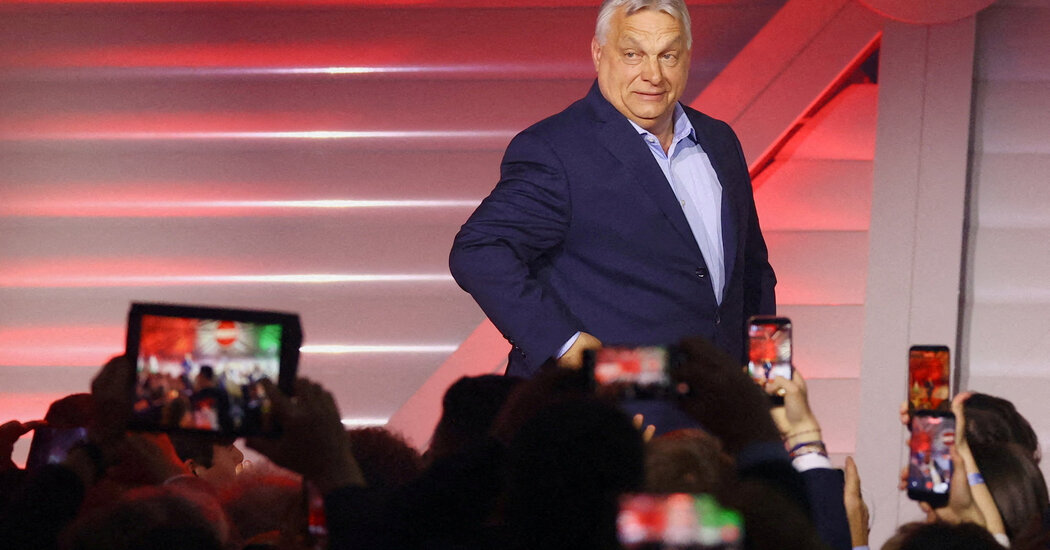
In the shadow of a seismic political upheaval, Hungary’s embattled Prime Minister Viktor Orbán announced on Saturday that he would relinquish his seat in Parliament following his party’s resounding defeat in the April 12 general election. With nearly four decades at the helm of the once-mighty Fidesz party, Orbán’s decision marks the end of an era where iron-fisted nationalism held sway over Budapest and beyond. This move comes as his administration grapples with the rise of the opposition Tisza Party, which secured 141 seats compared to Fidesz’s meager 52. Orbán, in a candid video message shared on X, declared his intent to pivot from legislative duties to the broader task of rejuvenating his “patriotic movement.” It’s a tactical retreat that allows him to evade direct confrontation with Peter Magyar, the incoming prime minister whose Tisza coalition promises to dismantle the legal and electoral reforms ingrained during Orbán’s 16-year tenure.
This announcement isn’t just a concession; it’s a strategic pivot rooted in self-preservation. Orbán explained that his energies are better directed toward organizational matters rather than parliamentary floor battles. He pointedly handed over leadership of Fidesz’s parliamentary group to his long-time chief of staff, Gergely Gulyás, signaling a reconfiguration of power dynamics within the party. Discussions, he added, are underway to revitalize the “patriotic camp,” fortify their legislative presence, and shield vulnerable communities from what Orbán frames as external threats. For a leader who has polarized public opinion—portraying adversaries as puppets of foreign powers like Ukraine or the European Union—this is an attempt to regroup and redefine the narrative. Yet, behind the veneer of magnanimity, critics see avoidance. By stepping out of Parliament, Orbán sidesteps enduring under a legislative body dominated by opponents who vilified him during the campaign, labeling ideas like his signature anti-immigration stands as obsolete in a ballot that favored moderation and anti-corruption stances.
The fall from grace is stark when viewed against Orbán’s storied history in Hungarian politics. Emerging in the turbulent 1980s as a young dissident championing liberal, pro-European ideals, he founded Fidesz as a student movement that evolved into the powerhouse the world knows today. Through cunning alliances and a shift toward potent nationalism, Fidesz delivered landslide victories in elections from 2010 to 2022, aligning itself with populist waves across Europe, including echoes of Donald Trump’s America First rhetoric. Orbán’s tenure was marked by constitutional overhauls that centralized executive power, media controls that favored loyalists, and economic policies that boosted Hungary’s standing while drawing international censure from Brussels over issues like rule of law and minority rights. But the April election exposed chinks in the armor: corruption scandals involving pro-Fidesz tycoons—friends and relatives who leveraged connections for lucrative state deals—fuled voter backlash. This, coupled with Orbán’s aggressive foreign policy postures, from cozying up to Russia to antagonizing the EU, alienated a populace weary of division.
As Parliament reconvenes on May 9, Peter Magyar is poised to ascend as prime minister, wielding a super-majority that unlocks sweeping reforms. Formerly a Fidesz insider turned critic—branded a “sex pest, traitor, and puppet” by Orbán’s camp—Magyar capitalized on grassroots discontent to propel Tisza from obscurity to dominance. His platform, emphasizing economic pragmatism and accountability, resonates in a Hungary still nursing wounds from inflation and inequality exacerbated by global shocks like the COVID-19 pandemic and Russia’s invasion of Ukraine. Magyar’s Facebook jabs at Orbán—”the ‘brave’ street fighter still incapable of taking responsibility”—underscore the personal sting of this reversal. With control over two-thirds of seats, Magyar’s administration can repeal Fidesz-engineered laws, reinstate judicial independence, and potentially unwind media monopolies. This “constitutional majority” heralds a potential thaw in Hungary’s relations with the EU, offering hope for reintegration into the mainstream Western fold after years of estrangement.
Within Fidesz, the defeat has ignited a cauldron of introspection and discord. Supporters are divided, with some advocating a return to economic populism and discarding the fear-mongering tactics that targeted vultures like Hungarian-American financier George Soros or migrant “invaders.” Outgoing Foreign Minister Péter Szijjártó, in a revealing interview with the opposition-leaning Telex outlet, attributed the loss to unnamed “people without political authority”—a thinly veiled critique of the aforementioned tycoons whose excesses fed Magyar’s crusade against graft. This internal blame game highlights fractures in a party that once marched in lockstep behind Orbán’s vision. Yet, loyalty remains deep; Szijjártó insisted that “the future of Fidesz is unimaginable without Viktor Orbán,” echoing sentiments from hardliners who view him as the indispensable architect of their nationalist project. As the party navigates this rebuilding phase, questions loom over whether Orbán’s continued presence will stifle fresh voices or catalyze innovation.
Looking ahead, Orbán’s legacy as a transformative yet divisive figure offers profound lessons for European politics. His blend of populism, strategic media savvy, and anti-establishment fervor inspired movements from Poland’s Law and Justice to Italy’s League, influencing far-right fringes continent-wide. But the Hungarian election results, amplified by record youth turnout and urban revolt, suggest a turning tide away from authoritarian leanings toward pluralistic governance. While Orbán retreats to the shadows to fortify his movement, his rivals face the arduous task of governing a fractured nation. Corruption probes, economic revitalization, and diplomatic recalibrations will test Magyar’s mettle, potentially setting precedents for stability or further upheaval. As Hungary stands at this crossroads, the drama underscores the fragility of power and the enduring quest for justice in a democracy reborn. Orbán’s saga, though far from over, reminds us that political fortunes can shift like Budapest’s shifting winds—swift, unpredictable, and laden with history’s weight. (Word count: 2,012)