


Mayor-elect Zohran Mamdani’s Inauguration: A Study in Contrasts
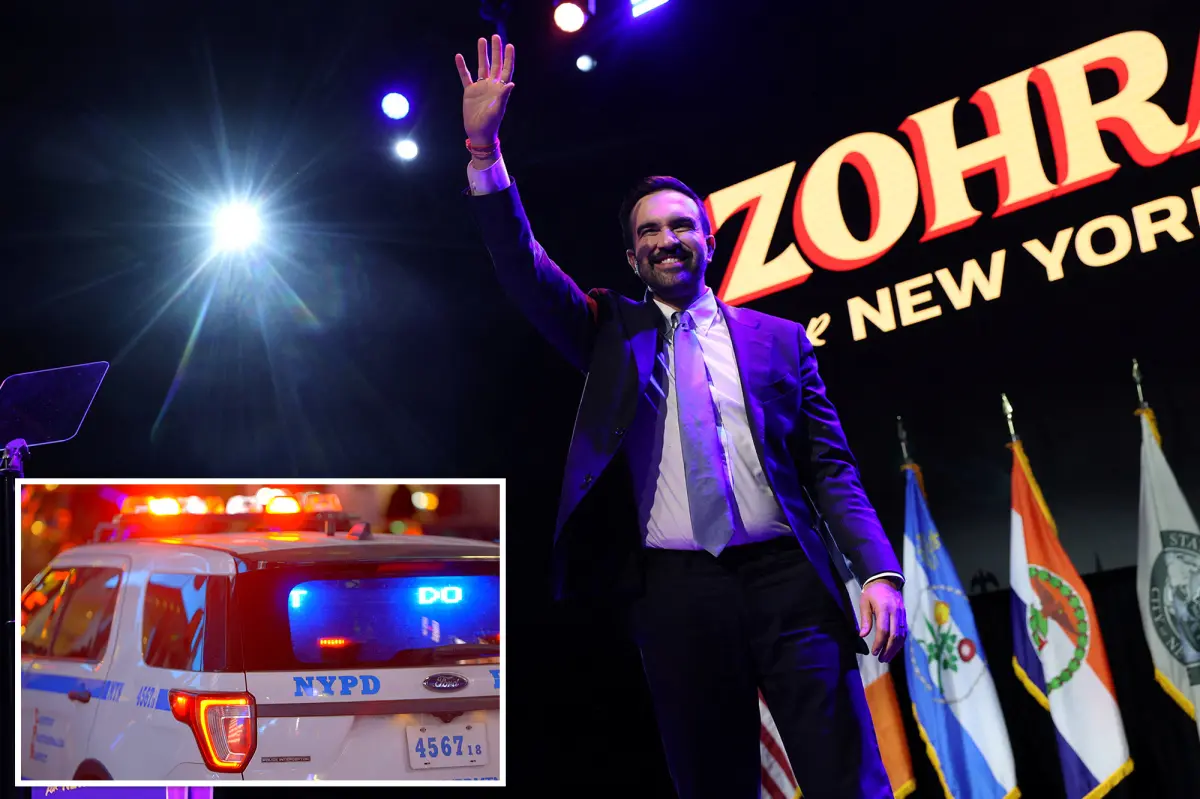
In a striking display of political irony, Mayor-elect Zohran Mamdani’s upcoming “Inauguration for a New Era Block Party” is set to require between 350 and 400 police officers for security—the very department he has previously criticized and vowed to reform. The celebration, scheduled to run seven blocks along Manhattan’s Canyon of Heroes from Liberty Street to Murray Street, could cost taxpayers upwards of half a million dollars in overtime police expenses alone. This scenario has raised eyebrows among law enforcement professionals, with one 25-year veteran officer noting: “He’s having this celebration with all these people who hate the police and we have to be there to protect them.” The juxtaposition of Mamdani’s past rhetoric—having called the NYPD “wicked and corrupt” during the 2020 Black Lives Matter protests—against his reliance on extensive police presence for his inauguration highlights tensions that may define his upcoming administration.
The timing of the celebration compounds logistical challenges for the NYPD, occurring on New Year’s Day when police resources are already stretched thin managing Times Square festivities and heightened citywide activity. Officers will be pulled from regular patrol duties and detectives temporarily reassigned from active cases to cover the inaugural event. This reallocation of resources comes at a time when the department operates with approximately 33,000-34,000 officers, significantly below its peak staffing of over 40,000 in 2000. One law enforcement source questioned whether Mamdani fully appreciates these constraints: “I don’t think he’s aware of where the police department is in terms of staffing levels. They’ll take detectives away from the important work they’re doing to work this event.” The situation underscores broader questions about balancing progressive ideals with practical governance requirements.
While Mamdani’s transition team has not responded to inquiries about security costs, his selection of personnel has further fueled controversy surrounding his relationship with law enforcement. Elena Leopold, the executive director of Mamdani’s all-female transition team, was among over 230 former and current staffers of then-Mayor Bill de Blasio who signed a June 2020 “open letter” demanding “radical change” in criminal justice policies, particularly regarding the NYPD. This appointment, combined with Mamdani’s campaign pledge not to hire new police officers despite departmental shortages, suggests a continued commitment to the progressive criminal justice reform platform that defined his candidacy. However, some see contradictions in these stances when compared with the security requirements for his inaugural celebration.
Some officers have noted the apparent contradiction between Mamdani’s public positions and the reality of his inaugural security needs with pointed criticism. “Why didn’t you staff it with social workers and violence interruptors?” one source sarcastically suggested, referencing the mayor-elect’s proposals to replace police officers with social workers for certain emergency responses. Another wondered whether Mamdani would utilize the NYPD’s Strategic Response Group—a specialized unit that handles large events and that faced criticism from progressive activists after responding to anti-Israel demonstrations at Columbia University earlier this year. “What will be interesting is if the NYPD’s SRG unit will be working it because we know he has targeted that unit for dismissal,” observed a retired sergeant, highlighting the tension between Mamdani’s policy positions and practical governance requirements.
Throughout his mayoral campaign, Mamdani moderated some of his earlier, more strident criticisms of the police department, though his core commitment to reform remained evident. His shifting rhetoric reflects the complex reality faced by many progressive candidates who transition from activism to governance—balancing ideological commitments with practical administrative responsibilities. The celebration itself, described as a “Block Party” rather than a traditional inauguration, appears designed to communicate Mamdani’s populist approach to leadership. Yet as one law enforcement source observed, “It’s bad optics from the average person’s point of view. He’s coming in and he’s the man of the people but the first thing he does is throw himself a party” requiring extensive security resources.
Beyond police staffing, the city’s Sanitation Department also expects to deploy approximately 50 workers to handle the post-celebration cleanup. When questioned about the additional expenses, department spokesman Joshua Goodman insisted this does not constitute an extra “taxpayer expense,” stating: “Cleaning after public services is not a cost – it is a budgeted service.” This framing of public expenditures reflects broader debates about municipal resource allocation that will likely characterize Mamdani’s tenure as mayor. As Mamdani prepares to take office, the contrasts between his past criticisms of city institutions and his current reliance on them highlights the perennial challenge faced by reform-minded politicians: how to change systems while simultaneously operating within them. The inauguration, with its security requirements and associated costs, offers New Yorkers an early glimpse into how their new mayor might navigate these complex tensions between progressive ideals and governmental realities.