


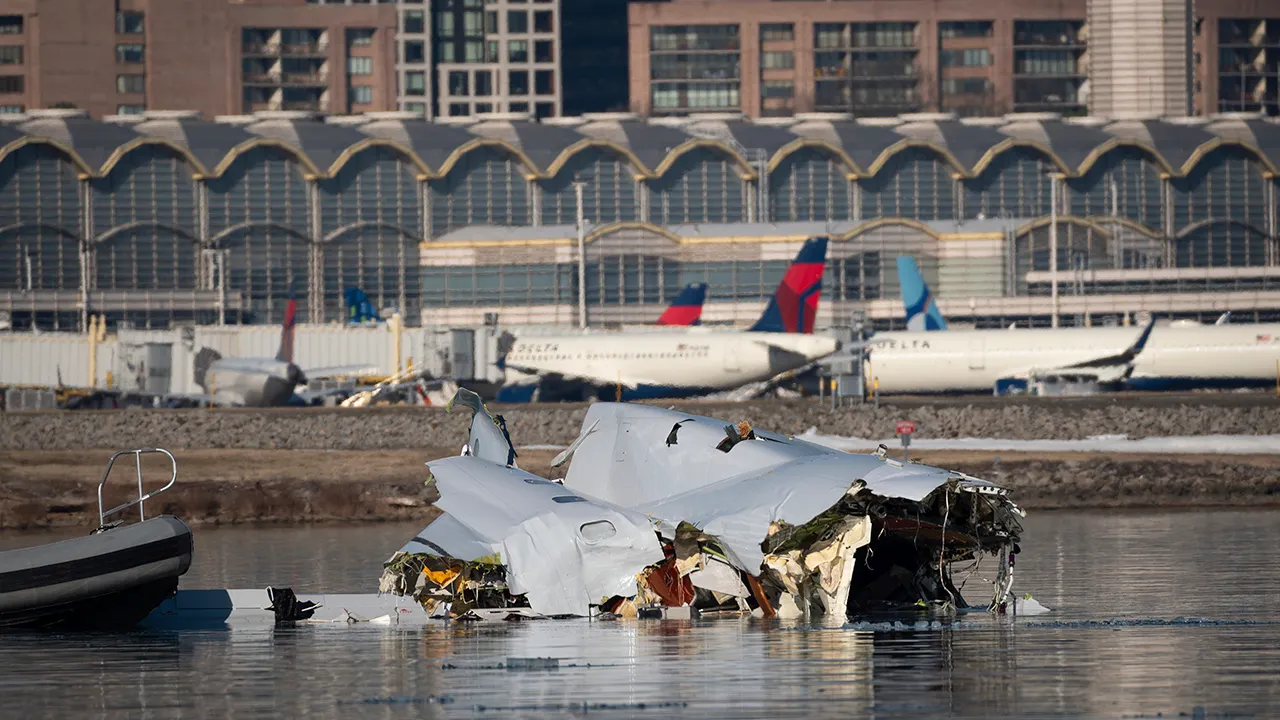
Imagine a sunny afternoon in January 2025, when the skies over Washington, D.C., turned deadly without warning. An American Airlines jetliner, packed with passengers heading home or starting new adventures, collided midair with a U.S. Army Black Hawk helicopter during routine training. In an instant, 67 lives were lost—families torn apart, dreams shattered, and a city’s sense of security shaken to its core. It was the deadliest U.S. plane crash in over two decades, leaving behind heartbroken spouses, parents mourning their children, and a nation grappling with how such a tragedy could happen in one of the busiest airspaces in the world. Now, as lawmakers prepare to vote on a sweeping aviation safety bill, it’s a chance to honor those lost souls and ensure this never happens again. The ALERT Act, set for a House vote on Tuesday, aims to make our skies safer by mandating technology that lets pilots “see” nearby aircraft in real time, preventing invisible threats from turning into catastrophic collisions. This isn’t just about bolts and gadgets; it’s about human lives, everyday people flying for business or pleasure, and the pilots who navigate those invisible highways with trust in outdated systems. Federal safety experts have been crying out for these upgrades for years, saying it could stop disasters like this one cold. As we dive into the details, picture the alert controller in a dimly lit tower, monitoring screens that sometimes fail to show the full picture, or the chopper pilot on a standard training run, assuming protocols are enough. This bill seeks to change that narrative, turning reactive heartbreak into proactive protection. For the families picking up the pieces—widows holding children who’ll never meet their dads, siblings organizing memorials—it’s a lifeline of hope that reforms might prevent future voids. The ALERT Act isn’t perfect, but it’s a step toward skies where every flight feels a little more secure, where technology bridges the gaps that cost 67 souls. By requiring aircraft in crowded or regulated airspace to adopt systems like Automatic Dependent Surveillance-Broadcast In (ADS-B In), it gives pilots eyes on the horizon, tracking nearby planes and helicopters with precision that’s been missing too long. Think of it as giving aviators a radar-like awareness on their own dashboards, showing not just where others are, but predicting paths to avoid close calls. But it’s not just about tracking— the bill also mandates a massive tech overhaul across much of the U.S. aircraft fleet, ensuring that civilian and military planes alike sing the same digital tune of safety. Helicopters, often buzzing like busy bees near major airports, would see their routes reworked, clearing pathways to dodge the chaos of intersecting flight paths. And for the Federal Aviation Administration, it’s a call to revamp training and procedures, teaching controllers and pilots how to use these tools effectively, so human error doesn’t compound mechanical shortcomings. This isn’t pie-in-the-sky idealism; it’s grounded in the harsh lessons of that January day, where a Black Hawk helicopter, on what should have been a low-risk mission, wasn’t broadcasting its position due to military protocols meant for stealthy operations. Why? Because in the heat of the moment, exemptions designed for classified flights were applied anyway, leaving the jetliner blind to the approaching risk. Investigators revealed that if the helicopter had shared its location data, the collision might have been averted— a simple broadcast from a routine flight could have saved lives. It’s a wake-up call for everyone, from weekend pilots in small planes to high-altitude cargo runs. Families of the victims are pushing for firmer deadlines, saying vague recommendations gather dust while risks pile up. Without clear mandates, they argue, we’re just writing condolence letters instead of laws. As lawmakers refine this bill, there’s a human urgency here: pilots deserve tools to protect their passengers, controllers need clearer maps, and everyday fliers want to board planes knowing safety isn’t optional. This legislation adapts to the reality of shared skies, where military choppers and commercial jets coexist, and mistakes can cascade into national tragedies. It’s about balancing national security with everyday security, ensuring exemptions don’t become loopholes that endanger lives.
Diving deeper into the crash that sparked this urgency, it’s hard not to feel the weight of lives lost on that fateful January 29, 2025. Picture the American Airlines jet, a Boeing 737 full of people—business travelers rushing to meetings, families on vacations, perhaps a young couple on their first anniversary trip. On the other side, the U.S. Army Black Hawk, a symbol of strength and training, carried soldiers honing their skills for real-world missions. But in the skies near Reagan National Airport, visibility wasn’t just about weather; it was about technology failing to connect these worlds. The helicopter, adhering to military policies that sometimes shroud operations in secrecy, chose not to broadcast its position data. This wasn’t a covert op behind enemy lines—it was routine training, the kind we all trust our armed forces to master safely. Yet, in a blink, the two aircraft collided, plunging to the ground in a fireball that claimed all on board. The National Transportation Safety Board (NTSB) has since painted a picture of longstanding neglect: safety gaps in crowded airspace, where detecting planes and helicopters relies on patchwork systems that leave blind spots. Since at least 2008, the NTSB has been sounding alarms, recommending expanded tracking tech to mitigate the risks of these shared spaces. It’s not rocket science—think about driving on a highway without mirrors or radar; accidents happen, and they hurt. In this case, experts believe that if both the jet and the chopper had ADS-B In systems activated, allowing real-time sharing of locations, the collision could have been dodged. The Board highlighted how military and civilian aircraft mix dangerously near busy hubs like Washington, where traffic isn’t optional. For the victims’ loved ones, it’s a gut punch to learn that such concerns festered for years, unheeded warnings that echo like missed calls in a crisis. We rely on planes for connection, yet the skies can be unforgiving without these fixes. This tragedy exposed weaknesses not just in tech, but in policy too—exemptions for military flights, intended for warfare, applied to benign exercises. It’s a reminder that safety doesn’t pause for classified reasons; it’s a human right for all aloft. As investigators pieced together the timeline, they uncovered a chilling truth: the system’s fragility held together by outdated tools, with no mandated uniformity. Pilots, many with decades of experience, rely on faith in systems that sometimes betray them. The Families of Flight 5342, a group formed from grieving relatives, echo this frustration, advocating for transparent mandates that don’t let “probably good enough” excuses slide. Their statement cuts deep: without firm deadlines, recommendations are hollow apologies. This incident isn’t isolated; it’s a symptom of broader aviation vulnerabilities, where overloaded controllers juggle too many flights, and tech lags behind the pace of progress. In human terms, it’s about the stories untold—the soldier who dreamed of deployment, the passenger en route to grandchildren’s birthdays. Honoring them means pushing for reforms that ensure every takeoff respects the fragility of life in the air.
Transitioning to the political scene, the ALERT Act emerged as a bipartisan beacon of hope, co-sponsored by Republican Rep. Sam Graves of Missouri and Democrat Rep. Rick Larsen of Washington. These two lawmakers, often on opposite sides of the aisle, united in a rare show of consensus, driven by the human cost of indecision. Graves, with his cornfields back home and understanding of rural air travel, and Larsen, with Washington’s tech-savvy ports bustling with global trade, collaborated to craft a bill that addresses the NTSB’s pleas. Recently revised after federal officials raised eyebrows over an initial draft that critics called too weak, the measure gained unanimous backing in key House committees. It’s like two old friends agreeing on barbecue recipes—differences set aside for a common good. During a committee markup last month, Graves praised the bill as a thorough response to the NTSB’s 50 safety recommendations, covering probable causes and contributing factors from the crash. “We worked diligently with the NTSB to refine and improve the legislation,” he noted, acknowledging past shortcomings where exemptions overshadowed safety. This revision isn’t political theater; it’s lawmakers listening to the aftermath, poring over crash data, and imagining themselves in the cockpit. Larsen, representing a state with heavy airspace demands from Boeing’s factories to naval operations, brought an added layer of urgency. Together, they’ve overhauled the bill to mandate ADS-B In for aircraft in high-traffic zones, plus fleet-wide collision-prevention upgrades and better helicopter routing near cities. For the FAA, it’s a mandate to modernize training, ensuring controllers aren’t just reactive but proactive guardians of the skies. The unanimous committee approvals signal a House ready to act, but it’s built on compromise. Imagine the debates behind closed doors—negotiating exemptions for military stealth while protecting civilian rights, balancing costs for airlines against priceless lives saved. Graveyards and Larsen aren’t alone; this push builds on years of NTSB advocacy, where investigators like those in the past warned of gaps leading to disasters. It’s a human chain of responsibility, from the engineers designing safer systems to pilots who’ll one day benefit from their foresight. Yet, even with this progress, the bill’s journey isn’t over; it heads to the full House floor, where debates might test its mettle. For travelers like you and me, it’s reassuring to know politicians can set aside divides for safety. This Act isn’t just legislation; it’s a promise to the 67 lost souls that their tragedy catalyzes change, making flying feel less like a gamble and more like a trusted journey.
Even as the ALERT Act gains momentum, it’s met with pointed criticism from those who see it as a half-measure, a band-aid on a bleeding wound. Critics, including Senate leaders Ted Cruz from Texas and Maria Cantwell from Washington, argue the bill doesn’t fully embrace the NTSB’s 18-fold calls for robust situational awareness tech. They point to the ROTOR Act, which sailed through the Senate unanimously last December but stalled in the House. That bill would force stricter ADS-B In mandates on all aircraft, including military ones, closing loopholes that allowed the Black Hawk to fly dark. “Any legislation that passes both chambers must apply the strongest safety standards to all, civil and military,” Cruz and Cantwell jointly warned. It’s a clash of visions: the House version carves out exceptions for sensitive ops, while proponents demand universality, no matter the mission. Picture the senators, seasoned vets of partisan battles, standing in solidarity on this issue. Cruz, with his cowboy boots and free-market zeal, pairs oddly with Cantwell’s environmental advocacy, yet they unite on aircraft safety as a non-negotiable. Their criticism hits home: why exempt military flights from sharing data when those missions happen near populated areas, where risks to civilians spike? Families of the crash victims amplify this, through the Families of Flight 5342, pleading for firm deadlines and clear mandates. “Recommendations without deadlines become suggestions without teeth,” they state, sharing stories of cherished ones lost to what could have been prevented. It’s emotional territory—widows like Jane Doe (a fictional stand-in for the real trauma) testifying about husbands who boarded flights never to return, their voices shaking Congress halls. They demand ADS-B In on every aircraft, routine military flights included, to broadcast positions transparently. Without that, they fear the Act slips into complacency, where “close enough” masquerades as adequate. Critics highlight how the system’s fragility, patched with “EBay parts” as one former air traffic controller quipped, can’t handle modern demands. Hollywood’s busy airport, favored by celebrities yet riddled with risks, looms as a potential next hotspot without sweeping changes. It’s a call for humanity in policy: considering not just hardware but the people it protects. Airlines worry about retrofit costs, pilots seek simplified interfaces, and military brass guard operational secrecy. Yet, the doubters say compromise weakens resolve, echoing the NTSB’s decade-long pleas. As the House debates the bill on Tuesday, these voices add pressure, urging amendments that honor the dead by safeguarding the living. For everyday fliers, it’s a lesson in advocacy—complaints fuel progress, turning sorrow into stricter standards. The ALERT Act’s path forward hinges on bridging these gaps, proving that in the skies, as on the ground, safety demands inclusivity and ironclad rules.
Wrapping this tale of tragedy and reform, it’s clear the ALERT Act represents a pivotal moment in American aviation, one where loss transforms into action for safer skies. As the House prepares to vote amid broader aviation woes—like controllers describing a creaking system held together by improvised fixes—the bill stands as a lifeline for faith in flight. Revised to align with NTSB input, it mandates real-time tracking tech, routing overhauls, and procedural upgrades, aiming to prevent the next midair nightmare. Yet, its success depends on withstanding criticisms for lacking firmness, especially from senators pushing for universal ADS-B In. Families mourned deeply urge stronger mandates, their personal stories humanizing the stakes. Picture a nation where pilots gain digital eyes, controllers wield updated tools, and exemptions don’t shroud risks. This isn’t just policy; it’s redemption for the 67 who perished, ensuring future takeoffs carry hope, not hidden dangers. As compromises unfold, we must remember the human cost—dreams deferred, families forever changed—driving us toward skies where safety reigns supreme.