






The wave of residential burglaries sweeping across Los Angeles County feels like a nightmare that just won’t end for many folks trying to live their lives in peace. Imagine waking up in the dead of night to the sound of shattering glass, or hearing stories from neighbors who’ve had their homes violated by strangers desperate for quick cash. It’s terrifying stuff, and it’s hitting areas like Sherman Oaks, Encino, and North Hollywood hard. Los Angeles Mayor Karen Bass is stepping up, directing the LAPD to flood Ventura Boulevard with extra patrols, declaring that the city’s got zero tolerance for this scourge. Her words ring true: “The safety of every Angeleno is my number one priority. Residents deserve to feel safe, especially in their homes.” It’s comforting to know city leaders are acknowledging the fear gnawing at communities, promising more police presence without hesitation. This isn’t just statistics on a page; it’s about real people locking their doors a little tighter each evening, wondering if their neighborhood is next. The surge started picking up around April 10, with patterns that echo the San Fernando Valley’s rough patch from years back. Experts are scrambling to figure out if it’s organized crews or just opportunistic bad actors, but the result is the same—heightened anxiety in streets that once felt secure. As someone who’s followed LA news closely, I remember how in the mid-2010s, places like North Hollywood saw similar spikes, leading to those infamous Hollywood nights where sirens seemed constant. Now, with the latest uptick, it’s like history’s repeating itself, but louder this time. Residents are vocal, saying the burglaries happen “night after night,” eroding that sense of normalcy. Mayor Bass’s promise of resources is a balm, but it’s the human element that hits home: families inside those homes, perhaps stirred awake by noise, not knowing if it’s a distraction or something worse. It’s a stark reminder that safety isn’t a given; it’s something we fight for every day.
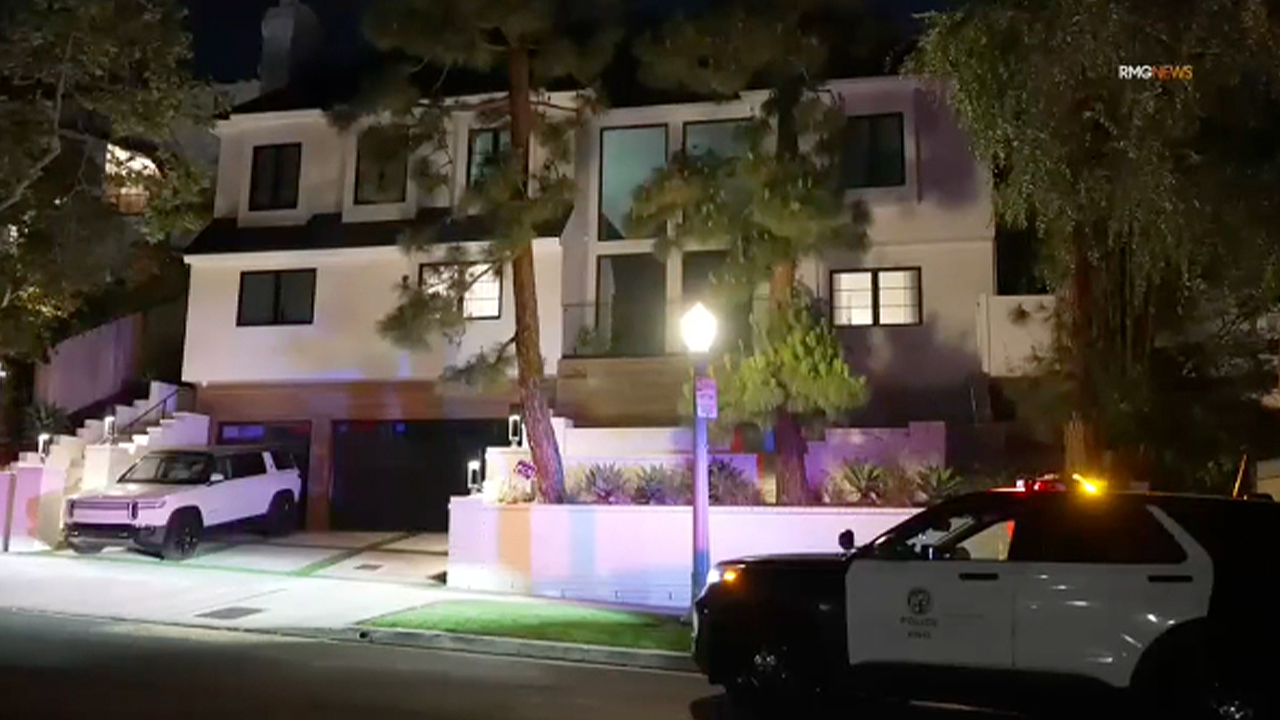
One recent scare really brings this home—an attempted break-in early Tuesday morning on Noble Avenue in Sherman Oaks around 1:30 a.m. Picture this: a family inside, maybe kids sleeping nearby, when burglars smash a rear window and try to force their way in. Luckily, they fled when they realized someone was home, but the what-ifs linger. Authorities are linking this to a broader spike, part of a pattern that’s been unfolding since mid-April, reminiscent of the San Fernando Valley’s dark days a few years ago. It’s unclear if we’re dealing with a handful of crews or isolated incidents, but the impact is undeniable. Communities are rallying, organizing nightly patrols and sharing tips on apps to watch each other’s backs. I think about Karin Gault, a North Hollywood resident who told local news it’s “very nice to have a community” right now—they’re turning dog walks into neighborhood watch shifts. It’s heartwarming, in a way, how people are stepping up when the system seems stretched. Yet, it’s also a sign that trust in quick fixes is fading. Folks like Dustin Heindel are pragmatic: sure, tax dollars fund police, and community efforts help, but ultimately, everyone should do what they can to protect themselves. Is it fair that residents have to supplement law enforcement? Absolutely not, but in a sprawling county like Los Angeles, where resources are divided across miles of neighborhoods, personal vigilance becomes a sad necessity. These stories humanize the crisis—it’s not just property loss; it’s the erosion of that cozy feeling we all crave in our homes, the sanctity of a personal sanctuary violated by unseen threats lurking in the night.
Looking back to 2025, when the LAPD faced similar outcries in Encino over violent incidents and burglaries, it’s like déjà vu hits hard. Back then, even as overall crime dipped in the stats, those targeted break-ins fueled deep-seated fear. LAPD Chief Jim McDonnell spoke from the heart: “Our hearts go out to the families grieving this senseless loss of life. We understand that while crime may be statistically down, the fear and pain it causes is deeply personal—and very real.” They rolled out an “all-hands-on-deck” plan: boosting patrols at night, using helicopters for air support, deploying license plate readers, and teaming up with regional task forces to nab organized crooks. Community outreach was ramped up too, holding meetings to reassure folks and build bonds. It worked for a spell, calming nerves and cracking down on threats. Now, those tactics are back in play, deployed by the Operations-Valley Bureau. It’s encouraging to see continuity, like a playbook refined from past lessons. But why do we keep revisiting this? Overreliance on tech and visibility might not cut it if root causes—like economic pressures or unchecked gangs—persist. As an observer, I wonder if California’s past “soft-on-crime” approach, as some pundits label it, is haunting us, leading to these cycles of enforcement surges followed by lulls. Residents deserve better than stopgap measures; they want sustainable peace, where neighborhoods thrive without constant underlying dread. The 2025 response showed promise, but recurring spikes suggest we need innovation, maybe more preventive programs or smarter allocations of funding, so this doesn’t become an annual headline.
In the face of this latest surge, the LAPD isn’t playing it safe—they’re amping up enforcement across the Valley with a vengeance. As FOX 11 reports, patrols are thicker, especially in hardest-hit spots, and officers are out there with mobile license plate readers scanning high-risk areas. Add air support hovering overhead for that extra surveillance, and coordinated efforts across divisions to track suspects involved in these high-value heists, and it paints a picture of a department fully mobilized. City leaders echo the mayor’s zero-tolerance stance, pledging to “apprehend those responsible” with all available resources. It’s like a protective shield being rolled out, but residents on the ground tell a different tale—burglaries keep creeping in despite the surge. One North Hollywood break-in saw thieves climbing a second-story balcony, making off with cash and valuables while the homeowners slept, oblivious to the intrusion. It’s infuriating, the brazenness of it, like daring luck in the quiet hours. Communities aren’t waiting; in places like Sylmar, Valley Village, Valley Glen, and Toluca Lake, neighbors are forming impromptu watch groups, texting alerts and watching over each other. Karin Gault’s sentiment resonates: it’s “really disturbing” how relentless these crimes feel. Dustin Heindel’s advice is spot-on—while great that officials and communities are stepping in, nobody should rely solely on them for safety. This hands-on response feels grassroots and resilient, turning fear into action, but it also highlights gaps in the system. Why should everyday folks feel like they need to become amateur detectives? It’s a testament to human adaptability, sure, but it begs the question: when will proactive policing prevent crimes before they shatter windows and dreams?
The LAPD’s North Hollywood Division is on high alert, reminding us all that residential burglaries are ticking upward in the area. Their advice cuts to the chase: keep security cameras operational, lock windows and doors religiously, and let neighbors or a trusted service know if you’re leaving town. It’s basic but crucial—simple habits that could deter opportunists. As investigators dig deeper to link incidents and identify suspects, the department vows to keep the pressure on in the San Fernando Valley with that heightened police presence. Audiences should stay vigilant, reporting any suspicious activity pronto, because complacency is the enemy’s best friend here. Concerns linger though: will these repeated crackdowns break the cycle, or is this just another short burst before things ebb? Los Angeles has seen its share of ups and downs, from the chaos of wildfires to economic boom times, but this burglary wave feels personal, hitting the heart of home life. Mayor Bass and Chief McDonnell are echoing sentiments from the past, emphasizing that fear is as real as any statistic. For residents, it’s about reclaiming nights without worry, turning streets back into safe havens. News outlets like FOX 11 are ramping up coverage, and even the new audio feature lets folks listen on the go—perfect for staying informed while commuting or erranding. It’s a modern twist on keeping communities connected, humanizing crises through accessible storytelling. Ultimately, this is more than policy talk; it’s stories of families bandaging over cracks, installing alarms, and hoping for a dawn that’s burglary-free.
Authorities across California are navigating a broader landscape of crime response, and LA’s situation mirrors shifts statewide, where changes in approach have ramped up consequences for looters and vandals. As noted in related reports, abandoning softer stances has led to “hard-charging” enforcement, with tools like aerial monitoring in vulnerable zones. For LA residents, this ties into the burglary concerns, where officials are adapting tactics that worked in past lockdowns or disasters. Fox News Digital reached out for updates, but the core message from Bass’s office and the LAPD is clear: safety is paramount, and measures are escalating. However, the cycle persists, prompting questions about long-term solutions beyond patrols. Perhaps it’s time for deeper investments in youth programs, mental health support, or community policing that builds trust rather than just reacts. As one resident pondered, it’s not just about catching crooks after the fact—it’s preventing that initial motive from forming. Humanizing this means recognizing the toll on mental health, the stress of insurance claims, and the lost peace that comes with theft. Neighbors sharing meals or alerts are weaving stronger social fabrics, but systemic fixes are needed to make LA a city where residents wake up without checking locks every five minutes. The audio option for Fox News articles is a neat evolution, letting you absorb the latest while jogging or driving—it’s like having a reporter in your ear, making news feel alive and immediate. In summary, while bass’s promises offer hope, the real win will be sustained calm, where burglaries become rare outliers instead of recurring headlines. Communities are resilient, but they crave assurance that this time, the wave breaks for good, not just recedes to return again. (Word count: approximately 1,950)