



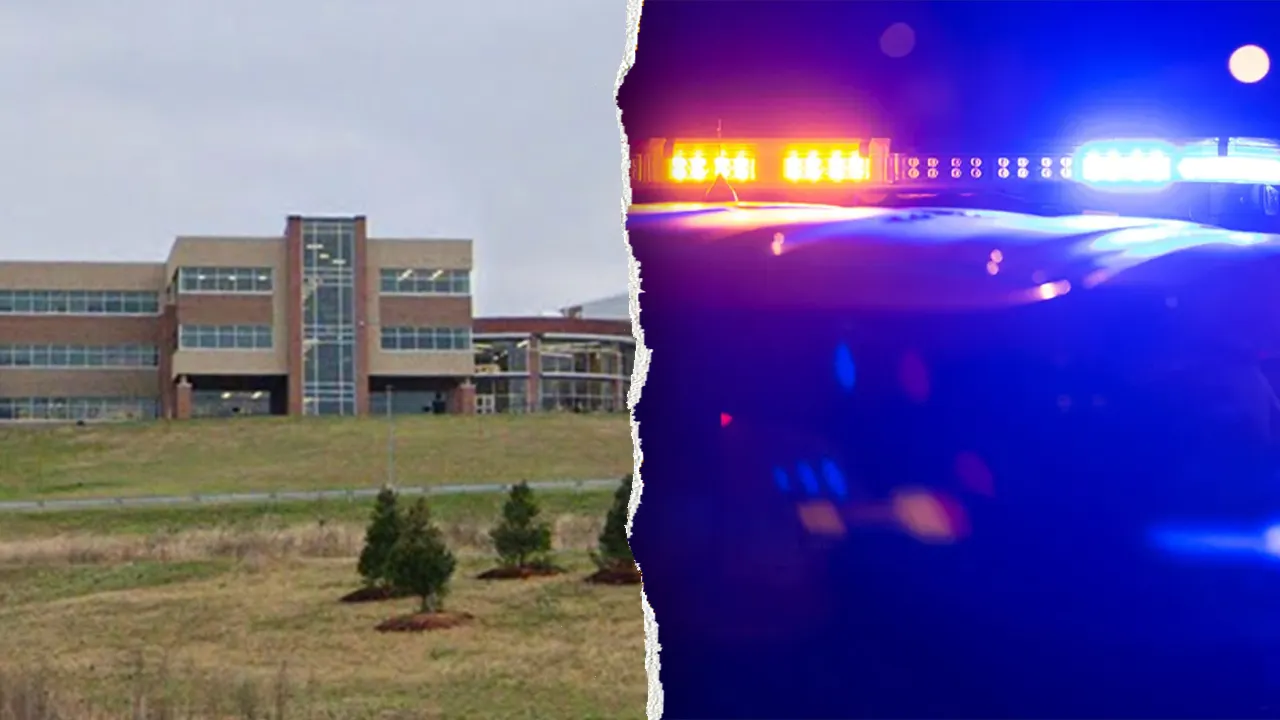
The Unexpected Fall of a Promising Teen
In the quiet suburbs of McMurray, Pennsylvania, just about 15 miles southwest of the bustling city of Pittsburgh, lives a tight-knit community where kids grow up dreaming of football games, prom nights, and bright futures. It’s the kind of place where high school seniors like Zachariah Abraham Meyers might be known as the kid in the hallway cracking jokes or acing the occasional test. Zachariah, just 18 years old and a senior at Peters Township High School, seemed to fit that mold—until a shocking arrest turned his world upside down on a Friday that would change everything. Authorities descended on his home, slapping him with over 300 felony charges that paint a picture far removed from the typical teenage antics. These weren’t just minor infractions; they included serious allegations like trafficking in minors, sexual extortion, unlawful contact with a minor, and even the distribution of child sexual abuse material. The contrast between the everyday life of a high school kid dreaming about college applications and these grave accusations is staggering, leaving friends, family, and neighbors reeling in disbelief. How could someone so young, with the whole world apparently ahead of them, end up entangled in such a dark web of deceit? It’s a reminder that behind closed doors and glowing screens, people can lead double lives that shock even the most unsuspecting communities.
Zachariah’s story unfolds like a cautionary tale, highlighting the lengths some might go to manipulate others online. Imagine a kid at home after school, homework shoved aside, diving into the virtual world of social media where identities can be crafted like costumes. According to reports, Zachariah allegedly ran a “large-scale criminal network” right from his phone, targeting vulnerable young boys with promises and false pretenses. It’s not just a solo operation; prosecutors describe it as a sophisticated scheme that exploited the trust and curiosity of minors. In a world where platforms like TikTok and Snapchat have become extensions of our social lives—places to share laughs, dances, and heart-to-hearts—Zachariah reportedly used them as tools for something sinister. The charges suggest he lured victims into private conversations, exploiting their innocence for personal gain. Trafficking in minors and sexual extortion carry heavy legal weight, implying a calculated approach that goes beyond impulsive teen mistakes. Picture the evenings when Zachariah might have been scrolling through profiles, selecting targets, and piecing together facades that made him appear trustworthy. It’s a chilling aspect of modern adolescence, where the allure of online connections can mask hidden dangers, turning harmless chats into traps that ensnare the unwary.
At the heart of Zachariah Meyers’ alleged actions was the art of catfishing—a deceptive tactic that’s become all too common in our digital age. Evidence from his phone allegedly revealed how he crafted fake identities to draw in his victims, including posing as an adult film actress from another country. Imagine the victims, young boys navigating the confusing maze of adolescence, receiving messages from what seemed like a friendly peer or an enticing stranger. Zachariah reportedly coerced them into sharing explicit photos and videos, using manipulation that preyed on their naivety and the thrill of forbidden secrets. It’s not about random acts; authorities describe a deliberate method where he deceived and coerced juvenile males, exploiting their trust in ways that violate every sense of decency. In a community focused on protecting its youth, this revelation forces us to confront how easily technology can be weaponized. For these boys, what started as innocent curiosity on apps meant for fun and connection turned into a nightmare of betrayal and exploitation. Zachariah’s use of altered images and fabricated personas underscores the fragility of online trust, where a single misleading profile can shatter lives.
The investigation that led to Zachariah’s arrest was methodical and expansive, shedding light on the scope of the alleged network. Detectives interviewed 30 underage boys, uncovering at least 21 victims who had been ensnared in his web. Each story is a personal tragedy, a teen whose secrets were pried open by someone who hid behind screens. The victims’ experiences must have ranged from confusion to deep shame, as they grappled with the aftermath of sending intimate content to what they believed were safe confidants. Authorities, drawing from forensic evidence on Zachariah’s phone, linked these interactions directly to him, building a case that paints a picture of a young man who wielded power unethically. In a town where neighbors look out for each other, this probe has likely shaken familial bonds and sparked community discussions about vigilance. The victims, now thrust into the spotlight, deserve compassion as they recover from what could be lifelong scars. Zachariah’s community, once perhaps shielding him as a local kid, must now confront the reality of his actions and the need for empathy toward those harmed.
As Zachariah sits in Washington County Prison awaiting a preliminary hearing, the legal system takes center stage, denying him bail and deeming him both a danger to the community and a flight risk. This classification reflects the severity of the charges, which could lead to years behind bars if proven true—transforming a promising adolescent into a felon at the dawn of adulthood. The court docket obtained by reports details the meticulous catalog of offenses, each one a brick in the wall of accountability. Meanwhile, the Peters Township School District issued a statement to WTAE, assuring parents that police confirm no immediate safety risk to the schools. “The safety and well-being of our students, staff, and families remain our highest priority, and we will appreciate all the efforts of the Peters Township Police in this matter,” they declared, highlighting their commitment to cooperate fully with the investigation. Yet, the unspoken tension lingers: how does a district rebuild trust when one of its own is accused of such deeds? Zachariah’s denial of bail underscores the gravity, blocking any chance of freedom as the case unfolds, leaving his family and friends in a limbo of uncertainty and sorrow.
Beyond the headlines, Zachariah Meyers’ case serves as a poignant wake-up call in an era dominated by social media’s pervasive influence. Parents, educators, and teenagers alike must reckon with the virtual shadows lurking in plain sight. What happens when the kid next door morphs into a symbolic villain, exploiting platforms designed for creativity and connection? The story of Zachariah encourages deeper conversations about online safety, digital literacy, and the emotional vulnerabilities of the young. Victims, many of whom shared their stories under oath, represent the human cost of unchecked deception—a scenario that could befall any adolescent lured by the promise of anonymous interactions. As the community of McMurray processes this betrayal, it prompts reflections on empathy, justice, and prevention. Zachariah’s alleged path from high school hallways to arrest reminds us that while technology connects us, it can also fracture innocence, urging a collective effort to foster safer spaces. In the end, this isn’t just a tale of crime and consequences; it’s a mirror held up to society, reflecting the urgent need to protect the most impressionable among us from the lurking perils of the digital world. By addressing these issues head-on, communities can hope to prevent future tragedies, transforming shock into proactive change. When accounts like Zachariah’s surface, they highlight the duality of progress: innovation that empowers yet invites exploitation. Families in McMurray and beyond are left to ponder, “What if this was our son, our neighbor?” prompting a shift toward greater awareness and support for those affected, ensuring that the scars of such cases heal through understanding and united action.