


In the bustling world of American politics, where public figures often navigate personal lives under intense scrutiny, California Governor Gavin Newsom’s latest memoir, “Young Man in a Hurry,” published on February 24 by Penguin Press, stands as a candid reflection on ambition, mistakes, and redemption. At 58, Newsom has long been a polarizing figure—a Democrat known for his progressive stances on climate change, homelessness, and social justice—but he’s also grappling with the shadows of his past romances that occasionally overshadowed his rising star. As someone who’s watched countless leaders juggle fame and folly, I can’t help but feel a twinge of empathy for Newsom, who seems genuinely introspective in this book. From his early days as the charismatic mayor of San Francisco, dubbed “Mayor McHottie” by the local press for his youthful charm and flair, to his path toward a potential presidential run in 2028, Newsom opens up about a love life that’s as colorful and complex as the Golden State’s vineyards. He’s defended his decision not to delve deeply into every fling, arguing that some stories are private, yet the memoir still spills plenty of beans on betrayals and bold choices. It’s a reminder that even governors are human, shaped by desires, regrets, and the unrelenting gaze of the public eye. In an era when authenticity can be a political superpower, Newsom’s willingness to confront his past feels like a bold step toward reinventing himself as a disruptor ready to challenge figures like Donald Trump. But with rumors swirling about his next moves, the book isn’t just nostalgia—it’s a strategic play, allowing him to control the narrative before critics do.
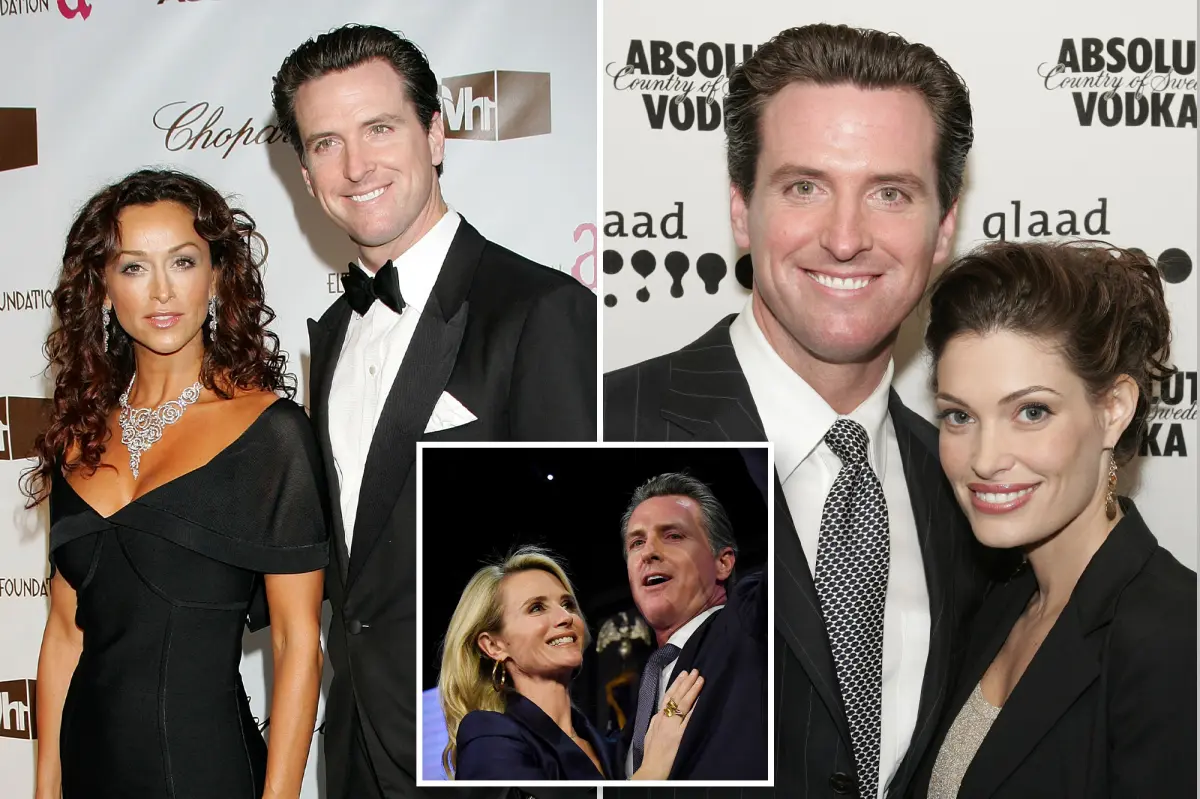
Diving into the heart of his confessions, Newsom recounts what he calls “the worst betrayal of my life”: a two-year affair with Ruby Rippey-Tourk, a staffer who was married to his deputy chief of staff at the time. This scandal, which erupted in 2007 during his divorce from his first wife, Kimberly Guilfoyle—a fiery figure now dating Donald Trump Jr.—highlights the messy intersections of politics and passion. Imagine being in the position of power that Newsom held as mayor of San Francisco, a position rife with long hours and high stakes, where personal relationships can become tangled webs of loyalty and deceit. He was navigating the end of his marriage, which had burned brightly but faded amid the city’s vibrant chaos, when Ruby entered the picture. She was someone close to his inner circle, trusted and indispensable, yet the affair compromised everything. Newsom describes the guilt and pain with a rawness that makes you pause—how could someone so intelligent make such a profoundly human error? The exposure came after Ruby’s husband, Alex Tourk, resigned in shock upon learning of it, compounded by her battle with alcoholism and recovery. It’s a story that echoes the real emotions many feel in complicated relationships: love’s intoxicating pull clashing with duty and consequence. Newsom doesn’t shy away from admitting it was a low point, yet he frames it as a lesson in integrity. Reading this, I think about how forgiveness and growth come from owning up, and it humanizes him beyond the headlines, showing a man who’s evolved, albeit painfully, from youthful indiscretions.
One of the memoir’s most intriguing omissions comes in Newsom’s handling of his relationship with Brittanie Mountz, a 19-year-old model and college lacrosse star when they met in 2006. Just a year after the Rippey-Tourk affair, when Newsom was 39, the two were spotted together at high-profile events like the San Francisco Symphony’s gala, sparking whispers and tabloid frenzy. In a city known for its open-minded vibe and Hollywood glamour, this pairing raised eyebrows—mostly because of the age difference and the questions it evoked about appropriateness in leadership. Newsom, always the bold one, had a reputation for charm that could sweep people off their feet, much like a modern-day prince in pedestrian’s clothes. Yet, in the book, he chooses to gloss over the details, telling the New York Times it amounted to just “a few dates.” This reticence contrasts sharply with his detailed recounting of the affair, leaving readers to speculate about what he leaves unsaid. Was it the risk of fueling more rumors, or a genuine commitment to privacy? Mountz herself faced public backlash, accused of altering her age to 26 on MySpace and even of underage drinking when photographed with a wine glass at a premiere—defenses from Newsom’s spokesman included claims that he didn’t give her the drink and hadn’t noticed any drinking. It’s a snapshot of youth temptation in a spotlight, where innocence can be misconstrued, and power imbalances loom large. As someone recounting this, it reminds me of the fragility of reputations; Newsom’s silence here might protect both parties, but it also leaves a gap in the full human story.
Public scrutiny, as we all know from celebrity scandals, can amplify the smallest details into hurricanes of judgment. For Newsom, the chatter around his liaisons wasn’t just gossip; it shaped perceptions of his character at a time when he was building his career. The media dubbed him with that playful “Mayor McHottie” moniker, but beneath the surface, it masked deeper questions about ethics and impulse. In the memoir, he grapples with how these relationships affected his family, his staff, and his role as a leader—imagine the dissonance of campaigning for civic responsibility while wrestling private turmoil. His defense of keeping Mountz’s chapter brief feels like a boundary drawn in the sand, a sign of maturity hard-won through experience. Yet, it invites us to consider broader issues: how do we balance personal freedom with public example, especially for someone eyeing the White House? Newsom’s story parallels many—think of the flaws we all hide or the loves that test our limits. It’s humanizing in its vulnerability, showing a father of four who’s now divorced again and focused on larger horizons. The media’s role here is inescapable; from tabloids to serious journalism, they’ve dissected every glance and gala appearance, turning private moments into fodder for debates. In my view, Newsom’s memoir addresses this by owning his past, perhaps hoping to shift the dialogue from scandal to substance. But in an age of social media, where controversies go viral instantly, it’s a reminder that no one escapes unscathed.
Beyond the dramas, Newsom’s love life reveals influences from unexpected quarters, adding layers to his journey. For instance, he recalls breaking up with “Sopranos” and “CSI” actress Sofia Milos at the urging of oil magnate Gordon Getty, who reportedly told him she “wasn’t suited to him.” It’s a fascinating glimpse into the web of California’s elite, where wealth and opinion shape destinies. Getty, who propelled Newsom into the wine business that accrued his fortune, wielded not just financial power but personal sway—echoing how mentors can guide or manipulate life’s paths. Reflecting on this, Newsom ponders the choices that define us, and it’s touching, really, to see him acknowledge those intervening voices. His relationships, erratic as they were, contributed to his resilience, molding him into a leader unafraid to confront inequality head-on. Yet, woven into these tales is the domestic side: his marriages, children, and the toll of public life on family bonds. It’s easy to romanticize power, but the memoir humanizes it as messy business, full of heartaches and hard lessons. As I think about Newsom’s trajectory, from San Francisco’s mayor to governor on his second term (ending in 2027), these stories aren’t just exposés—they’re testaments to growth. He’s championed causes like climate action and LGBTQ rights, often clashing with conservatives, and his personal reinvention feels earnest, if ambitious.
Looking ahead, as Newsom positions himself for a potential 2028 Democratic presidential nomination, his memoir serves as a strategic pivot, recasting past flaws as fuel for future battles. With Trump as the looming foil, Newsom paints himself as the disruptive force ready to challenge divisions. But in a political landscape dissected by investigations and partisanship, questions linger about whether his candid admissions will bolster or burden his candidacy. Personally, I see parallels with other figures who’ve bared their souls—from Clinton’s infamies to Obama’s introspection—and it underscores politics as a profoundly human endeavor. Newsom’s 58 years have been a whirlwind: from humble beginnings to mogul status, peppered with loves lost and found. The book, set against California’s dazzling backdrop, invites readers to empathize with a man who’s raced ahead yet learned to reflect. For anyone interested in the man behind the headlines, it’s a compelling read—raw, relatable, and rife with the kind of stories that make history feel alive. Whether he runs for president or not, Newsom’s narrative reminds us that leadership thrives on authenticity, even if it’s imperfect. As the dust settles on his revelations, one can’t help but wonder: in a world of noise, can personal truth outweigh public perception? With his second term wrapping up, the next chapters promise more drama, but also hope for a leader willing to evolve.