


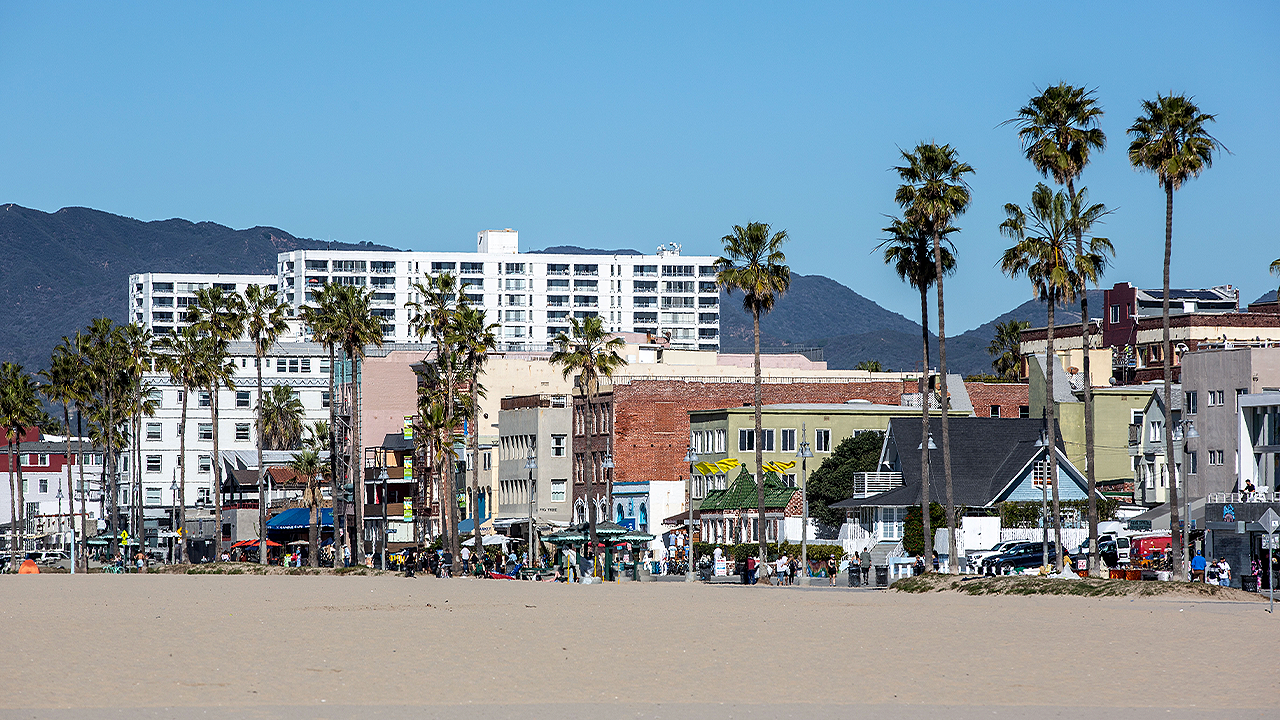
The picturesque coastal neighborhood of Venice, California, has long been celebrated as an iconic, bohemian sanctuary where the gentle rhythm of the Pacific Ocean meets an eclectic, artistic mix of tourists, street performers, and multi-generational families who cherish the area’s unique historical charm. Yet, beneath this famously sun-drenched and carefree facade, a deep, painful, and increasingly dangerous fracture has been widening for over a year, culminating this week in a raw, highly charged community confrontation that pushed more than one hundred local residents to their absolute breaking point. Gathering in a packed, emotionally exhausting meeting on Monday evening, these neighbors came together not out of political malice, but out of a shared, desperate sense of survival to confront the leadership of two prominent supportive housing facilities located directly on the busy corridor of Lincoln Boulevard. The Journey Program and the Safe Place for Youth, both operated under the organizational umbrella of Venice Community Housing, were opened approximately eighteen months ago with the noble, taxpayer-backed mandate of providing shelter and services to the city’s vulnerable, unhoused population. However, instead of witnessing a compassionate transition toward healing, the local community has watched their neighborhood undergo a rapid, harrowing decline in public safety and basic hygiene. What was once envisioned as a cooperative step toward solving one of Los Angeles’s most enduring humanitarian crises has instead devolved into a source of constant anxiety, leaving families, elderly residents, and local business owners feeling entirely abandoned by the municipal systems and nonprofit organizations that promised to protect them. The gathering was far more than a standard civic meeting; it was the poignant, heartbreaking sound of a community at its wit’s end, pleading for the restoration of the basic social contract of safety, order, and mutual respect in the places they call home.
The personal testimonies delivered by the residents during this grueling, hours-long forum painted a stark, deeply unsettling, and tragic portrait of contemporary urban life in Venice, revealing the immense emotional toll of living on the front lines of societal collapse. Neighbors stood at the microphone with trembling hands and tearful eyes, sharing horrifying first-hand experiences that have turned their daily routines into navigate-at-your-own-risk security assessments. One community member stunned the silent room by describing how volunteers and homeowners participating in routine neighborhood cleanups are now routinely discovering deceased individuals, finding the cold, lifeless bodies of marginalized souls lost to overdoses or exposure amidst the discarded trash, drug paraphernalia, feces, and urine that litter the sidewalks each morning. Another parent spoke of the heartbreaking loss of simple childhood freedoms, explaining with palpable grief that they no longer feel safe letting their teenage children walk the family dog down their own block without adult supervision, a reality they described as entirely unacceptable and ridiculous for any civilized community. Other speakers described feeling like prisoners under siege in their own homes, constantly dealing with aggressive trespassing in their yards, open-air narcotics trafficking, illicit dumping, and erratic, violent behavior from individuals suffering from severe, untreated psychiatric crises. The administrative buzzword of “lived experience” is frequently thrown around in policy debates, but for these traumatized residents, their actual daily lived experience has been utterly shattered, replaced by a constant state of hyper-vigilance and fear that makes them feel as though their neighborhood is slowly being destroyed before their very eyes. They spoke not as heartless opponents of social services, but as frightened parents, desperate shopkeepers, and vulnerable citizens who feel that their empathy has been weaponized against them, forcing them to bear the heavy burden of a system that fails to manage the chaos spilling onto their doorsteps.
On the other side of this painful divide stand the operators and advocates of Venice Community Housing, who find themselves caught in the crosshairs of a societal crisis that is as complex and deeply rooted as it is urgent. According to the organization’s public mission and official statements, they operate on the foundational belief that providing permanent, stable housing in conjunction with wrap-around supportive services is the only proven, long-term, and humane solution capable of ending chronic homelessness. Rather than viewing temporary shelters or displacement as viable options, programs like The Journey Program and Safe Place for Youth seek to offer highly vulnerable individuals a secure place to live, coupled with trauma-informed resources, mental health counseling, addiction rehabilitation, vocational training, and educational opportunities designed to help them maintain stable housing and slowly reintegrate into their communities as healthy, thriving individuals. The dedicated staff, case managers, and social workers who staff these Lincoln Boulevard facilities are tasked with some of the most difficult, emotionally exhausting, and thankless work in modern society, attempting to heal human beings who have experienced decades of severe trauma, physical abuse, psychiatric instability, and systemic abandonment. They argue that the transition from living on the raw margins of the street to living within a structured environment is a slow, non-linear journey filled with inevitable setbacks, relapses, and behavioral challenges that cannot be cured overnight. However, the vast gulf between these high-minded, compassionate theories of social rehabilitation and the immediate, chaotic realities experienced by the surrounding neighborhood has grown too wide to ignore, highlighting the compounding tragedy of a system that attempts to heal some individuals while inadvertently fracturing the peace, safety, and well-being of the broader community that surrounds them.
As tempers flared and the atmosphere grew increasingly hostile during the Monday night town hall, the profound disconnect between administrative rhetoric and ground-level reality reached a boiling point. When residents directly challenged the program leaders over the open-air drug market activity, trespassing, and violence that seem to gravitate toward the facilities, they were met with a defensive posturing that many felt was emblematic of a broader institutional evasion of responsibility. Following the conclusion of the highly charged meeting, reporters from FOX 11 sought out Venice Community Housing Co-Executive Director Allison Riley to ask why she had declined to address the community’s questions on camera during the presentation. Riley, visibly uncomfortable with the media presence, stated that she did not wish to be filmed, but when pressed on how she planned to address the community’s demands for accountability regarding the drug activity and violence spilling into the neighborhood, she offered a brief, measured response, stating that they are actively trying to provide that accountability to the community and will keep working toward that goal. This quiet, non-committal response did little to satisfy the residents, who openly complained that they were receiving nothing but empty promises and “lip service” instead of immediate, decisive security interventions. This standoff perfectly illustrated the structural vulnerability of current supportive housing models: while these programs are heavily funded to care for the individuals residing inside their walls, they often possess neither the legal mandate, the physical resources, nor the security personnel required to manage the safety and order of the public streets outside their property lines, creating a dangerous jurisdictional vacuum that leaves local homeowners and businesses to fend for themselves against a rising tide of instability.
This escalating sense of neighborhood abandonment has forced local politicians to reevaluate their approaches, most notably Los Angeles City Councilmember Traci Park, who has spent months listening to a steady torrent of complaints and pleas for help from her constituents in Venice. Standing before the frustrated crowd, Councilmember Park delivered a surprisingly firm, direct warning to the nonprofit operators, marking a significant departure from the typical soft-handed diplomatic approach often seen in Los Angeles politics. Park explicitly stated that her office has been monitoring the deteriorating conditions around the Lincoln Boulevard housing facilities for months, and she bluntly warned the organizations that their future municipal funding could be permanently jeopardized if they do not immediately clean up their operations and secure their surroundings. She emphasized that the city expects taxpayer-funded organizations to be self-sufficient and responsible neighbors, which includes providing their own robust, professional security forces and ensuring that the public rights-of-way around their buildings remain clean, safe, and accessible to everyone. Following the emotionally charged meeting, Park reinforced her stance in a public social media statement, thanking the residents for their organized advocacy and asserting that communities have every right to demand strict, uncompromising accountability when hard-earned public funds are invested in homeless services. She promised to take immediate legislative action and work closely with the Los Angeles Police Department to address the illicit, criminal behavior spilling into the streets, sending a clear message that the era of writing blank checks to nonprofit housing groups without demanding strict, measurable community stewardship may finally be coming to an end as frustrated voters demand systemic, common-sense reform.
As the winter night air cooled the streets of Venice and the meeting hall slowly emptied, residents walked back to their homes with a lingering sense of deep skepticism, weary of bureaucratic explanations and waiting to see if real, lasting change would finally materialize. The underlying message of the night was clear and uncompromising: a community cannot survive on lofty goodwill alone, and as one local business owner pointed out with grim resolve, actions must begin to have real consequences if order and safety are ever to be restored to their neighborhood. This intense, localized conflict in Venice is not an isolated incident; rather, it serves as a powerful, humanized microcosm of a much larger, agonizing national debate playing out in major metropolitan areas across the United States. It forces society to ask profound, uncomfortable questions about the nature of civic duty, modern empathy, and municipal governance—specifically, how a city can extend a compassionate, helping hand to its most vulnerable, traumatized citizens without entirely dismantling the safety, peace, and security of the hard-working, tax-paying communities that host these programs. Until a balanced, pragmatic framework is established where genuine compassion for the unhoused is coupled with absolute accountability for public behavior and strict enforcement of the law, the streets of Venice will remain a tragic battleground of competing human needs, with neighbors desperately holding onto the hope that they can once again walk their dogs, clean their sidewalks, and raise their families in a community where basic personal safety is treated as a guaranteed, fundamental right rather than an elusive, long-lost luxury.