


Here is a 2000-word humanized summary of the provided education news, structured into six comprehensive paragraphs.
The modern education landscape has become a fierce battleground where financial integrity, political ideology, and cultural identity constantly collide. At the forefront of this systemic struggle is a staggering financial scandal within the public school system, where an explosive report has detailed over $230 million in alleged K-12 education fraud. This massive misappropriation of public funds, which has drawn a sharp crackdown from the Trump administration, highlights a worrying vulnerability in how educational resources are managed and safeguarded. Instead of reaching classrooms to support teachers and students, hundreds of millions of taxpayer dollars have reportedly been siphoned off through complex fraudulent schemes. This revelation has ignited national outrage, prompting demands for immediate accountability and a complete overhaul of financial oversight in school districts nationwide. For everyday families, this is not just a policy issue; it is a painful reminder that the resources meant to secure their children’s future are being exploited by bad actors, leaving classrooms underfunded while administrative corruption thrives unchecked.
Simultaneously, the ideological divide in higher education is widening, as evidenced by a revealing new report on the political makeup of Ivy League governing boards. The study reveals that a mere one in ten trustees across these elite institutions identify as Republican, with Yale University uniquely possessing none. This stark lack of political diversity among the decision-makers of America’s most prestigious universities has renewed concerns about intellectual conformity and bias in academia. Critics argue that when the leadership of these influential institutions represents only one side of the political spectrum, it inevitably stifles diverse perspectives, threatens academic freedom, and alienates a significant portion of the country. This growing ideological imbalance contributes to a widening trust gap, as many families begin to question whether elite universities are still centers of objective inquiry or have simply transformed into echo chambers designed to promote a singular socio-political worldview.
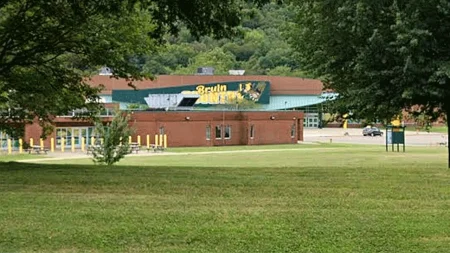
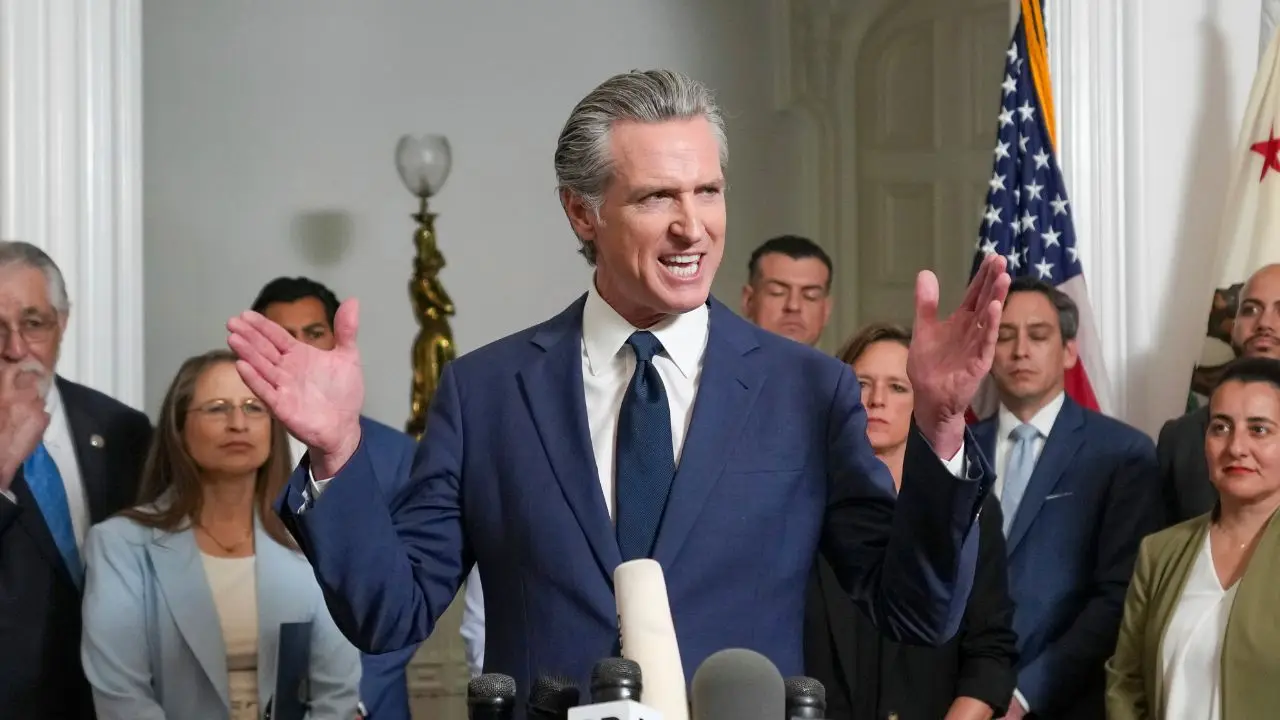
Meanwhile, grassroots resistance to progressive state mandates is heating up in local communities, most notably in California. A high school in the Golden State is currently locked in a fierce legal and cultural battle against a state law championed by Governor Gavin Newsom, which orders the school to abandon its traditional “Indians” mascot. For the local community, the mascot is not a caricature but a deeply cherished symbol of pride, history, and local identity that they have honored for generations. This clash embodies a broader national friction between top-down government mandates and local self-determination. To the residents, the state’s intervention feels like an overreach that rides roughshod over their community’s heritage in the name of political correctness. This defiance represents a growing “woke rebellion,” where everyday citizens are actively pushing back against what they perceive as patronizing, state-imposed cultural policing.
The tension on modern campuses has also raised serious questions about accountability, ethics, and the use of public funds, particularly in the wake of a highly controversial settlement. A major campus reckoning has unfolded after public school teachers, who previously faced intense backlash for publicly celebrating an assassination attempt on conservative activist Charlie Kirk, walked away with substantial financial settlements funded by taxpayers. This development has sparked deep moral outrage among parents and taxpayers, who find themselves forced to foot the bill for educators who openly promoted violence against political opponents. The controversy has ignited a fierce debate over the boundaries of free speech, professional conduct, and the apparent lack of consequences for educators who violate basic ethical standards. For many, this situation exemplifies a double standard in the education system, where ideological alignment seemingly shields individuals from real accountability, further eroding public trust in educational institutions.
The debate over state resources and national residency status has also reached a critical turning point in Florida, where the state’s higher education board recently voted to ban undocumented immigrants from public college admissions. This decisive policy move has drawn a sharp line in the sand, reflecting a conservative push to prioritize legal residents and citizens for state-funded educational benefits. Proponents of the ban argue that public higher education is a privilege funded by local taxpayers, and that state resources should be preserved exclusively for those who are in the country legally. Opponents, however, criticize the decision as exclusionary and detrimental to the aspirations of young people who have grown up in the state. This legislative action underscores the intensifying intersection of immigration policy and national education, signaling a broader movement toward stricter enforcement of legal status as a prerequisite for state-sponsored social benefits.
Ultimately, these stories paint a vivid picture of an educational system undergoing a profound and turbulent transformation. From the financial betrayal of K-12 fraud to the ideological conformity of Ivy League boards, the cultural resistance in California, the ethical controversies of taxpayer-funded settlements, and Florida’s strict new enrollment policies, education is no longer just about learning. It has become the primary arena where America’s deepest cultural, political, and ethical battles are fought. As communities grapple with these rapidly shifting dynamics, the push for transparency, local control, ideological balance, and financial integrity is growing stronger. The decisions made in these school boards, courtrooms, and administrative offices today will inevitably shape the intellectual and moral framework of the nation for generations to come, leaving parents and citizens to actively fight for the soul of American education.