


Imagine waking up to the shrill ring of an alarm clock in the early hours of a humid New York summer morning in 2023. For Erik Duran, a dedicated New York City police officer with a badge pinned proudly to his uniform, that day began like countless others: geared up for an undercover drug operation in the bustling streets of the Bronx. At 38 years old, Erik was a family man—a married father of three young children who adored their dad for his sense of humor, his weekend barbecues, and the way he’d tuck them in at night with stories of justice triumphing over chaos. He wasn’t just an officer; he was a protector, someone who believed in serving his community, much like his own father before him, who had instilled in him the values of duty and honor. That August morning, as the sun climbed over the concrete skyline, Erik and his team were on a sting to intercept a suspected drug trafficker. Little did he know, this operation would shatter his world and ignite a national debate about police conduct, justice, and the thin line between heroism and recklessness. As the sting unfolded, overwhelmed by the adrenaline of pursuit, Erik found himself in a split-second decision that would cost a man his life and change Erik’s forever. It’s stories like these that remind us of the human fragility behind every headline—the ordinary lives derailed by moments that spiral out of control.
The incident itself unfolded with the intensity of a thriller movie, set against the gritty backdrop of Bronx sidewalks. Eric Duprey, a 40-year-old man accused of driving while intoxicated and evading police, was fleeing on his moped during that undercover operation. Witnesses described the scene as chaotic: sirens wailing, officers shouting commands, and Duprey weaving through pedestrian traffic at high speed. Erik Duran, positioned strategically with his fellow officers, spotted the potential danger—not just to law enforcement but to innocent bystanders sharing the narrow pathways. In a desperate bid to halt the escape and protect his team, Erik grabbed what was at hand: a red Igloo cooler from the back of a police vehicle. With a forceful throw, he sent it hurtling through the air, striking Duprey and sending him crashing onto the unforgiving pavement. The impact was fatal; Duprey died instantly from the collision, his body crumpled like a discarded doll amidst the urban sprawl. For Erik, who had spent years training for scenarios just like this, it was an instinctive act born from fear and loyalty. He believed he was shielding his comrades from harm, a mantra drilled into him during his NYPD academy days. But in the courtroom chaos that followed, prosecutors painted a different picture: a reckless action driven by frustration and anger at the suspect’s defiance. Duran’s defense team argued self-defense, emphasizing Duprey’s erratic maneuvers that endangered lives. “He was trying to save his colleagues,” they insisted, painting Erik as a dedicated officer whose quick thinking backfired tragically. Yet, the jury saw it otherwise, convicting him of manslaughter and handing down a sentence that ripped him from his family’s embrace.
The aftermath of that fateful day reverberated through Erik’s life like a relentless echo. Convicted in February and sentenced to three to nine years behind prison walls, he faced a stark reality far removed from the streets he’d patrolled. Wearing the standard-issue orange jumpsuit that stripped away his identity as a cop, Erik endured the drudgery of incarceration—rigid routines, the clang of cell doors, and the isolation from the laughter of his three kids, who missed their father’s bedtime rituals. His wife, bearing the weight of it all, visited weekly, her eyes shadowed with worry, sharing stories of home to keep his spirits afloat. “This isn’t what we signed up for,” she might have whispered during those cramped visiting hours, clutching his hand through the glass divider. For Erik, the conviction felt like a betrayal, not just by the system he served, but by a society quick to judge without understanding the split-second pressures officers face. His cellmates, some hardened by their own crimes, respected his quiet resilience, swapping tales of regret that made him question his choices anew. The case sparked outrage among law enforcement unions and supporters, who viewed it as emblematic of a post-George Floyd era where cops were increasingly scrutinized, their every action dissected under a microscope. Duran’s supporters argued that his intentions were pure—a hero’s impulse in a dangerous job that too often ends in tragedy. As appeals loomed, Erik clung to hope, dreaming of reunion with his family, perhaps fixing up the old pickup truck in the garage or coaching his eldest son’s Little League games. Little did he know, a glimmer of freedom was approaching, courtesy of a higher court that recognized the legitimacy of his appeal.
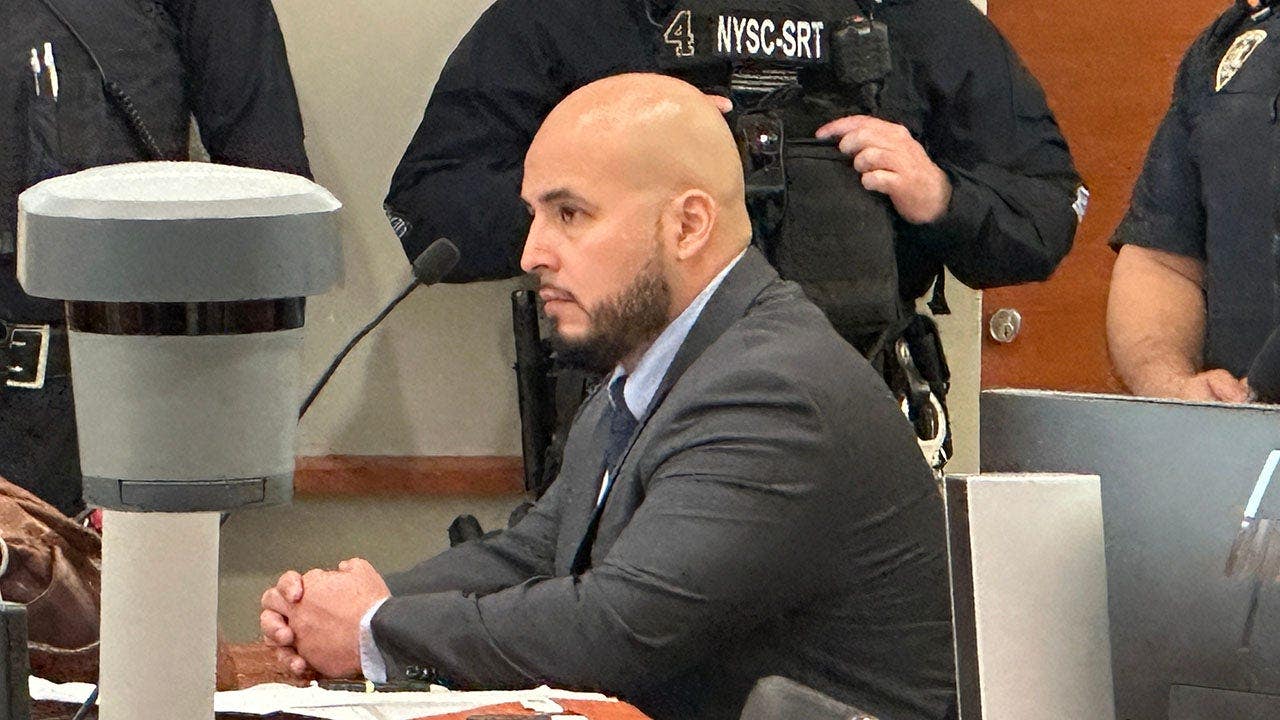
Then came the Friday ruling that flipped the script, a beacon of hope in the midst of despair. The New York State Appellate Division, in a decision heralded as a victory for justice, granted Erik Duran $300,000 bail, allowing him to walk free while his conviction twists its way through the appeals process. The news hit like a thunderclap, reported breathlessly by the New York Post and echoed across Fox News outlets, where pundits debated its implications for law enforcement accountability. Erik’s legal team, led by the unflappable Arthur Aidala, had fought tirelessly, presenting arguments that the original trial overlooked key aspects of self-defense and proportionality. Aidala, a veteran lawyer with a reputation for tenacity, shared a moment of restrained triumph in an interview with Fox Digital: “We are very pleased but not surprised that the Appellate Division found that there are legitimate appellate issues in Sgt. Duran’s case.” He emphasized that Erik posed no flight risk—a dedicated family man with deep community roots—and certainly no danger to the public. The bail amount, substantial but attainable through family and supporters, symbolized a vote of confidence in his character. For the Sergeants Benevolent Association (SBA), a powerful union advocating for NYPD officers, this was more than a legal win; it was a rallying cry. President Vincent Vallelong released a euphoric statement: “I am very pleased to announce that the SBA’s team of attorneys has secured bail for Erik Duran, and he will be released from prison and remain free throughout his appeal. This is a major win for Erik and his family and for law enforcement officers around the country!” The sentiment resonated with officers nationwide, who saw Duran’s release as a defense against what they perceived as anti-police bias in the courts. As Erik stepped out into the sunlight, blinking against the glare of freedom, the moment must have felt surreal—a chance to hug his wife, to feel his children’s tiny hands again, and to breathe air untinged by the metallic scent of confinement.
Broader than Erik’s story, this case stirred ripples in the murky waters of police reform, touching on themes of institutional loyalty, public trust, and the human cost of law enforcement errors. Bronx Judge Guy Mitchell, during the sentencing hearing, delivered a stern admonition framed as a “general deterrent,” warning other officers against recklessness that could devastate lives. “They had enough to investigate and catch him on a different day,” Mitchell remarked poignantly, highlighting the irreplaceable loss of Duprey to his own family—a man whose brief, fallen existence underscored the tragedy. Duprey’s kin, grappling with grief, viewed the ruling with skepticism, seeing Erik’s release as a miscarriage of justice that diminished their loss. Op-ed pieces in various media outlets dissected the incident: some lambasted what they called excessive force, while others defended Erick as a scapegoat in a climate of heightened scrutiny. Gubernatorial candidate Lee Zeldin, seizing the opportunity, vowed to pardon Duran if elected, positioning himself as a champion of police rights and amplifying the divide. This dichotomy highlighted America’s fractured dialogue on policing—where one side sees officers as underdogs facing an unwieldy system, and the other views such incidents as failures demanding accountability. For families like Erik’s, the ordeal exposed vulnerabilities: financial strains from legal fees, emotional tolls on children who asked when Daddy was coming home, and the stigma of association with convicted felons. Yet, amid the debate, personal stories emerged—testimonials from colleagues praising Erik’s loyalty, or neighbors sharing memories of his community service. Reflecting on Duprey’s end, one couldn’t help but empathize with his family’s pain, a reminder that every action has reverberations, forever altering lives in unforeseen ways.
As Erik Duran embarks on this new chapter, released on bail with the promise of an appeal that could exonerate him, his tale serves as a poignant reminder of the complexities inherent in humanity’s pursuit of justice. No longer confined to the cold confines of a cell, he faces the daunting task of rebuilding—attending to mundane joys like grocery shopping or mowing the lawn, all while his legal battle persists. His story resonates in an era where Fox News and similar platforms amplify voices from all sides, offering listeners a chance to engage with the narratives through audio recaps, blurring the lines between news and personal anecdote. For supporters, this is a testament to resilience, a call to support those in blue who risk everything daily. Critics, however, urge vigilance, insisting that accountability must prevail to prevent future tragedies. Ultimately, Erik’s journey underscores the fragility of freedom and the power of the judicial system to right wrongs. As he reunites with his children, perhaps sharing ice cream sundaes after school, one can hope for closure—for Erik, for the Duprey family, and for a society seeking balance. In a world where moments define destinies, Erik Duran’s path forward offers a glimmer of redemption, a chance to emerge stronger from the storm. And in that, there’s a quiet humanity, a reminder that beneath the headlines, real people navigate loss, hope, and the quest for fairness. As the appeals process unfolds, the nation watches, divided yet intrigued, wondering how this chapter will end—and what it reveals about us all. For now, Erik breathes free, a small victory in the grand tapestry of American justice, where heroes and human errors intermingle in the relentless pursuit of truth.