



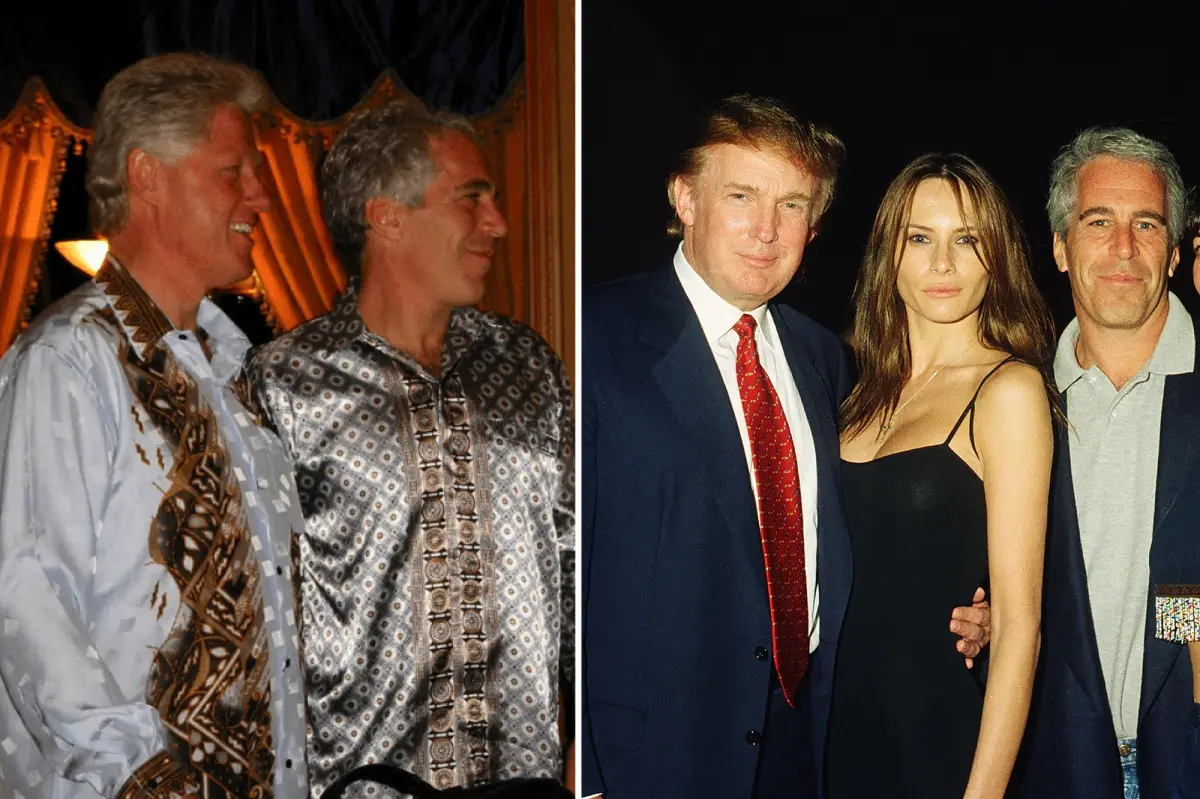
The Shadow of Jeffrey Epstein Looms Large
Imagine waking up to the kind of scandal that doesn’t just stain one person but ripples through the highest echelons of power, touching presidents, billionaires, and secret lives no one ever wanted exposed. That’s the world we’re diving into with the Jeffrey Epstein sex trafficking case, a saga that’s been unfolding like a dark thriller for years. Epstein, the wealthy financier whose private jet was dubbed the “Lolita Express” for its alleged role in shuttling powerful men to his private island for illicit encounters, died in jail in 2019 under mysterious circumstances. His death was ruled a suicide, but whispers of foul play persist among conspiracy theorists and investigators alike. Now, years later, as lawmakers dig into the Epstein network, the ghosts of that island are haunting American politics in ways that could reshape elections and trust in institutions. For Republicans in the House of Representatives, it might seem like a golden opportunity to poke at their enemies—specifically, by forcing former President Bill Clinton to testify about any ties he might have had to Epstein. But as Rep. Robert Garcia, the sharp-tongued ranking Democrat on the House Oversight Committee, pointedly warned in a group of reporters in New York, this move could boomerang spectacularly. Garcia, with his brisk New York accent and a politician’s knack for choosing words that cut like a knife, didn’t mince matters. He basically said the GOP was playing with fire, creating a dangerous new norm where no ex-president is safe from congressional scrutiny.
The scene in New York was charged with that electric buzz you get before a storm hits—journalists crowding around Garcia as he leaned into the microphone, his voice steady but laced with a warning that felt personal. Clinton, as we all know, has long been linked to Epstein through rumors and accounts from victims who claim Epstein’s empire facilitated abuse. Clinton has denied any wrongdoing, pointing out that he flew on Epstein’s plane just four times and wasn’t privy to the horrors below the surface. Yet, the Oversight Committee, led by Republicans, saw fit to subpoena him, arguing it’s vital for accountability. Epstein’s victims, like Virginia Giuffre, have spoken out in court documents, painting a picture of a man who trafficked girls and used his connections to escape justice for decades. It’s chilling stuff, the kind that makes you question how someone so vile could be so well-connected. Republicans, eyeing the upcoming midterms, likely see this as a chance to paint Clinton—and by extension, Democrats—as complicit in covering up Epstein’s crimes. But Garcia’s response was a masterclass in political chess. He invoked the golden rule: treat others as you would want to be treated, or in this case, don’t start precedents you can’t control. By dragging Clinton into this, Republicans were essentially handing Democrats a loaded gun to turn on their targets. I can almost picture Garcia smirking inwardly, knowing this could flip the script entirely, especially with November’s elections barreling down on us like a freight train.
A History That Won’t Stay Buried
To really grasp why this is such a powder keg, you have to rewind the clock to Epstein’s arrest in 2016. That’s when the FBI finally swooped in after The Miami Herald’s Julie K. Brown published a bombshell series exposing how Epstein had abused dozens of minors, then gotten a sweetheart deal from prosecutors in 2008. Palm Beach prosecutors, led by Alexander Acosta—who later became Trump’s Labor Secretary—let Epstein off with 13 months in a cushy “work-release” facility, sparking outrage that echoed through the halls of justice. Clinton’s connection? He and Epstein reportedly orbited the same social circles, with Clinton even flying on that infamous plane in the 1990s. Clinton has always maintained he didn’t know about Epstein’s crimes, cutting ties after learning of allegations, but the optics are damning. Epstein donated to Clinton’s foundation, and the former president attended Epstein’s 2010 court hearing post-conviction, raising eyebrows. Victims groups have pushed for full disclosure, and congressional probes aim to unearth who knew what and when. Republicans, perhaps sensing vulnerability in the Biden administration’s handling of global affairs, pivoted to this as a deflection tactic. But Garcia called it out for what it was: selective outrage. Why subpoena Clinton when there are Trump-Epstein links too? Epstein’s pilot testified that Trump flew on the plane, and Ivanka Trump reportedly visited Epstein’s mansion. Documents unsealed in 2023 show names like Bill Gates and Prince Andrew, but Trump’s name pops up repeatedly. By forcing Clinton’s deposition, Republicans weren’t just probing—they were inviting Democrats to broaden the net.
Garcia’s Call to Arms
Standing there in New York, flanked by reporters whose cameras flashed like strobe lights in a disco of drama, Garcia exemplified the kind of fighter Democrats needed in these polarized times. Born in California to Mexican immigrant parents, Garcia rose from community activism to Congress, always championing the underdog. His words carried weight because they were rooted in reality: “Republicans have now set a new precedent, which is to bring in presidents and former presidents to testify.” He paused for emphasis, letting the reporters soak it in, the way a teacher might before dropping the punchline. This isn’t just about Clinton; it’s about shattering the immunity bubble around the Oval Office. Presidents have ducked out of congressional investigations before—think Nixon’s end-run or Obama’s administration’s stonewalling on scandals—but subpoenaing a former president? That’s uncharted territory, one Garcia warned could backfire like a bad joke. Picture the ripple effects: if Clinton is forced to sit in that sterile hearing room, answering questions under oath, it opens the door for Democrats to reciprocate. And reciprocate they will, Garcia promised. He recalled how Democrats had already called for Trump to testify on January 6 and other matters, adding Epstein to the roster. It’s human nature to see this as revenge, but Garcia framed it as justice. Every American deserves answers about Epstein’s web, and if Republicans want to yank on that thread, they’d better brace for the whole sweater unraveling. As Garcia wrapped up, the air thick with anticipation, it felt like a turning point—not just in the Epstein probe, but in how power is wielded in Washington.
Trump in the Crosshairs
The real kicker came when Garcia doubled down: Democrats are now demanding President Donald Trump’s testimony on his connections to Epstein and beyond. “We’re once again going to make that call that we did yesterday, we are now asking and demanding that President Trump officially come in and testify in front of the Oversight Committee.” It was bold, defiant, and utterly strategic. Trump’s ties to Epstein are well-documented, though he has vehemently denied any illicit activity. Epstein confessed in a 2006 Palm Beach Police interrogation that he had “mounds” of potentially damaging information on Trump, calling him “a terrific guy” despite their fallout after a business deal soured. A 2015 flight log from Trump’s plane reportedly shut down on takeoff to let Epstein’s aircraft land at Palm Beach International. More recently, a 2024 lawsuit by Epstein accuser Shelley Anne Lewis alleges Trump “raped” her at Epstein’s New York mansion in the 1990s, claims Trump called “totally false.” But the optics linger—Trump praising Epstein as “a friend” until 2008, then distancing himself post-arrest. Democrats see this as low-hanging fruit, especially with Trump’s potential 2024 run. If Democrats regain the House in November, it’s not a question of if they’ll subpoena Trump, but when. Garcia’s warning echoed through the crowd: Republicans, by normalizing this, gave Democrats the green light to haul Trump before committees probing not just Epstein but Russian collusion, election interference, and family business dealings. It’s a human story at its core—victims like Giuffre sharing tearful testimonies, forcing society to confront how power protects predators. Trump’s potential appearance could be explosive, with his lawyers likely mounting legal battles citing executive privilege, turning hearings into spectacles.
Broader Implications for American Politics
Zooming out, this isn’t just about two ex-presidents squaring off; it’s symptomatic of a deeper rot in American democracy. The Epstein case has become a litmus test for accountability, revealing how wealth and fame can shield the wicked from justice. Bill Clinton’s likely deposition could dredge up old scandals, from the Paula Jones affair to impeachment trials, while Trump’s involvement might uncover even more layers of his empire. Republicans, by pushing this, risk alienating moderates who see it as partisan witch-hunting. Democrats, on the flip side, could come off as opportunistic, demanding Trump’s testimony amid their own ethics probes. Polls show Americans tired of political theater, with inflation and global tensions dominating headlines. Yet, Garcia’s gambit humanizes the stakes: it’s about dignity, about giving victims a voice. Epstein’s death left many questions unanswered—why was his cellmate, a former Gucci executive, removed days before? Were there deals made? Congressional investigations aim to fill those gaps, but forcing presidents to spill could normalize this, paving the way for future presidents being regularly interrogated. It’s a scary thought in a republic built on separation of powers. Imagine if every former leader lived in fear of subpoenas; who would run? But Garcia argued it’s necessary, a check on power that’s too easily abused. The human toll can’t be overstated—millions watched Epstein’s trial, feeling the flicker of empathy for the young victims coerced into silence. By tying Clinton and Trump together, this probe reminds us that no one is above the law, or at least, shouldn’t be.
Looking Ahead: Elections and Uncertainty
As November’s midterm elections approach, this Epstein probe could tip the scales in unforeseen ways. House Democrats, if victorious, have vowed to subpoena Trump, potentially derailing his 2024 ambitions or at least drowning him in depositions. Republicans might regret their Clinton move if it ignites a firestorm, with Democrats countering by demanding expansive investigations into Trump’s world, from Epstein to his border policies. It’s a human drama unfolding in real time, where strategies born in backrooms clash with the publics’ yearning for truth. Garcia’s New York briefing was more than a warning; it was a rallying cry for fairness. We need to see this through, uncovering every sordid detail about Epstein’s empire, ensuring predators like him can’t hide behind privilege again. Trump and Clinton might testify or fight it legally, but the precedent is set: presidents aren’t untouchable. In a country where trust in institutions hovers around 20 percent, according to Gallup, this could restore faith or shatter it further. Whatever happens, it’s a reminder that power has consequences, and in the end, justice for the vulnerable is worth the political risk. As elections loom, voters will decide if this back-and-forth advances democracy or just adds to the noise. One thing’s certain: the Epstein shadow won’t easily fade, and its legacy might define a generation of leaders. With subpoenas flying, the stage is set for a showdown that could echo through history, humanizing the struggle for accountability in an imperfect world.