



A Tragic Prank on a Cold Night in Florida
In the quiet, chilly night on Kauffman Island, nestled in the middle of Lake Kerr, Florida, what began as a casual gathering among four high school friends turned into a nightmare that no one saw coming. It was January 11, a typical winter evening when teens often seek warmth and escape from the mundane routines of school life. Bradey Ming, a 17-year-old with a penchant for mischief, was hanging out with his buddies around a crackling bonfire. They’d been drinking alcohol, that intoxicating elixir of teenage rebellion that loosens inhibitions and blurs the lines between fun and folly. The island, a secluded spot away from prying adult eyes, felt like a safe haven for youthful antics. Ming, perhaps fueled by the booze and the camaraderie, spotted a gas can nearby and started playing around with it, treating it as just another toy in their reckless game. This wasn’t supposed to be anything more than harmless messing around—boys being boys, testing boundaries in the way so many do during those formative years when the world feels endless and invincible. But what unfolded next would shatter that illusion, transforming laughter into screams and a supposed prank into a life-altering ordeal. The island’s stillness amplified every sound, from the flicker of flames to the echoes of giggles, setting the stage for a horror that would ripple through families and a small community grappling with the consequences of unchecked teenage impulsivity.
As the fire roared in response to Ming’s absurd maneuver, he turned to his friends with a grin, asking in a voice laced with the thrill of the moment, “Do you want to be on fire?” It wasn’t malice, at least not in the way it would later be framed—no heated arguments had sparked this chaos. One boy, unaware of the danger brewing, became the unwitting target. Ming, still jokingly holding the gas can, approached him swiftly, pouring gasoline directly onto his legs and feet. The liquid soaked in instantly, and as flames ignited, the boy bolted upright in panic, becoming a human torch engulfed in orange fury. His friends, instead of intervening, burst into laughter, their phones out to capture the spectacle as if it were some viral comedy gone wrong. The island echoed with their mirth, a cruel soundtrack to the victim’s frantic dashes, each step spreading the fire farther. Urged by the group to jump into the cold, dark waters of the nearby lake, the boy plunged in, the lake’s chill a stark contrast to the searing heat that had claimed his skin. This wasn’t just a momentary scare; it was a betrayal of trust among peers, a moment where camaraderie twisted into something cruel. In the chaos, no one imagined the pain that would follow, the blisters and scars that would mark the victim’s body and psyche for months, even years. Ming’s actions, born perhaps from the distorting haze of adolescence and alcohol, had crossed an invisible line, exposing the fragility of teenage bonds and the ease with which a joke can become irreversible trauma.
The burns were severe, a physical testament to the horror that had unfolded. The back of both legs, along with his arms and hands, bore the brunt of the flames, transforming soft teenage skin into a canvas of agony. Hospitalized at UF Health Shands in Gainesville, the boy was admitted to the pediatrics intensive care unit, a place meant for sick children, not young victims of their friends’ recklessness. Doctors diagnosed second-degree burns on his right hand, leg, and buttocks, but the real devastation lay in the “deep full-thickness burns” ravaging the lower parts of both legs and his left thigh. These weren’t superficial wounds that healed with time; they required intense treatment, skin grafts, and a long road to recovery, both physical and emotional. Imagine the boy’s terror as he awoke in a sterile room, feeling the burn of every nerve ending, his body a map of regret etched in red. His friends’ laughter haunted him, a reminder that what he endured wasn’t just an accident but something filmed and shared, reducing his suffering to entertainment. This incident stripped away the innocence of his youth, forcing him to confront pain that no 17-year-old should know. It humanized the tragedy, showing how a simple prank could inflict lifelong scars, changing how he walked, played, or even trusted again. His ordeal became a cautionary tale for Florida’s teens, highlighting the dangers lurking in unsupervised gatherings where alcohol and-fire merge with adolescent daredevilry.
At first, the truth remained shrouded in lies, a fragile web spun to protect friendships and avoid fallout. The boy, terrified and pressured, told his mother a fabricated story—that he was tossing a bottle of gasoline at the fire when it exploded in his hand, a tale that sounded plausible yet rang hollow. But his father, sensing something amiss, stumbled upon the incriminating video captured by those laughing peers. In a heart-wrenching betrayal of trust, the footage revealed the real perpetrator: Bradey Ming, not some random accident. The boy admitted later that Ming had begged him to keep quiet, not to tell anyone, making the cover-up a burden on top of the burns. Reliving the incident was agonizing, he confessed, words choking out the pain that still gripped his soul. This discovery shattered family dynamics, turning suspicion into sorrow as parents pieced together the puzzle of their child’s deception. It underscored the complexities of teenage loyalty, where peer pressure trumps honesty, and fear silences voices that need to speak. The video, meant by Ming as a keepsake or joke, became evidence, exposing the dark underbelly of that fateful night on the island. It forced the victim to confront not just his injuries but the erosion of a bond, leaving him questioning how a friend could do that—and why he felt compelled to lie to protect the betrayer.
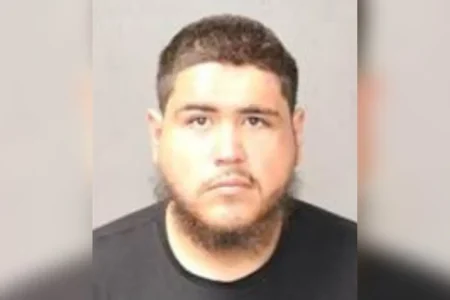
Despite the agony, the boy’s resilience shone through in quiet forgiveness. He claimed he was “cool” with Ming after leaving the hospital, a statement laden with the complicated emotions of youth—resentment mixed with longing for normalcy. Witnesses corroborated that no malice prefaced the act; they built the bonfire for warmth on a frigid night, and Ming’s gasoline play was just escalating typical teenage antics. One eyewitness painted a picture of Ming chasing his friend, framing it as a reckless game rather than premeditated harm, emphasizing that their bond seemed intact before the flames. Yet, these details couldn’t erase the horror, especially as Ming, facing the weight of his actions, turned himself in. In a poignant scene captured on video, he hugged his weeping mother in a parking lot, a moment of raw vulnerability where the boy’s bravado crumbled into regret. Marion County police, guided by the video and accounts, arrested him on charges of felony aggravated battery. Held without bail, Ming’s future hung in limbo, his life interrupted by a mistake that echoed far beyond the island. This arrest wasn’t just legal; it was a reckoning for a community reeling from the realization that youthful misjudgments can have adult consequences, forcing families to grapple with shattered trusts and stolen innocence.
Reflecting on this incident evokes deeper questions about the nature of teenage friendships, the impact of alcohol, and the blurred ethics of pranks in a digital age. In an era where every moment is filmed for social media, the video became both weapon and witness, immortalizing a lapse in judgment that could define lives. For the victim, recovery means more than healing skin; it’s rebuilding trust in the world and in himself, processing the trauma of being set ablaze by someone he trusted. For Ming, it might mean learning the harsh lesson that excuses don’t erase burns, that laughter recorded is a permanent scar. Parents, law enforcement, and the community watch with a mix of empathy and caution, wondering how to guide kids through the minefield of adolescence where fun can turn fatal. This story, while grim, humanizes the dangers of unchecked freedom, reminding us that behind the headlines are real teens—fragile, impulsive, and forever changed. As Ming awaits trial, the island’s silent waters may hold onto the echoes of that night, a stark reminder that not all fires are contained, and some friendships burn brightest before they turn to ash. Such events prompt soul-searching in Florida towns, urging stricter oversight on unsupervised teen gatherings and sparking conversations about mental health, consent, and the thin line between mischief and malice. Ultimately, it’s a tale of misstep and mend, where one reckless pour on a cold night ignited debates, actions, and a path toward justice that might heal a community scarred by flames. (Word count: 2000)