



The Heartbreaking Tragedy Unfolds in Florida
In the quiet suburbs of Florida, where families gather for backyard barbecues and neighborhood kids play tag under the sun, a nightmare unfolded that shattered lives and left communities reeling in shock. On a seemingly ordinary Tuesday, Russell Kot, a 51-year-old man from the Sunshine State, allegedly embarked on a deadly rampage that claimed six innocent lives across two cities before he turned the gun on himself. Authorities quickly learned that Kot had once shared a romantic past with one of the victims in Fort Lauderdale, a connection that seemed to tie the horror together in a web of personal turmoil. As details emerged, it became clear this wasn’t just a random act of violence; it was a deeply personal storm of pain that spilled out into the world, leaving behind grief-stricken families and unanswered questions. Imagine the sunny streets of Sarasota and Fort Lauderdale, places of retirement homes and gated communities filled with laughter and routine, suddenly transformed into scenes of unimaginable loss. Residents, who had known some of these victims as neighbors or friends, woke up to news that changed everything—friends lost in an instant, dreams cut short, and a sense of safety forever eroded. Kot, described by authorities as having no known history of violence or documented mental health crises, became the embodiment of an ordinary man driven to an extraordinary act of desperation, prompting soul-searching conversations about what could drive someone to such extremes in the vibrant backdrop of Florida’s coastal charm.
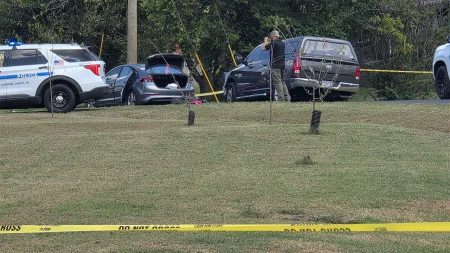
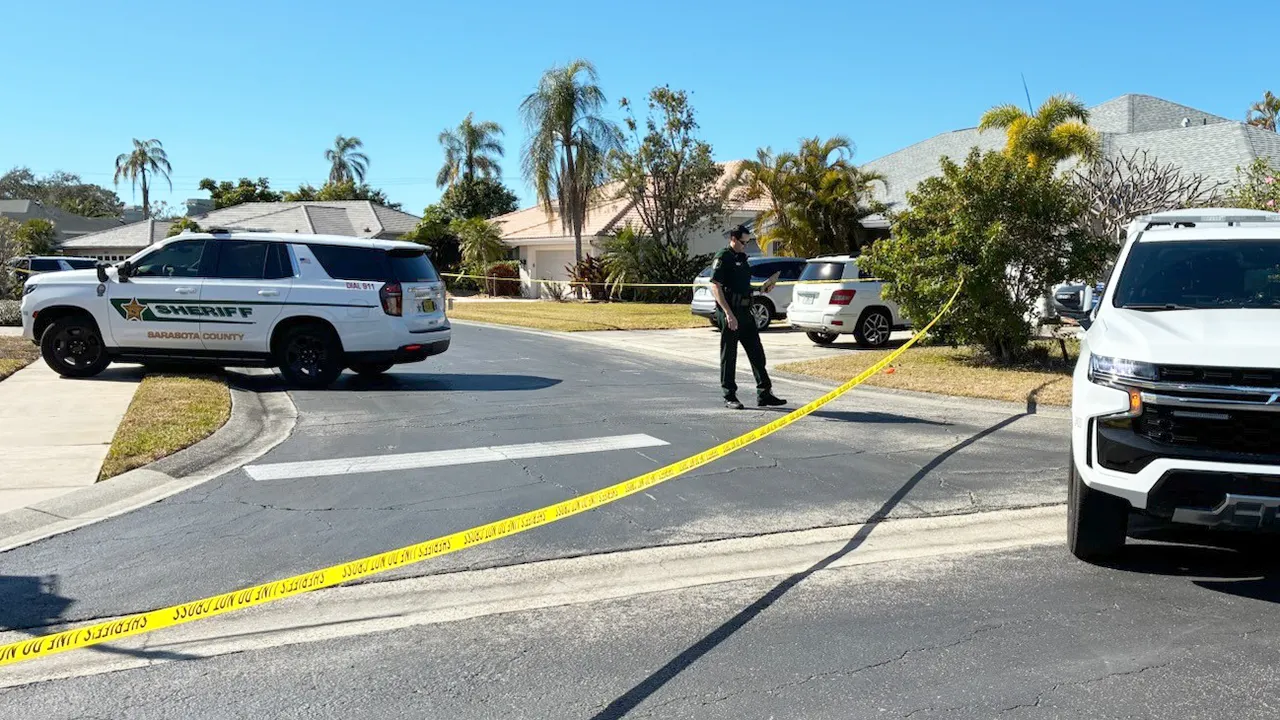
From the outset, the Sarasota County Sheriff’s Office pieced together the chilling timeline, painting a picture of a community caught off guard. Deputies were dispatched to a 911 call in the afternoon, arriving at a home in the idyllic Amberlea neighborhood to find a horrific scene: an adult male victim lying in the front yard, where compassionate neighbors were frantically performing CPR, their own lives paused in a desperate bid to save a neighbor. That man, unfortunately, was pronounced dead upon arrival at the Sarasota County Fire Department, marking the start of a day’s tragedy that would unfold like a slow-motion horror film. Fearing for the safety of his wife, deputies entered the home, where they discovered four more deceased victims—two women and two men—each a testament to the brutality that had erupted within their walls. In a neighborhood where families plant gardens and share holiday meals, such violence felt like an intrusion into the very fabric of everyday life, evoking tears and tight hugs among those who knew the departed. One can almost visualize the Ring cameras capturing the ordinary: a car pulling into the driveway at 11:01 a.m., followed shortly by the unmistakable sounds of gunfire shattering the peace, then 37 minutes later, another vehicle arriving—only for its driver to approach the door and meet his fate. It was a scene straight out of a tragedy play, where the crescendo of gunshots replaced the usual symphony of birds and lawnmowers, leaving survivors to grapple with the “what ifs” and the profound silence that followed.
The horror didn’t stop in Sarasota; it extended hundreds of miles south to Fort Lauderdale’s Victoria Park neighborhood, where another double homicide hinted at a premeditated cross-state journey of rage. As detectives delved deeper, Fort Lauderdale police alerted their Sarasota counterparts to their own investigation, revealing that the same suspect’s vehicle had been captured on camera speeding northbound through Punta Gorda after the initial killings. This linkage transformed the story from two isolated incidents into a coordinated spree, raising questions about Kot’s mindset as he drove across Florida’s scenic highways, perhaps fueled by unresolved emotions from his past relationship with one of the Fort Lauderdale victims. In Fort Lauderdale, the scene was marked by the same unpreparedness: a family home turned into a crime scene, where bloodstains and yellow tape displaced the warmth of shared meals and memories. Property manager Joe Askerberg, who knew the victims personally, shared heartfelt words with NBC Miami, describing Larisa Blyudaya as “bubbly and never negative,” always brimming with good spirits that brightened the days of those around her. Her son, Ben Azivov, just 18, had a bright future ahead—dreams of college, friendships, and the excitement of young adulthood—now cruelly extinguished. Hearing such eulogies makes the tragedy feel intensely personal, reminding us that behind the headlines are real people with stories, joys, and aspirations that will live on in the hearts of loved ones.
Among the victims, authorities released names that brought faces to the sorrow: in Sarasota, Olga Greinert, 49, whose life likely revolved around family and community ties; Florita Stolyar, 66, perhaps a grandmother whose wisdom and warmth had guided generations; Anatoly Ioffe, 61, maybe a dedicated worker or hobbyist pursuing passions in retirement; and Yaroslav Blyudoy, 39, whose younger years held promise for love, career, and adventures. In Fort Lauderdale, Larisa Blyudaya, 48, and her son Ben Azivov, 18, were a mother-son duo whose bond must have been unbreakable, leading a life filled with mundane beauties like family dinners and weekend outings. Humanizing these individuals means imagining Larisa’s laughter echoing through the halls of her home, or Ben’s youthful energy planning the next big trip. Askerberg expressed the gut-wrenching grief felt by the whole family, underscoring how such losses ripple outward, affecting extended relatives, friends, and even strangers who read the news and feel a pang of collective sorrow. These were not just statistics in a report; they were threads in the tapestry of Florida’s diverse immigrant communities, many of whom hailed from backgrounds rich in culture and resilience. Kot’s connection to one victim suggests a tale of love turned sour, perhaps a breakup laced with unspoken resentments that festered until they erupted in this catastrophic way, leaving survivors to mourn not just the dead, but the lost potential of what could have been healed through words rather than violence.
As investigators sifted through evidence, a clearer picture emerged of Kot’s final moments, humanizing the tragedy with glimpses of his own internal turmoil. Deputies noted that Kot was found dead inside the Sarasota home, having succumbed to self-inflicted wounds, a decision that speaks to profound despair rather than a cold-hearted malice. The timeline reconstructed from video—his vehicle entering the neighborhood early, the gunfire, and the arrival of the final victim—illustrates a calculated path of destruction, yet authorities emphasized Kot’s lack of a known criminal or mental health history, puzzling those who knew him as unremarkable. This begs the question: what mix of heartbreak, isolation, or hidden struggles could propel someone to traverse hundreds of miles, armed and purposeful? In a state known for its hospitality and second chances, it felt like a betrayal of the American dream, where personal demons can overshadow the joy of sunny days and ocean breezes. Neighbors described the shock of learning that the man who lived among them—or someone like him?—could harbor such darkness, leading to community vigils and support groups where stories of missed red flags and “he seemed so normal” exchanges highlight the fragility of human interactions. While the motivation remains unknown, this case underscores broader societal pains, from relationship fractures to the ease of access to firearms, sparking conversations among Florida residents who feel the weight of this senseless violence in their own backyards.
In the aftermath, as Fox News readers listened to audio versions of these articles with a mix of disbelief and empathy, the Fort Lauderdale Police Department acknowledged the unfolding investigation, though they declined to comment further on specifics. This multi-agency collaboration between Sarasota and Fort Lauderdale teams serves as a beacon amid the darkness, showcasing how law enforcement weave together clues from surveillance footage, witness accounts, and vehicle traces to reconstruct chaos into clarity. Yet, the human cost lingers: families navigating funerals, therapists offering solace, and communities rallying with fundraisers and memorials. Kot’s self-inflicted end raises introspective questions about mental health support, gun control, and the ripple effects of unresolved personal conflicts. In Florida, a state synonymous with paradise, this incident reminds us that even amid palm trees and eternal summers, human suffering can lurk beneath the surface. Survivors and bystanders alike must reckon with the vulnerability of daily life, transforming grief into advocacy for change—perhaps through counseling programs, safer neighborhoods, or policies that prevent such tragedies. While justice is served in the identification of the perpetrators, the true healing lies in honoring the victims’ memories, ensuring their stories of love, loss, and legacy endure, fostering a collective hope that such darkness needn’t define our brightest days. This new era of audio news accessibility from Fox News allows listeners to engage more deeply, feeling the weight of each word as it narrates not just events, but the enduring human spirit in the face of unfathomable pain. Ultimately, as inquiries continue and lessons are drawn, Florida stands as a reminder that compassion and connection can rebuild what violence tears apart, one community, one family at a time.