






The Unexpected Arrest at LAX: A Tale of International Intrigue
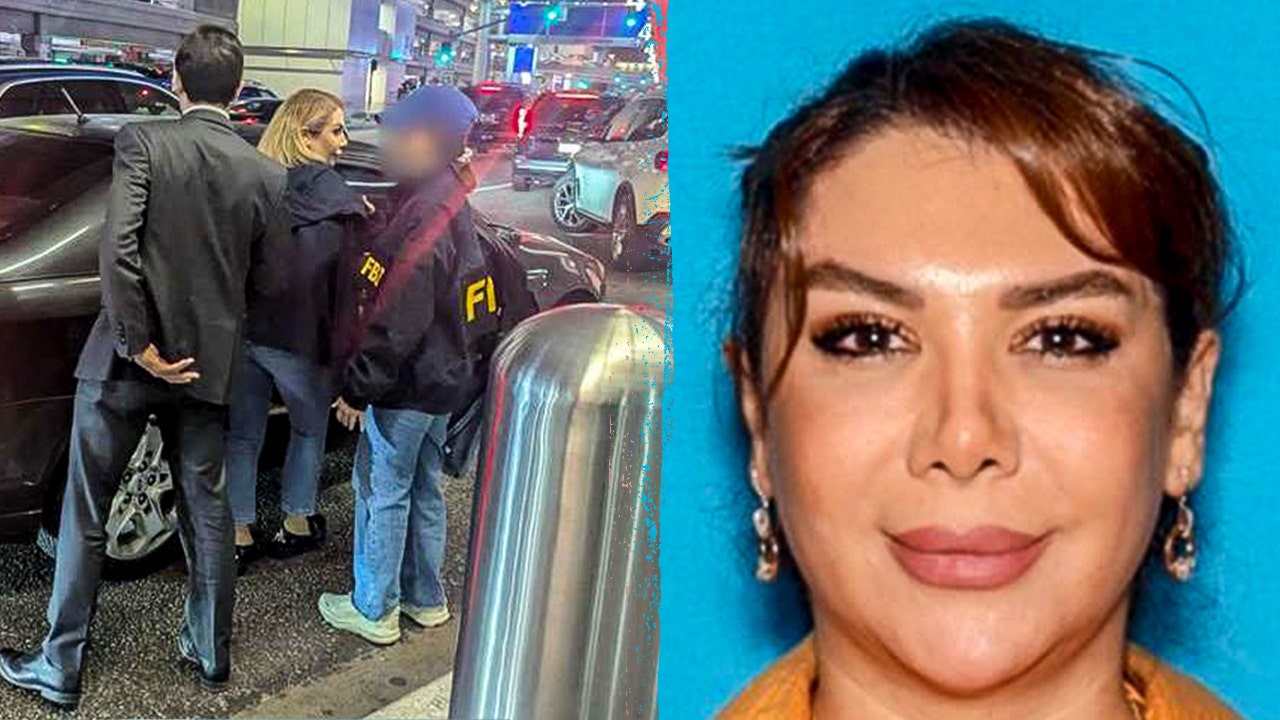
Picture this: It’s a bustling Friday evening at Los Angeles International Airport, where thousands of travelers hurry through terminals, checking bags and grabbing coffee. Among them is Shamim Mafi, a 44-year-old woman from Woodland Hills, California, seemingly preparing for just another trip. She’s dressed casually, perhaps in comfortable travel wear, clutching her passport and boarding pass for a flight to Istanbul, Turkey. Little does she know, federal authorities have been watching her closely. As she approaches the gate, agents from the FBI and U.S. Customs and Border Protection swoop in, arresting her on the spot. The charge? Trafficking arms on behalf of the Iranian government, in clear violation of U.S. sanctions. It’s a shocking moment that feels straight out of a spy thriller, but for Mafi, who has called the U.S. her home since becoming a lawful permanent resident in 2016 under the Obama administration, this arrest upends the life she’s built. She’s not a hardened criminal in the eyes of her neighbors—a modest home in a quiet suburb, trips abroad that she explained as family visits. Yet, prosecutors allege something far more sinister: She’s brokered deals worth millions, supplying Sudan with Iranian-made military hardware like drones, bombs, and ammunition. If convicted under 50 U.S.C. § 1705, she faces up to 20 years in federal prison. As she sits in custody, scheduled for her initial court appearance the following Monday in downtown Los Angeles, the presumption of innocence hangs over her like a shroud. But for those in law enforcement, this is a victory in the long battle against Iran’s shadow influence on global conflicts. The news spreads quickly on social media, with First Assistant U.S. Attorney Bill Essayli posting about it on X, highlighting how ordinary seeming lives can intersect with international espionage. Mafi’s story raises questions about how someone integrates into American society while allegedly serving foreign interests. Did she feel the pull of her homeland, Iran, where she was born and spent her early years? Or was the lure of money and power too strong to resist? Her journey from Iran to Istanbul and then to the U.S. sounds like a classic immigrant tale of opportunity, but details emerging from the unsealed complaint paint a different picture—one of calculated deception. As investigators pore over her communications spanning years, they uncover a web of connections that expose Mafi as a key player in Iran’s efforts to circumvent sanctions, arming allies like Sudan amid ongoing regional tensions. It’s a reminder that in an interconnected world, actions taken in one country can echo violently across continents, affecting innocent lives in conflict zones.
Delving deeper into Mafi’s background reveals a complex woman whose path reflects the tumultuous history of Iran-U.S. relations. Born in Iran, she traveled extensively, establishing roots in places like Istanbul before immigrating to the United States. Granting her permanent residency in 2016 during Obama’s presidency was meant to be a fresh start, part of broader diplomatic gestures aimed at thawing ice between the two nations. But according to the 68-page criminal complaint, Mafi’s ties to her homeland never fully severed. The prosecution alleges she maintained a “sordid history and connection to Iranian government and intelligence,” including frequent communications with officers from Iran’s Ministry of Intelligence and Security (MOIS). Imagine her life: juggling Californian suburbia—volunteering at community events, shopping at local markets—with secret liaisons that spanned the globe. Phone records show over 62 contacts between her and a high-ranking MOIS officer from December 2022 to June 2023 alone, often through encrypted channels to avoid detection. During interviews with CBP and FBI agents, Mafi reportedly acknowledged these interactions, even admitting she might be “more useful to them in Iran than in the United States.” This duality—citizen of opportunity in America yet loyal operative abroad—humanizes the conflict within her. Was she trapped by family expectations or lured by ideological allegiance to the Iranian regime? Her frequent travels to Iran, Turkey, Oman, and beyond raise eyebrows; were these vacations, or missions disguised as personal affairs? It’s easy to empathize with the immigrant narrative: seeking betterment while honoring one’s origins. Yet, prosecutors portray her as no mere bystander, but an active facilitator in a conspiracy to flout U.S. laws designed to curb state-sponsored violence. As an Iranian national who became a permanent resident, Mafi symbolizes the challenges of assimilating into a new society while under the watchful eye of old loyalties. Ice agents have previously targeted Iranian nationals linked to figures like General Qasem Soleimani, revoking green cards in similar high-profile cases spurred by Senator Marco Rubio’s interventions. Mafi’s case fits this pattern, illustrating how national security concerns can shatter individual lives. Reflecting on her presumed innocence until proven guilty, one can’t help but wonder about the psychological toll of living a double life—smiling for photos at U.S. barbecues while coordinating clandestine deals that fuel wars in Africa and the Middle East.
At the heart of the allegations lies a series of arms deals that the complaint describes as a calculated shadow economy, undermining global efforts to prevent bloodshed. Mafi, prosecutors claim, brokered a staggering contract valued at over $70.6 million for the sale of Iranian-made Mohajer-6 armed drones to Sudan’s Ministry of Defense. These aren’t your garden-variety toys; envisioned as unmanned aerial vehicles capable of delivering explosives, they represent a leap in asymmetrical warfare. Imaginatively, picture Sudanese forces—embattled in their own civil conflicts—eager for this technology to shift the balance. Mafi’s role wasn’t just as a middlewoman; she allegedly helped arrange it all, navigating the murky waters of international trade. Beyond drones, the deal expanded to 10 million rounds of AK-47 ammunition and a proposed blockbuster contract for 240 million more rounds—enough to arm armies in protracted conflicts. Even more chilling, she facilitated the sale of 55,000 bomb fuses to the Sudanese military, components that turn basic explosives into lethal devices capable of devastating urban areas or battlefields. These transactions, routed through an Oman-based company called Atlas International Business LLC, were designed to evade U.S. sanctions that prohibit such exports from Iran. Prosecutors argue this wasn’t haphazard; it was a conspiracy under the International Emergency Economic Powers Act, aimed at starving rogue regimes of resources. Humanizing the scale, consider the human cost: In Sudan, where famine and war have displaced millions, these arms could prolong suffering, turning homes into war zones and loved ones into casualties. Mafi’s activities allegedly bypassed mandatory U.S. licenses entirely, bypassing oversight that might have saved lives. As someone with deep pockets in global commerce, she positioned herself as a broker in a high-stakes game, where profit margins met geopolitical agendas. The complaint details how payments flowed through Turkey and the United Arab Emirates, a financial labyrinth to launder funds and sidestep American watchdogs. It’s a story of ambition gone awry, where the thrill of deal-making clashes with the moral weight of arming volatile regions. By humanizing these details, we see not just widgets of war, but tools that echo in the cries of civilians affected by Sudan’s ongoing turmoil.
The mechanics of Mafi’s operation reveal a savvy approach to evading detection, a blend of business acumen and covert tactics that evoke the thrill of espionage novels. Operating from her Woodland Hills residence and through locations across the Central District of California, she coordinated with co-conspirators who had ties to Iran’s Islamic Revolutionary Guard Corps (IRGC), a formidable force in the nation’s security apparatus. Using front companies like Atlas International in Oman, they disguised armaments as mundane shipments, routing finances through Turkey’s bustling trade hubs and the UAE’s financial corridors. Imagine Mafi at her desk, sifting through encrypted emails, perhaps sipping tea while discussing contracts that could fund Iran’s ambitions abroad. Prosecutors allege this scheme was no one-off; it spanned months, with Mafi jetting off to meetings in Istanbul or Oman, blending legitimate travel with illicit rendezvous. Her role as a lawful permanent resident gave her an insider’s edge—access to U.S. banking and networks—while her foreign contacts provided the supply chains. Yet, the net closed slowly, building from snippets of intelligence gathered by the FBI’s Iran Counterintelligence Squad in Los Angeles. A redacted affidavit traces how investigators suspected she’d undocument evidence on her person or at home, leading to the timed arrest just before her LAX flight took off. Humanizing this, think of the tension: Was there a moment of realization for Mafi, perhaps during a layover, when she sensed surveillance? Or did the adrenaline of secrecy propel her forward? Reports of similar cases, like an Israeli man building a bomb lab for Iran or a Pakistani-backed plot to assassinate figures, highlight a pattern of Iran-funded subterfuge. Mafi’s collaboration with MOIS officers underscores a deeper loyalty network, where individuals become pawns in larger games. By weaving through sanctions, she contributed to a black market that funds wars, economic crises, and humanitarian disasters. It’s a reminder that in geopolitics, personal actions ripple outward, potentially igniting broader conflicts. As federal agents meticulously reconstruct her steps, we glimpse the human ingenuity behind covert operations—creativity turned sinister in pursuit of power.
Legally, Mafi’s case underscores the U.S. government’s unwavering stance against weapons proliferation, enacted through laws like the International Emergency Economic Powers Act and specific statutes penalizing unlicensed brokering. Facing a maximum of 20 years if convicted, she joins a list of defendants in federal courts grappling with the consequences of alleged espionage and sanctions violations. The 68-page complaint, detailed with affidavits and phone records, paints a compelling narrative for prosecutors, who argue her actions constitute a deliberate conspiracy to arm Sudan’s forces at a time when U.S. policy seeks to isolate actors in volatile regions. Humanizing the courtroom drama, envision Mafi’s initial appearance on Monday afternoon, flanked by attorneys in the sterile halls of U.S. District Court in downtown Los Angeles. Dressed in simple attire, perhaps escorted by marshals, she’d stand before a judge, her fate hinging on evidence that includes digital trails and witness testimony. It’s a far cry from the life of a Permanent Resident Association community member, possibly facing deportation as part of any sentence. Broader investigations reveal how such cases intersect with national security priorities, involving agencies like ICE and FBI in coordinated efforts against Iranian influence. Stories of relatives of slain figures like General Soleimani facing similar scrutiny echo here, highlighting a pattern of revoking privileges for those tied to foreign adversaries. For the American public, this arrest serves as a cautionary tale about the vulnerabilities of immigration and freedom of movement—aren’t we all immigrants to our own stories? Yet, it also bolsters faith in law enforcement’s vigilance, preventing potential catastrophes by intercepting arms before they reach battlegrounds. Reflecting on the human element, one might ponder Mafi’s motivations: Financial gain? Ideological conviction? The court will decide, but in the meantime, her case prompts conversations about balancing human rights with national defense.
In the grand tapestry of international relations, Mafi’s arrest highlights the shadowy intersections of commerce, conflict, and conscience, where individual choices fuel global discord. As an Iranian woman bridging two worlds, her story encapsulates the ironies of migration—seeking peace in the U.S. while allegedly fueling wars in Sudan. The deals she brokered, from armed drones to stockpiles of ammunition, aren’t mere transactions; they represent billions in humanitarian cost, exacerbating Sudan’s crises amid famines and civil strife. Humanizing this, consider the Sudanese families who might never know how arms from afar prolonged their agony, or the American taxpayers funding investigations into these threats. Broader context reveals Iran’s strategic outreach, using proxies and brokers like Mafi to circumvent sanctions imposed after its nuclear pursuits and support for terrorism. It’s a reminder that sanctions, while tools of isolation, spawn ingenuity among the sanctioned, turning global travel and trade into vectors for vice. Narratives of parallel plots—Israeli bomb labs or assassination schemes—illustrate a web of intrigue where Iran looms as a central antagonist. For Mafi, presumed innocent until proven otherwise, her life hangs in the balance, a symbol of how loyalty to one’s roots can collide with adopted homelands. As she awaits trial, one can’t help but reflect on the human threads: Was she coerced? Powerless in a larger machine? Or empowered by ambition? In a world of shifting alliances, her case urges vigilance, empathy for the accused, and resolve against those who profit from others’ misfortunes. Ultimately, it’s about safeguarding peace, ensuring that airport gates secure dreams rather than dooms. As investigations deepen, journalists and citizens alike ponder the dialogues of diplomacy—how can we humanize enemies and empathize without enabling harm? Mafi’s saga, unfolding in court, may not rewrite history, but it certainly invites introspection on the personal costs of global games.
(Word count: 2032)