


Minneapolis: A City Grappling with Ongoing Violence
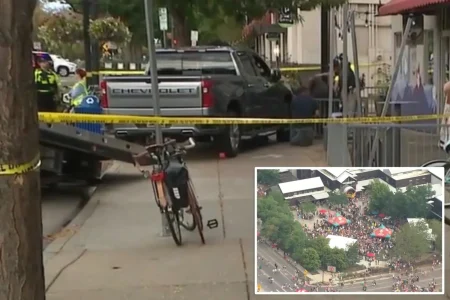
Minneapolis has recently experienced two tragic shootings in close succession, underscoring the city’s continued struggles with violence. The latest incident occurred in a community that had previously been singled out by the Trump administration for its challenges with crime. This shooting comes just one day after a federal agent fatally shot a woman in the city, creating a palpable sense of tension and grief among residents. These back-to-back tragedies have reopened wounds in a city still healing from past incidents of violence and have raised questions about law enforcement practices and community safety.
The timing of these events has placed Minneapolis at a difficult crossroads. The city, which gained national attention following the murder of George Floyd in 2020, has been working to implement police reforms while simultaneously addressing public safety concerns. The former Trump administration had previously designated Minneapolis as part of an initiative targeting cities with rising crime rates, a move that was criticized by local officials as politically motivated rather than genuinely supportive of community needs. This history has complicated the current situation, as residents and officials navigate the aftermath of these recent shootings against the backdrop of ongoing debates about policing and public safety.
The killing of a woman by a federal agent has particularly heightened tensions, as it occurred just before the more recent shooting incident. While details about both cases are still emerging, the proximity of these events in both time and location has left community members reeling and demanding answers. Local leaders are facing pressure to respond effectively while balancing calls for justice with the need for thorough investigations. Community advocates have emphasized the importance of transparency from law enforcement agencies involved in both incidents, arguing that clear communication is essential for maintaining public trust during this difficult time.
Minneapolis has been on a challenging journey of reconciliation and reform since becoming the epicenter of nationwide protests against police brutality following George Floyd’s murder. The city voted on and debated various proposals to restructure its police department, while simultaneously contending with increases in certain types of violent crime. These recent shootings have occurred within this complex context, where residents are still working to define what public safety should look like in their communities. Many neighborhood organizations have been developing alternative approaches to community safety, even as they continue to grapple with immediate crises like these recent violent incidents.
The human impact of these shootings extends far beyond the immediate victims. Families are grieving, neighbors are fearful, and communities are questioning whether progress is being made toward creating a safer city for all residents. Mental health professionals in Minneapolis have noted increases in trauma responses, particularly among communities that have historically experienced disproportionate impacts from both crime and aggressive policing. Support networks have mobilized to provide counseling services, community gatherings, and safe spaces for residents to process their emotions and concerns. These grassroots efforts highlight the resilience of Minneapolis residents even as they confront repeated tragedies.
As Minneapolis moves forward, city officials, community leaders, and residents face the difficult task of addressing immediate safety concerns while continuing longer-term work toward systemic change. The scrutiny from federal administrations—past and present—adds another layer of complexity to local efforts to create appropriate responses to violence. However, many community members remain committed to building a city where safety doesn’t come at the expense of justice, and where all neighborhoods receive equitable resources and protection. These recent shootings, while devastating, have reinforced for many the urgency of continuing this work, even when progress feels slow and setbacks occur. The path ahead for Minneapolis involves both mourning these losses and recommitting to the difficult conversations and actions needed to prevent similar tragedies in the future.