


Early Morning Blaze Engulfs Upper Floors of Bronx High-Rise
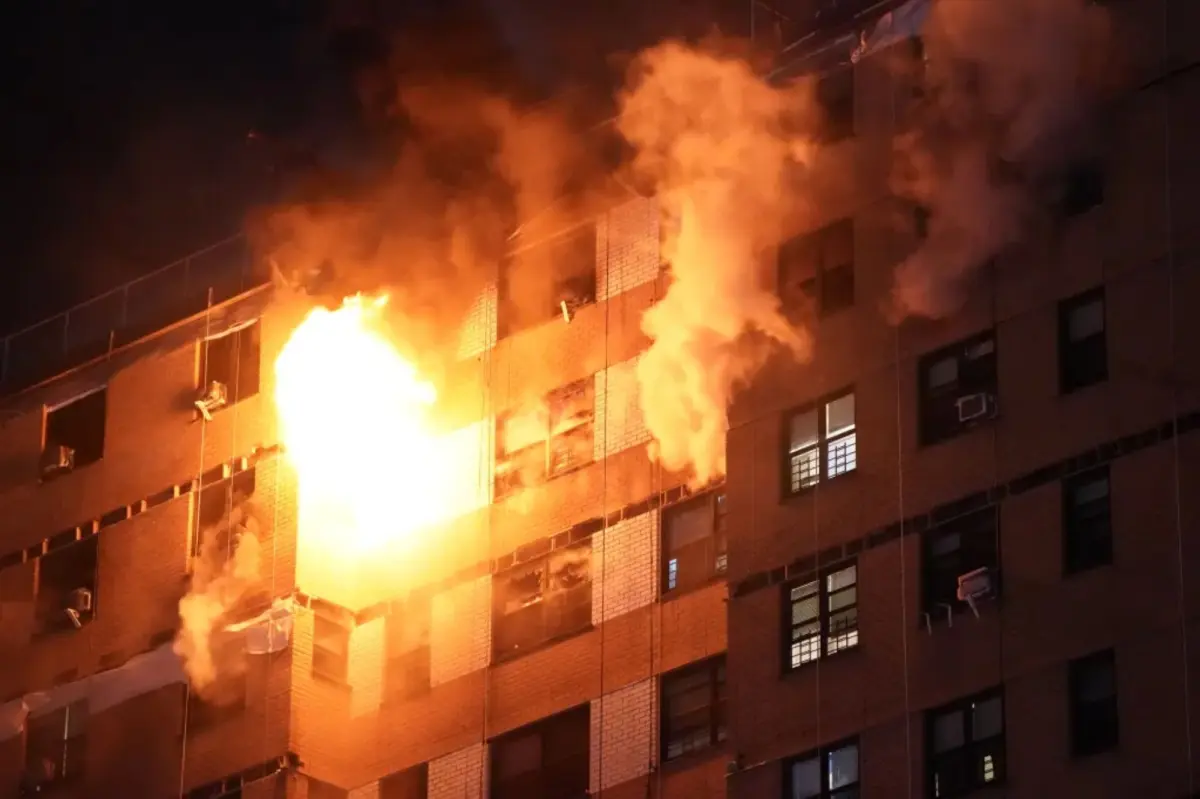
In the quiet hours after midnight on Saturday, New York City firefighters rushed to battle a significant fire that broke out in a 17-story Bronx apartment building. The 4-alarm blaze, which began shortly after midnight, quickly spread across multiple apartments on the top two floors of the high-rise. The New York City Fire Department responded swiftly to the emergency, with over 200 fire and emergency personnel arriving at the scene to contain the growing inferno. As residents were awakened by alarms and the commotion of emergency responders, the night sky above the Bronx was illuminated by the glow of flames that could be seen engulfing portions of the building’s upper levels, a frightening sight captured in videos posted to social media.
The pre-dawn emergency mobilized a substantial portion of the city’s emergency resources, highlighting the serious nature of high-rise fires in densely populated urban areas. Firefighting in tall residential buildings presents unique challenges – the height makes access difficult, evacuation more complicated, and the concentration of homes means many lives are potentially at risk. The FDNY, recognized as one of the most experienced departments in handling such complex urban emergencies, implemented their high-rise firefighting protocols, with teams working both inside the building and from exterior positions to control the spreading flames. The response reflected the city’s heightened awareness of fire safety in residential towers, a concern that has grown following several tragic fires in recent years that have underscored the vulnerability of apartment dwellers.
As dawn broke over the Bronx neighborhood, exhausted firefighters continued their efforts to fully extinguish the blaze and secure the building. The immediate focus remained on ensuring all residents were accounted for and that the fire was completely contained. At the time of initial reports, fire officials had not released information regarding potential injuries among residents or emergency responders. The absence of confirmed casualties offered a tentative hope that despite the fire’s intensity and the late hour at which it began, evacuation efforts may have been successful. Neighbors gathered on nearby streets, some still in nightclothes, watching the operation with concern for friends and community members whose homes were in jeopardy.
The cause of the fire remained undetermined in the immediate aftermath, with fire marshals expected to begin their investigation once the situation was fully stabilized. In apartment buildings, fires can stem from numerous sources – electrical malfunctions, unattended cooking, improper disposal of smoking materials, or even arson. The investigation would likely involve examining the point of origin, interviewing residents, and analyzing any available security footage from common areas. The determination of cause would be crucial not only for understanding this specific incident but potentially for preventing similar occurrences in other buildings throughout the city.
The community impact of such fires extends well beyond the immediate emergency. For affected families, the damage represents not just property loss but disruption of their most fundamental security – their homes. Many residents face temporary displacement, with some potentially losing irreplaceable personal possessions, family mementos, and the comfort of familiar surroundings. The Red Cross and other emergency assistance organizations typically mobilize quickly in such situations, helping to provide temporary shelter, essential items, and emotional support to those affected. Neighbors often rally together as well, offering spare rooms, collecting donations, and providing meals to those suddenly finding themselves without homes, demonstrating the resilience and communal spirit that emerges in times of crisis.
This Bronx high-rise fire serves as another sobering reminder of the critical importance of fire safety infrastructure and practices in urban residential buildings. While modern high-rises are typically constructed with numerous safety features – sprinkler systems, fire-resistant materials, and multiple evacuation routes – older buildings may lack some of these protections. Fire safety advocates consistently emphasize the importance of working smoke detectors, unobstructed fire exits, proper door-closing mechanisms to prevent the spread of smoke, and regular fire drills so residents know evacuation procedures. As the investigation into this particular fire proceeds and recovery efforts begin, both officials and community members will likely reflect on what additional measures might prevent such dangerous situations in the future, continuing the never-ending effort to balance urban density with safety for all residents.