





The Dramatic Arrest of a Shadowy Hacker: Unraveling a Global Cyber Threat
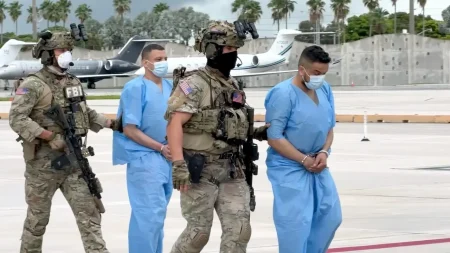
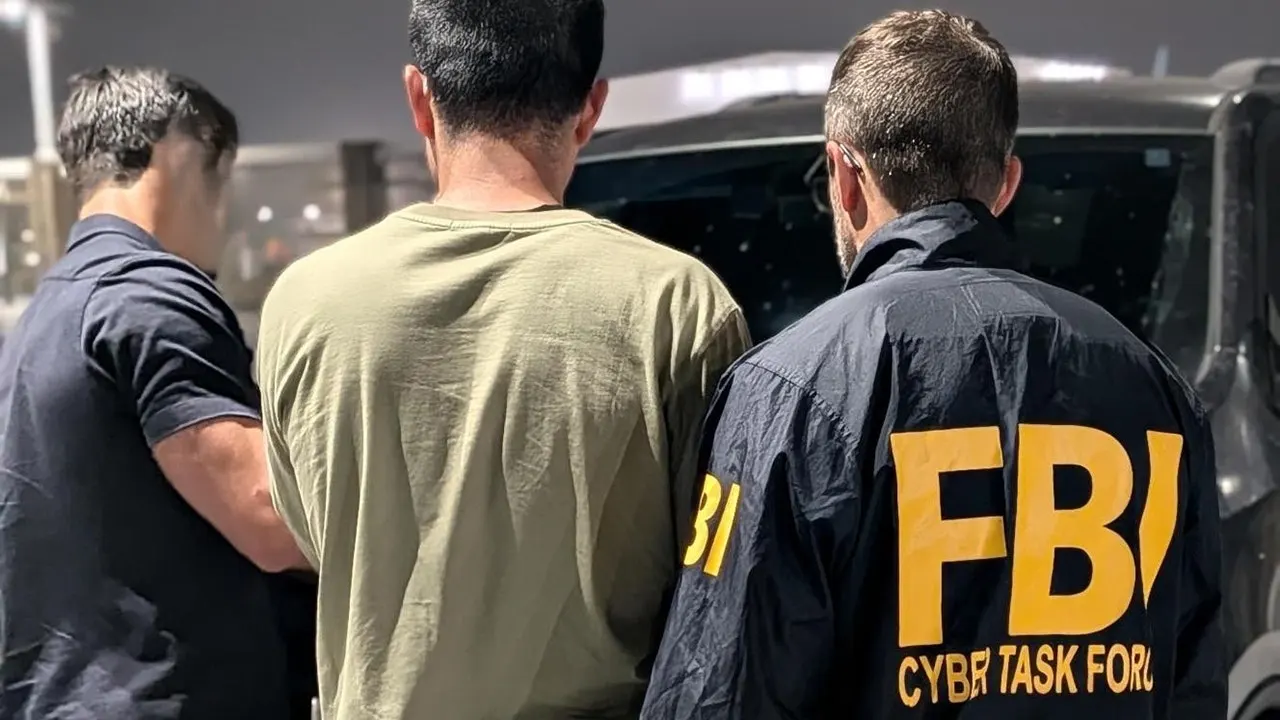
In the world of international espionage and digital warfare, few stories capture the tension and high-stakes drama quite like the saga of Xu Zewei, a Chinese national now facing the full force of American justice for allegedly pilfering vital COVID-19 research during one of humanity’s darkest hours. It all began with a seemingly routine extradition from Italy, but as FBI Director Kash Patel revealed on Tuesday, this case marks a “historic win” for U.S. cybersecurity efforts spearheaded under President Trump. Patel, a key figure in law enforcement, framed the development as a bold statement: no matter where cybercriminals hide, the long arm of American law can reach them. Xu, once a faceless operative in the shadows of the internet, was finally brought to U.S. soil over the weekend, ready to confront federal charges that could redefine how we think about state-sponsored hacking. This isn’t just about one man’s crimes; it’s a poignant reminder of how vulnerable our scientific frontiers are in an era where pandemics and geopolitics collide. Imagine the pressure on researchers racing to develop vaccines and treatments amid a deadly virus—they worked tirelessly, unaware that their breakthroughs were being siphoned away by foreign agents. Xu’s extradition feels like a turning point, a moment where justice triumphs in a digital age fraught with invisible battles. As Patel noted, Xu is accused of playing a central role in a massive cyber intrusion campaign from 2020 to 2021, targeting American universities, immunologists, and virologists engaged in groundbreaking COVID-19 work. These were the unsung heroes of science, pouring their lives into labs and research papers, only to have their emails hacked and their secrets stolen. The irony is palpable: while the world applauded the rapid development of COVID-19 vaccines, fueled by American ingenuity, foreign powers were covertly exploiting that very knowledge for their own gain. Xu, living comfortably in Italy at the time, thought he could evade consequences, but Patel’s announcement shattered that illusion. “Bringing bad actors who target American infrastructure to justice no matter where they try to hide,” Patel declared, his words echoing the determination of a nation that’s been on the defensive against cyber adversaries. This case humanizes the abstract threat of hacking—it’s not just code on a screen; it’s a betrayal of the global effort to combat a shared crisis. Ordinary people trusted in the research; families looked to immunologists for hope, yet Xu allegedly disrupted that trust by acting as a digital thief in the night. His capture underscores how international cooperation, in this instance with Italy’s Prefect Vittorio Pisani and the Italian National Police, can break down barriers. It’s a story of persistence, where sleepless nights of investigation paid off, turning a ghost in the machine into a handcuffed defendant. As we delve deeper, we see Xu’s actions rippling out like a stone in a pond, raising questions about ethics, sovereignty, and the unseen costs of geopolitical rivalry during a pandemic that left millions grieving.
Delving into the heart of Xu’s alleged crimes, we uncover a meticulously planned operation that thrived on exploiting the chaos of the COVID-19 pandemic. From the second half of 2020 through 2021, when hospitals were overwhelmed and scientists were burning the midnight oil, Xu and his co-conspirators launched a relentless assault on U.S.-based institutions. Patel described it as targeting universities, immunologists, and virologists directly involved in researching key treatments and vaccines—think of the frantic collaboration between virologists at places like the University of Texas Medical Branch, where groundbreaking work on virus origins and immunotherapies was underway. Imagine a researcher in a lab coat, hunched over a microscope, frustrated by yet another failed test, oblivious to the online breach that plundered their emails and intellectual property. Xu allegedly accessed email accounts and more, sifting through personal correspondences, data files, and confidential reports that could have been game changers. This wasn’t random hacking; it was targeted, with Xu confirming successes in compromising networks, as detailed in court documents. For instance, on February 19, 2020, he reported breaching a Southern District of Texas research university’s network to a supervisor. Just days later, on February 22, he received specific directives to dive into the email mailboxes of key virologists and immunologists studying COVID-19. Xu followed through, later affirming that he’d extracted the contents—emails laden with unpublished data on potential therapies, vaccine trials, and epidemiological insights. Reading this, one can’t help but empathize with the betrayal felt by those scientists; their dedication, often at personal risk, was undermined by a faceless intruder who saw their work as mere loot. Patel’s account paints a vivid picture of a digital heist, where Xu acted as a conduit for stolen knowledge, undermining global health efforts. This humanizes the cyber threat: it’s not just about code or servers, but the exhaustion and heartbreak of frontline workers who might have sped up cures had their data not been compromised. The timing couldn’t be worse—during the pandemic’s peak, when misinformation swirled and lives hung in the balance, Xu’s actions potentially delayed breakthroughs. It’s a sobering look at how cyber espionage preys on our collective vulnerability, turning a time of unity into one of hidden warfare. Authorities revealed that Xu wasn’t operating solo; he was part of a broader nexus, allegedly tied to Chinese state entities that directed his every move.
Now, facing the music on American soil, Xu is confronted with a formidable array of federal charges that reflect the gravity of his purported deeds. According to the Justice Department, he’s up against nine counts in total, including two for wire fraud, two for obtaining information through unauthorized access to protected computers, and one for aggravated identity theft—a charge that hits particularly hard in an age where identity theft can shatter lives. Each count of wire fraud carries a maximum penalty of 20 years in prison, painting a scenario where Xu could spend decades behind bars if convicted on all fronts. This legal reckoning isn’t just punitive; it’s designed to deter, sending a clear message to would-be hackers that the U.S. won’t tolerate intrusions into our most sensitive domains. Imagine the courtroom drama: Xu, once emboldened by his remote exploits, now staring down prosecutors who lay out the evidence of his digital footprints. The charges stem from the essence of his crimes—fraudulently accessing and transmitting protected information, impersonating identities to gain footholds in secure systems. Wire fraud typically involves schemes to defraud, and in Xu’s case, it ties directly to the illicit transfer of COVID-19 research data, which could have economic and health ramifications. Aggravated identity theft amplifies the punishment, recognizing the broader harm caused by using or trafficking in stolen personal details. For the average person, this evokes empathy for victims: think of a researcher whose email compromise might lead to doxxing, harassment, or even job loss. The penalties underscore how seriously the U.S. takes these offenses, treating them as breaches of national security wrapped in financial deceit. Patel’s framing of this as a victory emphasizes the prosecutorial pursuit of justice, not just for retribution, but to restore faith in institutions. Yet, it’s humanizing to consider Xu himself—not as a monster, but perhaps as someone caught in a web of state obligations, now facing the consequences in a foreign system of law. Extradited from Italy, where he may have believed he was safe, Xu’s story reminds us of the interconnectedness of global law enforcement. While the charges are severe, they reflect a nation’s resolve to protect its intellectual treasures, ensuring that hackers can’t pilfer with impunity. In a broader context, these indictments contribute to a growing catalogue of cyber crime prosecutions, highlighting the evolution of international extradition agreements. One wonders about Xu’s mindset as he enters this new chapter—regret for upsetting a fragile global health balance, or defiance against a system he views as adversarial?
Peeling back the layers, Xu’s alleged activities reveal a disturbing nexus with China’s intelligence apparatus, painting a portrait of state-directed espionage that blurs the lines between individual criminality and sovereign operations. Court documents unveiled by the Justice Department assert that Xu was directed by officers from the People’s Republic of China’s (PRC) Ministry of State Security’s (MSS) Shanghai State Security Bureau (SSSB)—a potent arm responsible for domestic counterintelligence, foreign intelligence, and political security. This isn’t freelance hacking; it’s orchestrated from the top, with Xu and his partners dutifully reporting their progress to supervising officers. It’s a chilling glimpse into how a government weaponizes cyber tools, treating research institutions as battlegrounds in an invisible war. Patel elaborated that Xu was a key contractor in the HAFNIUM group, a notorious cyber entity linked to PRC officials that infiltrated nearly 13,000 U.S. organizations—ranging from corporations to government entities—in one of the largest cyber campaigns on record. HAFNIUM isn’t just a name; it’s a symptom of a broader strategy to erode American advantages in science and technology. Humanizing this, consider the PRC’s perspective: in their eyes, this might be protective “intelligence gathering,” safeguarding national interests amid rumors of lab leaks and geopolitical tensions. Yet, from the U.S. vantage, it’s a brazen assault on academic freedom and global collaboration. Xu’s confirmations to SSSB officers—like hacking a Texas university’s network and plundering researcher emails—expose a hierarchical structure, where operatives receive marching orders and deliver spoils. This humanizes the espionage: Xu, an individual with skills honed in the digital realm, became a puppet in a larger puppet show, his actions echoing directives from faceless bureaucrats. The MSS and SSSB’s involvement underscores the PRC’s evolving cyber doctrine, which marries patriotism with aggression, targeting vulnerabilities during crises like COVID-19. For American readers, this evokes a mix of outrage and concern—our universities, sanctuaries of learning, reduced to targets. It highlights the need for robust defenses, but also questions: how do we foster international trust when states exploit open knowledge exchange? Xu’s connections to these agencies make his extradition more than a legal win; it’s a diplomatic victory, pressuring China to reckon with allegations of sponsored interference. In recounting this, we see the human cost—researchers demoralized by breaches, collaborations tainted by suspicion—and the imperative for vigilance in an increasingly digitized world.
As the dust settles on Xu’s extradition, it’s worth reflecting on the collaborative triumph that made it possible, and the lingering implications for cybersecurity worldwide. Patel expressed gratitude to international partners, particularly Prefect Vittorio Pisani of the Italian National Police, who “worked with us nonstop” to secure Xu’s custody. This partnership embodies the esprit de corps among global law enforcers, turning a transatlantic investigation into a model of persistence. Without their unflagging support, Xu might have remained at large, continuing his exploits from European soil. Patel’s praise for the FBI’s efforts under Trump’s administration adds a political layer, framing the arrest as emblematic of renewed American strength in cyber defense. Humanizing this, imagine the relentless grind of investigators—poring over digital traces, piecing together Xenon-like puzzles from emails and IP logs, all while coordinating across time zones and jurisdictions. It’s not just bureaucracy; it’s the dedication of professionals protecting the commons from unseen foes. Fox News Digital reached out to Xu’s attorneys for comment, a nod to due process in an otherwise accusatory narrative. Yet, beyond the headlines, this case illuminates bigger themes: the fragility of scientific progress in a polarized world, where pandemics amplify divisions rather than unite. We empathize with the victims—virologists who sacrificed holidays and health only to see their work stolen—and root for justice that deters repetition. Xu’s fate could set precedents for extraditing other cybercriminals, fostering a safer digital ecosystem. In an era of hypersonic races and cyber edges with China and Russia, as noted in related reports, this extradition signals U.S. willingness to confront hybrid threats head-on. It humanizes global security: ordinary citizens, reliant on research for vaccines and cures, benefit from these hard-won victories. As Patel asserted, it’s about holding bad actors accountable, ensuring that innovation flourishes free from shadows. While Xu awaits trial, his story prompts introspection—how we balance openness in science with safeguarding against espionage, and the human toll of such espionage on families and communities left vulnerable by a hacker’s code. Ultimately, this chapter in cyber history reminds us that justice, though delayed, is not denied, weaving a tapestry of resolve against impersonal threats.
Finally, Xu Zewei’s extradition isn’t merely a footnote in the annals of international relations; it’s a catalyst for rethinking how nations safeguard their intellectual legacies amid escalating cyber rivalries. As FBI Director Kash Patel’s announcement reverberates, it invigorates discussions on fortified defenses and transnational cooperation, ensuring that hackers can’t turn global crises into personal playgrounds. Humanizing the narrative invites us to ponder Xu himself—a skilled operative, perhaps driven by ideological fervor or coerced loyalty, now estranged from his homeland and thrust into the U.S. justice system. We might feel a flicker of sympathy for the human element: someone lured into espionage’s web, facing isolation and repercussions far from home. Yet, the sheer scale of his alleged campaign—stealing from researchers at a time when society clung to scientific hope—dims such empathy, reinforcing the imperative for accountability. Patel’s emphasis on Trump’s cybersecurity wins ties this to broader policy shifts, arguing for stronger measures against state actors exploiting digital frontiers. In popular consciousness, this evokes cinematic tropes of spies and traitors, but reality is grittier: the quiet heroism of investigators, the bureaucratic grind of extraditions, and the unseen fatigue of prosecutors building airtight cases. As legal proceedings unfold, with potential trial dates looming, the case could yield insights into PRC tactics, prompting alliances like the Quad or NATO to bolster cyber shields. For everyday people, it underscores personal vigilance—changing passwords, questioning data sharing—amid a landscape where “phishing” transcends fishing metaphors to embody real theft of livelihoods. Xu’s example humanizes cyber threats: it’s about more than bytes; it’s the violation of trust in communities, from university campuses to global health forums. Acknowledging Fox News’ initiative to make articles listenable adds accessibility, democratizing information in an overwhelming news cycle. Ultimately, this saga beseeches vigilance, urging societies to invest in education and technology that thwart such incursions. As Xu faces his day in court, we reflect on the resilience of democracy against opaque aggressions, finding hope in collective action. Patel’s “historic win” isn’t just bravado; it’s a pledge that, in the digital theater of war, the arc of justice can arc toward accountability, preserving the sanctity of human progress for future generations.