


Nestled within the sweeping valleys of the Appalachian Mountains, West Virginia boasts a landscape defined by breathtaking natural beauty, close-knit communities, and a deeply resilient spirit. Yet, for too long, many of its small towns and historic neighborhoods have quietly struggled under the heavy, agonizing weight of the modern narcotics epidemic—a complex crisis that tears at the very fabric of family life and brings a shadow of gun-related violence to otherwise peaceful streets. Acknowledging this profound human struggle, the Federal Bureau of Investigation, alongside its regional partners, recently took a decisive stand to reclaim these vulnerable communities. Through a yearlong, intensive federal endeavor known as Operation Turf War, which was launched in the early months of 2025 by FBI Pittsburgh and FBI Baltimore in tandem with the Eastern Panhandle Drug and Violent Crimes Task Force, law enforcement officials targeted the illicit networks feeding addiction and hostility in the region. This highly coordinated operation ultimately culminated in federal charges brought against thirty-five individuals for serious narcotics trafficking and firearms offenses. This targeted crackdown did not merely result in handcuffs; it successfully seized a vast array of illegal firearms, removed highly lethal batches of narcotics from local streets, and initiated the civil forfeiture of financial proceeds that were allegedly destined to fund future violent criminal activities. For the families residing in these affected West Virginian towns, the sweep represents far more than just a successful bureaucratic milestone. It serves as a tangible, long-awaited breath of fresh air and a crucial step toward restoring peace, dignity, and basic safety to their doorsteps. By systematically dismantling the gangways of illicit commerce, the operation has begun the vital process of healing a community that has historically felt isolated in its grueling fight against the systemic plagues of substance abuse and localized neighborhood violence.
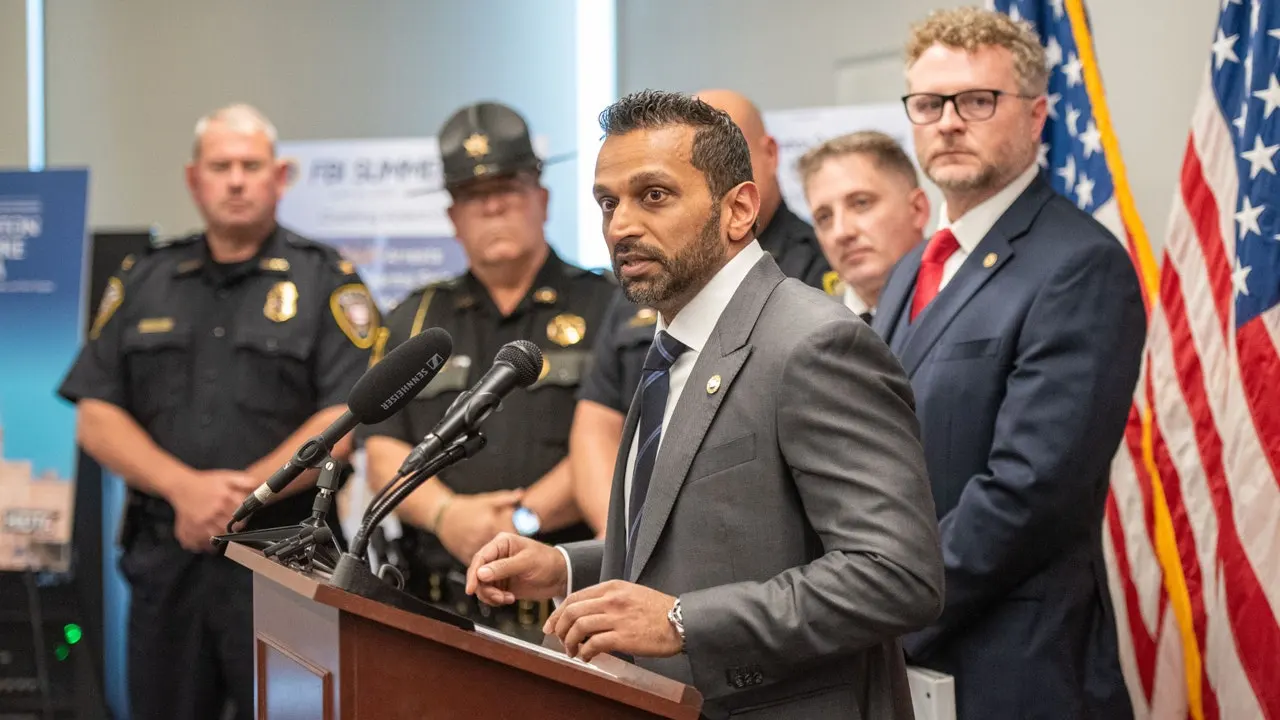
The profound success of Operation Turf War was not an accidental occurrence, nor was it the product of distant federal authorities acting in isolation; rather, it was forged through genuine empathy, meticulous planning, and grueling collaborative work on the ground. FBI Director Kash Patel emphasized this deeply human element, declaring that the operation was a direct and compassionate answer to the desperate calls for help from a community that needed protection the most. Delivering such monumental results required an unprecedented level of local, state, and federal unity, bringing together the specialized tactical expertise of the Martinsburg Police Department SWAT team, the Jefferson County SWAT team, and the Homeland Security Investigations SWAT team. These tactical officers, who are often neighbors and members of the very communities they protect, operated under immense personal risk alongside federal special agents to execute high-stakes maneuvers safely. Director Patel lauded this seamless integration as an exemplary model of what law enforcement partnerships should look like, noting that the operation utilized highly sophisticated technological techniques, trusted confidential informants, and precise enterprise-wide collaboration to systematically uproot entrenched criminal cells. For residents, seeing local officers work hand-in-hand with federal authorities provided a powerful sense of validation and solidarity. It sent a clear, undeniable message that their daily fears were heard and that they were not forgotten by the larger mechanisms of justice. The removal of thirty-five alleged criminals from these neighborhoods represents thirty-five fewer threats to local children, thirty-five fewer sources of lethal poison on the streets, and a monumental victory for the collaborative spirit of public service. It demonstrates that when different tiers of law enforcement shed institutional rivalries to focus entirely on human safety, they can dismantle even the most complex criminal operations.
This victory in West Virginia, however, is not a final destination, but rather the opening chapter of a much broader, nationwide narrative designed to safeguard communities across the United States. As the season transitions, the FBI has channeled the momentum gained from Operation Turf War into a massive national initiative dubbed Operation Summer Heat 2.0. This sweeping project is specifically constructed to combat the historically documented spikes in violent crime that tend to plague American cities and rural towns alike during the warm summer months. When school is out, public parks are full, and communities attempt to enjoy the summer, the threat of violence can cast a painful pall over neighborhoods. Running through September 20, Operation Summer Heat 2.0 is designed to counteract this seasonal vulnerability by replicating the intense, collaborative model proven in West Virginia on a truly continental scale. Over a highly focused 95-day period, federal agents will be deployed to actively support, empower, and collaborate with state and local police departments to disrupt violent groups before they can destabilize fragile neighborhoods. Director Patel highlighted that this intensive summer push is aimed at crushing violent crime in its tracks, promising that the entire country will witness the relentless dedication of the FBI as it works to return public spaces to the citizens they belong to. By addressing the unique environmental and social factors that fuel crime during this time of the year, the bureau is shifting from a standard reactive posture to an aggressive, protective shield. For parents who want nothing more than to let their children play outside without the fear of stray bullets, this initiative is a direct answer to their prayers, prioritizing human peace over static statistics.
The strategic foundations of Operation Summer Heat 2.0 are built upon the incredibly successful footprint of its predecessor, which was executed the previous year under the rigorous leadership of then-Deputy FBI Director Dan Bongino. To fully appreciate the human significance of the upcoming phase, one must look at the staggering scale of what the inaugural operation achieved in preserving American lives. During its initial run, the collective efforts of federal and local law enforcement resulted in more than 8,600 arrests nationwide and the execution of nearly 7,750 high-impact search operations. Furthermore, agents successfully seized 2,280 illegal firearms and took more than 44,560 kilograms of cocaine out of distribution. While these numbers are impressive on a federal spreadsheet, their true worth lies in the intangible tragedies they successfully prevented. The confiscation of over forty-four tons of cocaine represents millions of potential overdoses averted, countless families spared from the agonizing heartbreak of losing a loved one, and fewer communities torn apart by the desperate cycles of addiction and associated property crime. Likewise, removing over two thousand illegal firearms from the hands of violent offenders directly translates to safer streets, protected storefronts, and saved lives. The legacy of Dan Bongino’s leadership during that first iteration proved that a highly coordinated, large-scale offensive could produce tangible safety for millions of Americans. By taking these highly lethal elements out of the societal equation, the FBI demonstrated that proactive, joint-agency law enforcement is not merely about enforcing penal codes, but about actively defending the fundamental human right to live in peace and security, setting a high standard for the renewed summer initiative.
What distinguishes this year’s iteration, Operation Summer Heat 2.0, is its unprecedentedly vast scale and its deep reliance on building authentic, localized trust. Federal officials have openly acknowledged that Washington cannot solve local crime dilemmas through a top-down, detached approach; instead, the key to lasting peace lies in empowering the local sheriff’s deputies, municipal officers, and street-level detectives who understand the unique pulse and vulnerabilities of their specific jurisdictions. This year, the FBI is expanding its operational web wider than ever before, focusing heavily on mutual intelligence-sharing, joint tactical training, and the co-allocation of vital resources to ensure no community is left to fend for itself. As Director Patel energetically declared, the bureau is “just getting started” in its mission to dismantle the criminal syndicates that seek to colonize American neighborhoods with fear. This progressive philosophy of law enforcement recognizes that crime reduction is not a temporary public relations campaign, but an ongoing, daily commitment to structural change. By fostering deep, reciprocal relationships with local police departments, federal agents can help build a sustainable protective infrastructure that remains active long after the summer heat fades into autumn. This collaborative synergy helps demystify the federal government for local communities, showing residents that the FBI is not a distant, unapproachable entity, but a dedicated partner working shoulder-to-shoulder with their hometown heroes. Ultimately, this cooperative approach seeks to restore faith in the justice system, proving to weary citizens that their safety is being fiercely defended by a united front of law enforcement professionals who value community integrity above all else.
As Operation Summer Heat 2.0 marches forward through the warm days of September, the ultimate measure of its success will not merely be recorded in the final arrest tallies, search warrant logs, or kilograms of narcotics seized, but in the quiet, restored safety of daily American life. It will be seen in the vibrant return of community block parties, children playing freely in neighborhood parks, and local businesses operating without the constant threat of armed robbery. The lessons learned from the hard-fought successes of Operation Turf War in West Virginia serve as a bright, guiding beacon for what can be achieved when compassion, local expertise, and federal power converge. By confronting the devastating dual threats of illegal narcotics and firearm violence head-on, law enforcement agencies are actively rebuilding the foundational trust required for communities to thrive and flourish. This massive nationwide effort represents a profound investment in human dignity, offering hope to those who have long felt defenseless against the rising tides of systemic urban and rural decay. As the 95-day initiative progresses, it carries with it the collective aspirations of millions of citizens who yearn for safe streets and peaceful neighborhoods. Through persistent vigilance, relentless collaboration, and an unwavering commitment to public service, the men and women of the FBI and their local partners are working tirelessly to ensure that peace is not just a seasonal anomaly, but a permanent reality for every American family. In doing so, they are writing a vital new chapter in the ongoing story of national resilience, proving that when communities and law enforcement stand united, a safer, brighter future is entirely within reach.