


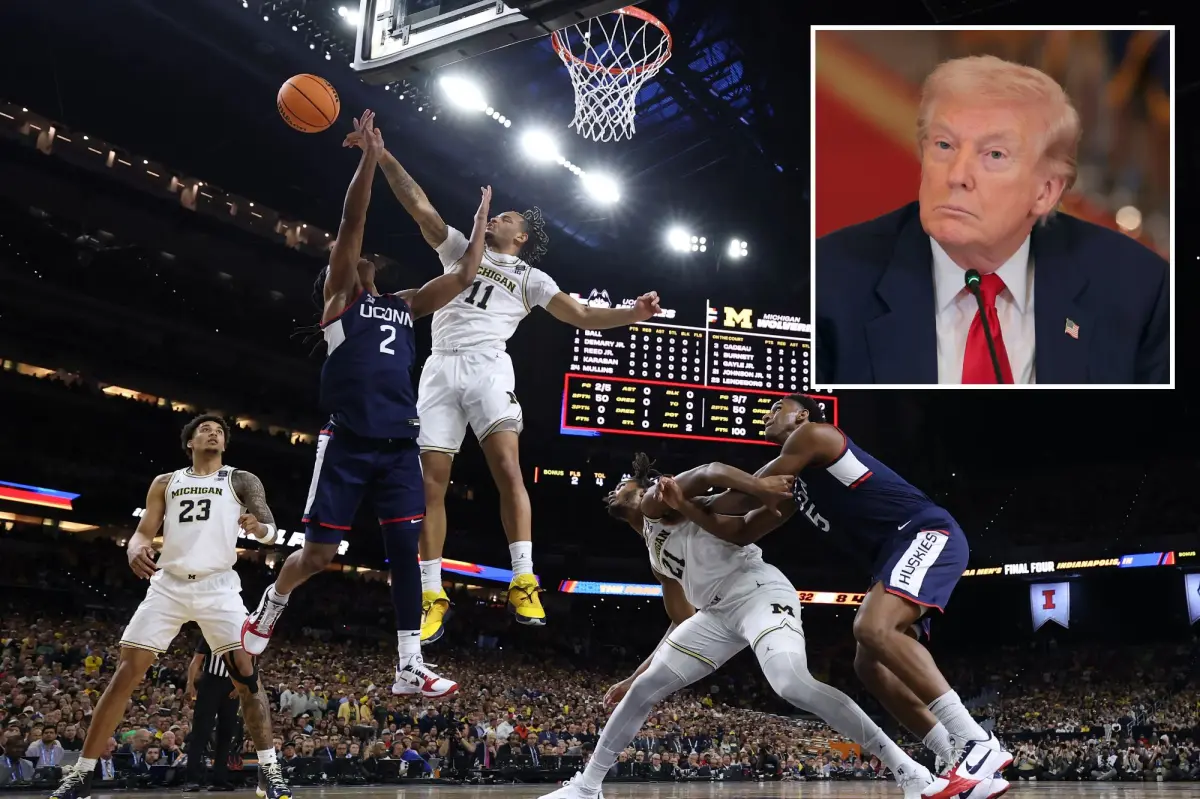
President Trump has been shaking things up in the world of college sports lately, and it’s about to get even more personal. Imagine a bunch of college athletes, the ones we’ve cheered for on TV or watched sweat it out on the field, finally getting a seat at the table in these high-stakes reform talks. On The Money has got the scoop that 30 collegiate athletes from all sorts of backgrounds are set to jump into the discussions kicking off this week. These aren’t just any players—they’re from big-time conferences, smaller Division II and III schools, and even independents like Notre Dame. Covering everything from football studs to basketball stars and Olympic hopefuls, there’s a real push for diversity, with plenty of women in the mix too. Spearheading this is Trump’s new Saving College Sports Roundtable, a group of about two dozen business heavyweights from college and pro levels, co-chaired by New York Yankees president Randy Levine and Florida Governor Ron DeSantis. Their mission? To tackle the crazy wild west of NIL deals— that’s name, image, and likeness, where athletes can cash in on endorsements. It’s been a hot mess since 2021, and now, athletes are stepping in to voice their concerns, saying they feel left out of the process so far.
It’s like those athletes are finally getting their chance to speak up after watching the grown-ups run the show. The roundtable, pushed by the White House, is trying to fix the financial chaos that’s turned college sports into a transfer frenzy, with players hopping schools for better deals. One insider called it “a big week for the roundtable,” saying it’s all really coming together. I mean, think about it: these kids are trained athletes, balancing brutal schedules with classes, and now they’re dealing with the billionaire allure of endorsements. Take Arch Manning, the Texas quarterback from the Manning legacy—guy’s landed a near-$7 million NIL deal. Sounds awesome, right? But it’s not all glitz; critics argue it’s draining money from academics and squeezing out smaller sports like track or gymnastics that don’t pull in as much cash. Smaller schools get the short end of the stick because they can’t compete with big donors funding those collectives that woo recruits. The roundtable’s stance? Athletes deserve fair compensation, but not at the cost of wrecking the whole system. It’s a delicate balance, and hearing from the athletes themselves could swing things toward something real and fair.
Just last week, Trump signed an executive order, a bold first move from the group, aimed at curbing the excesses that have players bouncing around like ping-pong balls. This thing could limit how many times an athlete can transfer schools—maybe just once—and it puts the spotlight on funding women’s sports and Olympic programs, which have been getting shortchanged amid the money race. Those collectives, the shadowy third-party groups funneling funds through booster networks, would face federal oversight too. If it sticks— and there are sure to be legal battles— this could reshape the landscape. I remember watching college games as a kid, cheering for my hometown team, and back then, it was all about pride and scholarships, not dark money influencing every play. Now, the NCAA is even mulling a similar rule to mirror this executive order, though they dodged direct comment on it. An NCAA rep told On The Money they’re all about “long overdue changes” but clammed up on specifics about cabinet meetings. Makes you wonder if they’re feeling the heat or just playing coy.
It’s fascinating how Trump’s personal fandom drove this initiative. He called out the mess at a White House event last month, inspired by tales of how the NCAA’s 2021 green light on NIL sparked a gold rush. Suddenly, everything from coffee ads to sneaker deals turned athletes into mini-celebrities, but at what cost? As someone who’s followed college sports religiously, I see the excitement in a star player making bank—hey, they’ve earned it with blood, sweat, and no small amount of injuries. But the flip side is heartbreaking: athletes chasing dollars over loyalty, schools prioritizing revenue sports, and academics taking a backseat. Trump, ever the showman, announced the roundtable right there, assembling folks like Levine, who knows winning teams, and DeSantis, the policy wonk. Including athletes in Zoom calls starting Wednesday feels like a step toward democracy in a world that’s been run by suits and suits disguised as coaches. These players, diverse in every way, will bring real voices from the trenches— the frustration of relentless schedules, the pressure to perform off-field, and the dreams beyond the game.
And get this: the athletes’ input isn’t just chatter—it’s meant to shape recommendations heading straight to Congress. Federal legislation is brewing in both the House and Senate to codify Trump’s executive order into law, making these reforms stickier than a defensive lineman on a hot day. Imagine lawmakers, who might have mixed feelings about meddling in NCAA territory, getting firsthand stories from these young guns about how NIL has warped their lives. One transfer limit could stabilize things, preventing the circus where a promising player switches teams mid-season just for a better payday. Similarly, forcing more equitable funding for women’s sports—think Title IX on steroids—addresses the glaring inequalities we’ve ignored for too long. These are the Olympic hopefuls, bobsledders, and field hockey champs who get overlooked in the football-basketball hype. Regulating collectives would cut out the shady dealings, ensuring the money game is transparent and fair.
Looking back, college sports used to be a rite of passage, a way for kids from all walks to shine and maybe land a ticket to the pros. Now, with NIL turning every jersey into a potential sponsorship billboard, it’s turned into something unrecognizable. Arch Manning’s deal is cool, but what about the walk-on swimmer or gymnast who never gets that spotlight? The roundtable, by opening the door to athletes, is acknowledging that reform can’t happen without those most affected. It’s a human moment in a big business world—players like you and me, laying it all on the line in these calls. As the White House pushes forward, fueled by Trump’s passion, the hope is for a system that rewards talent without devouring everything else. Legal challenges will come, no doubt; sports leagues hate change. But if these reforms hold, college athletics might reclaim its soul, focusing on growth, team spirit, and yes, a little fun without the constant financial grind. Who knows? Maybe we’ll see a return to those pure, unfiltered moments on the field where the game matters most.