

Trump Clarifies U.S. Role in Venezuela Following Maduro’s Capture
A Measured Approach to Venezuela’s Political Transition
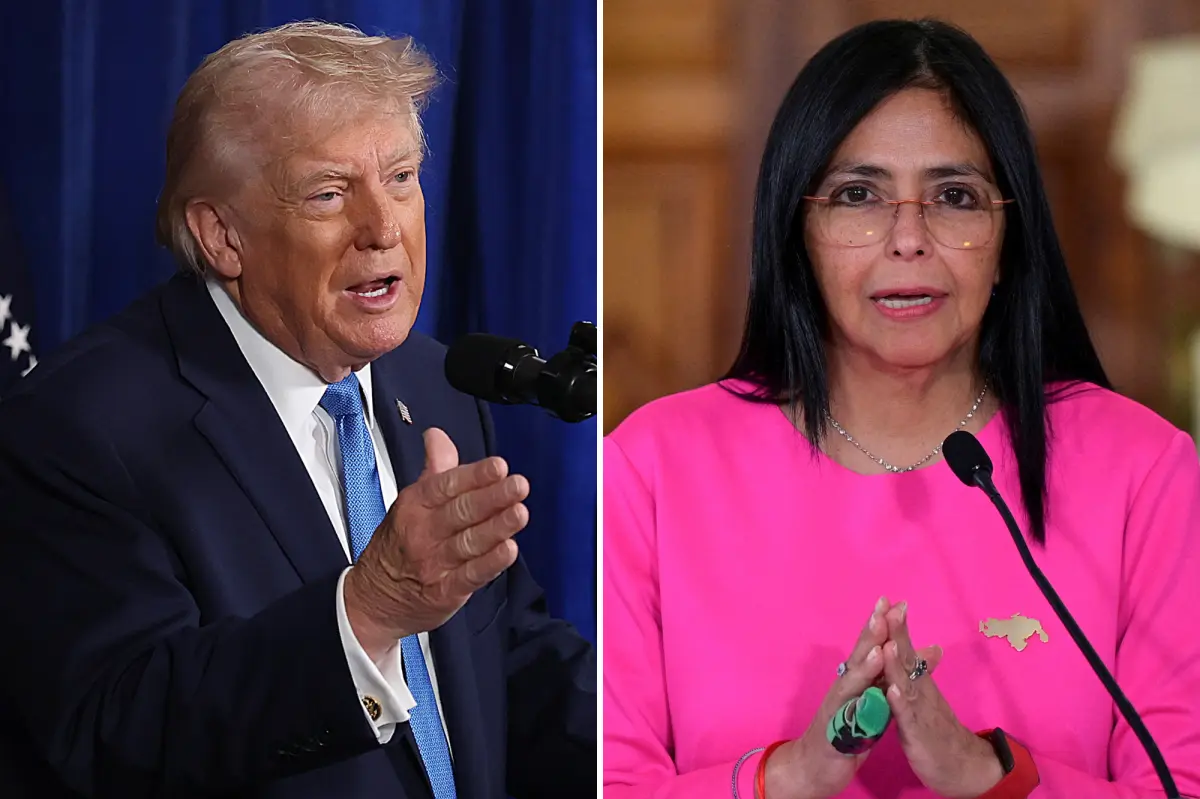
In an exclusive interview with The Washington Post following the dramatic U.S. raid that resulted in Nicolás Maduro’s capture, President Trump clarified America’s intentions regarding Venezuela’s future governance. Despite his earlier statement at a press conference that “we are going to run the country” ahead of a democratic transition—which raised concerns about potential U.S. occupation—Trump provided important nuance. When specifically asked if U.S. troops would be stationed in Venezuela, Trump responded firmly: “No, if Maduro’s vice president—if the vice president does what we want, we won’t have to do that.” This statement suggests a preference for working through existing Venezuelan governmental structures rather than direct military occupation, with Vice President Delcy Rodriguez potentially playing a pivotal role in the transition period. Trump emphasized that his administration has had numerous conversations with Rodriguez, stating “she understands, she understands,” implying some form of agreement has been discussed regarding Venezuela’s path forward.
Military Preparations and Warnings
While expressing hope for a peaceful transition, Trump made it clear the United States remains prepared for further action if necessary. “We’re prepared,” he stated, adding ominously, “We have a second wave that’s much bigger than the first wave.” This statement underscores the administration’s readiness to deploy additional military resources should the political situation in Venezuela deteriorate or if Rodriguez fails to cooperate with U.S. expectations. The president’s words serve as both reassurance to Americans concerned about prolonged military engagement and as a warning to those within Venezuela who might resist the political changes underway. Trump’s reference to a “second wave” indicates that the operation to capture Maduro was not an improvised action but rather part of a larger, carefully developed strategic plan with contingencies in place for various scenarios that might unfold in the aftermath.
The “Donroe Doctrine” and Regional Policy
During the interview, Trump introduced what he called the “Donroe doctrine,” describing it as “a Monroe Doctrine on steroids.” This provocative statement references the 1823 policy that opposed European colonization in the Western Hemisphere while asserting American influence in the region. By characterizing his approach as an enhanced version of this historical doctrine, Trump signals an intensified U.S. determination to shape political outcomes in Latin America. However, despite this assertive framing, when asked about potential military action against Cuba—Venezuela’s longtime ally—Trump dismissed the idea, taking a more pragmatic stance. “No, Cuba is going to fall of its own volition. Cuba is doing very poorly,” he stated, suggesting a preference for economic pressure over military intervention when it comes to Cuba, despite its support for the Maduro regime over many years.
Cuba-Venezuela Relations and the Aftermath of the Raid
The president highlighted the significant historical economic relationship between Venezuela and Cuba, noting, “Cuba was always very reliant on Venezuela. That’s where they got their money, and they protected Venezuela.” This acknowledgment points to the complex geopolitical implications of Maduro’s capture, particularly for Cuba, which has received substantial economic support, including oil shipments, from Venezuela under both Maduro and his predecessor, Hugo Chávez. Trump also revealed a sobering detail about the U.S. operation to capture Maduro, stating, “Many Cubans lost their lives last night… They were protecting Maduro. That was not a good move.” This disclosure indicates that Cuban security personnel were present during the raid and attempted to defend the Venezuelan leader, resulting in casualties that had not been widely reported. The president’s matter-of-fact delivery of this information suggests both the seriousness of the operation and the direct confrontation between U.S. forces and Cuba’s security apparatus.
Implications for Venezuela’s Democratic Transition
The capture of Maduro represents a potential turning point for Venezuela, which has experienced severe economic collapse, humanitarian crisis, and political repression under his rule. While Trump’s statements indicate a preference for working through Vice President Rodriguez rather than installing U.S. military governance, significant questions remain about how democratic transition will actually unfold. The role of Juan Guaidó, recognized by many countries as Venezuela’s legitimate interim president since 2019, was notably absent from Trump’s comments. Similarly, the president did not address how elections might be organized, when they might take place, or what role the opposition movement that has long challenged Maduro’s legitimacy might play in the transitional government. These omissions leave considerable uncertainty about the specific democratic pathway forward that the U.S. envisions, even as Trump expresses confidence in managing the situation through influence over Rodriguez.
A Defining Moment in U.S.-Latin American Relations
The capture of Maduro and Trump’s subsequent comments represent a watershed moment in U.S.-Latin American relations that will likely be scrutinized across the hemisphere and globally. The president’s willingness to authorize a direct military operation to remove a sitting head of state, regardless of legitimacy questions, marks a significant departure from recent U.S. approaches to regional disputes. This action, combined with Trump’s “Donroe doctrine” framing, signals a more interventionist posture that may concern other Latin American nations wary of U.S. power. At the same time, the president’s apparent preference for working through existing governmental structures rather than military occupation suggests some recognition of sovereignty concerns. As events continue to unfold in Venezuela, Trump’s handling of this crisis will likely define a significant chapter in U.S. foreign policy and hemispheric relations, with implications extending well beyond Venezuela’s borders to shape regional geopolitics for years to come.