


The Sneaky Subway Swipe: How One Guard Turned Duty into Dollars
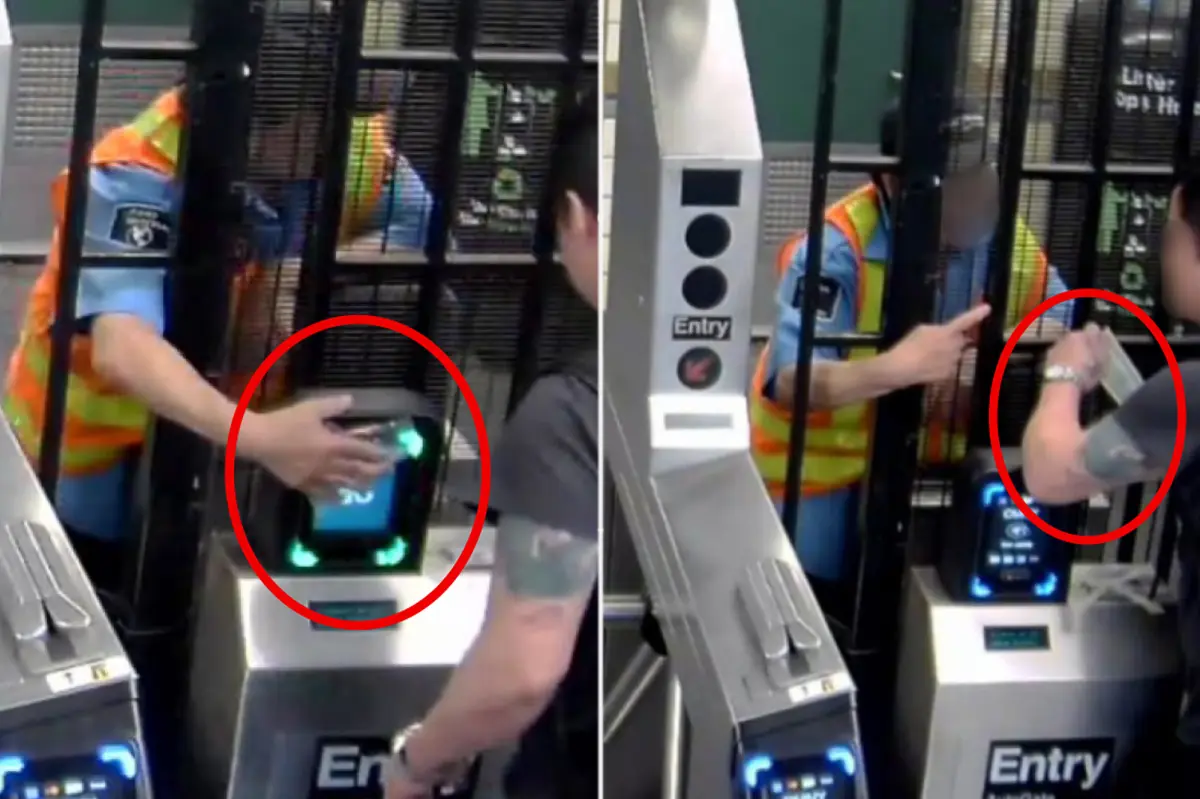
Imagine stepping into the bustling chaos of a Brooklyn subway station on a typical muggy summer evening, where the air hums with the distant rumble of trains and the chatter of commuters racing to their next stop. Eighth Avenue station in Brooklyn, a hub for everyday New Yorkers, is usually a place of order enforced by uniformed gate security guards, those unsung heroes meant to keep the system fair and safe. But recently, one of those guards, whose job was to crack down on fare evaders, flipped the script in a brazen act of self-interest. Behind the scenes of this seemingly routine spot, she was running her own illicit side hustle: swiping in riders for cold, hard cash using a stolen student OMNY card. This wasn’t just a minor slip-up; it was a clear betrayal that highlighted the vulnerabilities in a system already strained by millions in lost revenue. The incident, uncovered by a diligent rider who spotted the scam and tipped off authorities, exposed how desperation or greed can corrode the trust commuters place in frontline workers. According to the MTA Inspector General’s report released last week, this gate guard, employed by contractor Allied Security Services, was caught red-handed on surveillance footage accepting money from at least five riders between July 14 and 18, tapping them through the gates with a Department of Education-issued OMNY card meant exclusively for students. The guard, hired just that June without any proper training or subway experience, admitted she hadn’t been briefed on her duties. Instead of deterring farebeaters, she was enabling them for personal gain, pocketing small sums that added up to funds stolen from the city’s transit system. MTA IG Daniel Cort didn’t mince words: “The gate guards are paid to deter farebeating and provide a sense of security, not to improperly sell subway entry and pocket the cash.” It’s a story that humanizes the betrayal, reminding us that these guards are people too—often underpaid, undertrained, and perhaps swayed by opportunity. In conversations with investigators, the guard initially claimed the card was her own, funded from personal savings, but records proved otherwise. When pressed, she backpedaled, saying she’d found it on the street—what a convenient fabrication. This wasn’t just unethical; it echoed larger issues within the contracting company, which is supposed to uphold safety and fairness. Just last May, allied guards at Herald Square were filmed opening emergency doors to let groups of fare jumpers through, another flagrant disregard for rules. It’s disheartening to think how these acts undermine the efforts of honest workers and the millions who play by the rules. Overall, stories like this from Eighth Avenue force us to confront the human element in public infrastructure: guards’ struggles with low wages, the temptation of quick cash in a high-cost city, and the systemic failures that create such loopholes. The rider who reported it should be commended for their vigilance, turning a private scam into a public lesson.
Behind the Badge: A Guard’s Path to Misconduct
Delving deeper into the life of this gate security guard reveals a tale of dashed expectations and poor oversight. Picture her starting the job on June 3, 2023—let’s call her “Ms. J” for anonymity, though the IG report keeps her unnamed—a relatively new hire thrust into the fray of Eighth Avenue’s wild weekends. She came from minimal experience, claiming no prior training for her role at Allied Security Services, a company under contract with the MTA to patrol stations and prevent fare evasion. It’s easy to speculate on her motivations: maybe she was a single mom juggling bills in a city where rent devours paychecks, or perhaps just opportunistic, seduced by the promise of easy money in a system where evasion runs rampant. The IG’s probe, spurred by that July rider’s alert, reviewed hours of gritty surveillance footage. It captured her in plain view—uniformed and authoritative—reaching through the security fence to grab crumpled bills from eager straphangers, then swiping their cards like it was just another chore. In three of those clips, from July 17 and 18, she even handed back change, as if operating a black-market tollbooth. “It’s like she was rerouting the subway’s economy into her pocket,” one commuter later quipped. When investigators confronted her, her story shifted like sand: first, the card was personally funded; then, miraculously, a street find. This human flaw—the instinctive lie to cover tracks—highlights how personal pressures can erode professional integrity. Allied Security’s Code of Ethics explicitly forbids such misconduct, and the IG noted it skirted the edge of petit larceny, though deemed too minor for cops. Still, her removal from MTA sites was swift, a stern warning that no deed goes unseen. Reflecting on this, we see a guard not as a villain, but as a product of a flawed system. Companies like Allied must do better in vetting and training, ensuring employees feel valued enough not to resort to this. Urban life in New York pits survival against ethics, and Ms. J’s actions echo broader debates on fair pay for “essential” roles—roles that, if performed poorly, cost the city millions. It’s a poignant reminder that behind every uniform is a person with stories, struggles, and moments of moral fail, shaping how we navigate public spaces.
Echoes of Evasion: A Pattern in the Shadows
The Eighth Avenue scandal wasn’t isolated; it ripples from a graver malaise plaguing New York’s subway system, where fare evasion drains billions annually. Allied Security Services, the contractor behind this guard, has a spotted history of lapses. Just months before Ms. J’s exposure, in May 2023, The New York Post filmed guards at Herald Square station—part of the same Allied network—propping open emergency doors to usher in waves of unpaid riders, defying the very essence of security. These weren’t slips; they were deliberate subversions, letting farebeaters flood platforms while turning a blind eye—or worse, a hand—for a cut. Shockingly, the MTA tallies this toll at a staggering $900 million lost yearly from evasion across buses and trains, a figure that feels abstract until you quantify it: that’s enough to fund thousands of community programs or repair crumbling tracks. Imagine the frustration of law-abiding commuters watching cheats queue jump, knowing their paid fares subsidize the system. In Ms. J’s case, by accepting cash and swiping with a stolen student OMNY card, she exacerbated the problem, stealing from a pot already hemorrhaging funds. The MTA phased out cash payments in April 2020 amid COVID, pivoting to OMNY cards, bank slips, or cashless options—making cards like this student’s a lifeline for those who qualify. Yet, guards like her hoarded that access, bartering it for quick bucks. This pattern of misconduct within Allied underscores a contracting culture where oversight lags, allowing human errors—or intentions—to flourish. Rider reports, like the one that felled Ms. J, are the system’s immune response, yet they shouldn’t be the primary fix. Broader reforms could include camera audits and better pay, reducing the temptation for guards to “moonlight” as enablers. It’s a human story of discontent, where underpaid staff in high-stakes jobs face the lure of illicit earnings, mirroring tales from security firms worldwide. As Mayor Zohran Mamdani’s team tackles NYC politics, incidents like this amplify calls for transparency, humanizing the fight against evasion as a battle for equity in transit.
The Rider’s Courage: How One Tip Triggered Change
At the heart of this unfolding drama is the anonymous rider at Eighth Avenue, a modern-day whistleblower whose keen eye turned the tide. Last July, amid the station’s frenzy, they noticed something off: a guard seemingly collecting fees for swipes, slipping cash into thin air. Prompting them to alert authorities wasn’t just about justice; it was born from the irritation of daily fair-paying commutes in a flaky system, coupled with a genuine sense of civic duty. Their tip birthed the IG’s investigation, surveillance dives uncovering the scheme’s five instances over days. Without this courageous act, Ms. J might have continued, her thefts piling onto the MTA’s losses. Daniel Cort expressed gratitude, calling the rider’s report pivotal, while NYC Transit hailed their role in swift removal. It’s a testament to how ordinary people empower change, humanizing activism in an era of cynicism. Picture this rider, perhaps a student or worker, pocket-rattling coins that could have been “donated” to the guard instead of earning a rightful ride. Their story resonates with New Yorkers who’ve eyed shady dealings—free rides for friends, or guards looking the other way. Evasion’s $900 million hit hurts everyone, but insiders like Ms. J make it personal by profiting from the mess. Allied Security’s silence on such incidents only fuels distrust, yet this case spotlights progress: no more MTA work for offenders, with hints of wider probes. For the rider, bravery yielded thanks but likely no fanfare—just the quiet satisfaction of righting wrongs. In a city where subways symbolize mobility for millions, their vigilance reminds us that integrity starts with individual defiance, weaving a narrative of hope amid urban decay.
Systemic Strain: Fare Evasion’s Real Cost to New Yorkers
Zooming out, Ms. J’s cash-for-swipes caper lays bare the deep-seated strains in New York’s transit ecosystem, where evasion isn’t merely a nuisance but a epidemic bleeding funds from essential services. Since the MTA ditched cash fares in 2020’s pandemic peak, relying on OMNY or bank cards has walled out many without stable access, amplifying inequalities. Low-income riders, students, or those in tech deserts grapple most, turning evasion into survival. Guard misbehavior, like Ms. J’s use of a stolen student card, worsens this divide, depriving the system of revenue while rewarding cheats. That $900 million annual loss—equivalent to funding affordable housing for thousands or upgrading fleet safety—translates to rising fares, delayed repairs, and overcrowded trains, all impacting daily lives. For many, the subway is a lifeline: a mom shuttling kids to school, a worker racing to shifts, dreaming of better days. When guards enable evasion, they erode that lifeline, fostering resentment. J’s exoneration from criminal charges due to petty amounts spares her jail but doesn’t absolve the theft’s symbolism—it’s theft from the collective, humanizing how small actions cascade into big problems. Allied’s repeated slip-ups signal a contractor needing overhaul: stricter hires, ethics refresher, and audits to combat disengagement. Broader fixes include subsidized cards for eligible groups, mental health support for stressed staff, and tech like AI spot-checks. Yet, at its core, this is a human predicament—greed clashing with need, oversight gaps enabling wrongdoing. As NYC navigates Mayor Mamdani’s socialist leanings and policy pushes, such exposures demand reforms prioritizing rider security and equity, ensuring subways serve all without hidden costs.
Reflections and Reforms: Ensuring Trust in Transit
In wrapping up this cautionary tale from Eighth Avenue, we see transparency’s power to humanize flaws in our city’s beating heart: its subways. Ms. J’s saga, from hire to ouster, underscores how oversight lapses breed misconduct, but her dismissal offers redemption arcs for systems willing to learn. Rider vigilance and IG probes dismantle scams, rebuilding trust eroded by billions in losses. For New Yorkers, it means affirming fair play, where guards embody security, not subterfuge. Allied Security’s need for reform waves, urging better vetting to curb temptations like J’s. Ultimately, combating evasion requires empathy—understanding guards’ burdens, empowering riders to report, and investing in just tech and pay. By spotlighting Petty theft amid grander ills, we ignite change, fostering subways as egalitarian spaces, not arenas for inequality. As politics swirl, this story humanizes calls for integrity, promising safer, fairer commutes for all.