




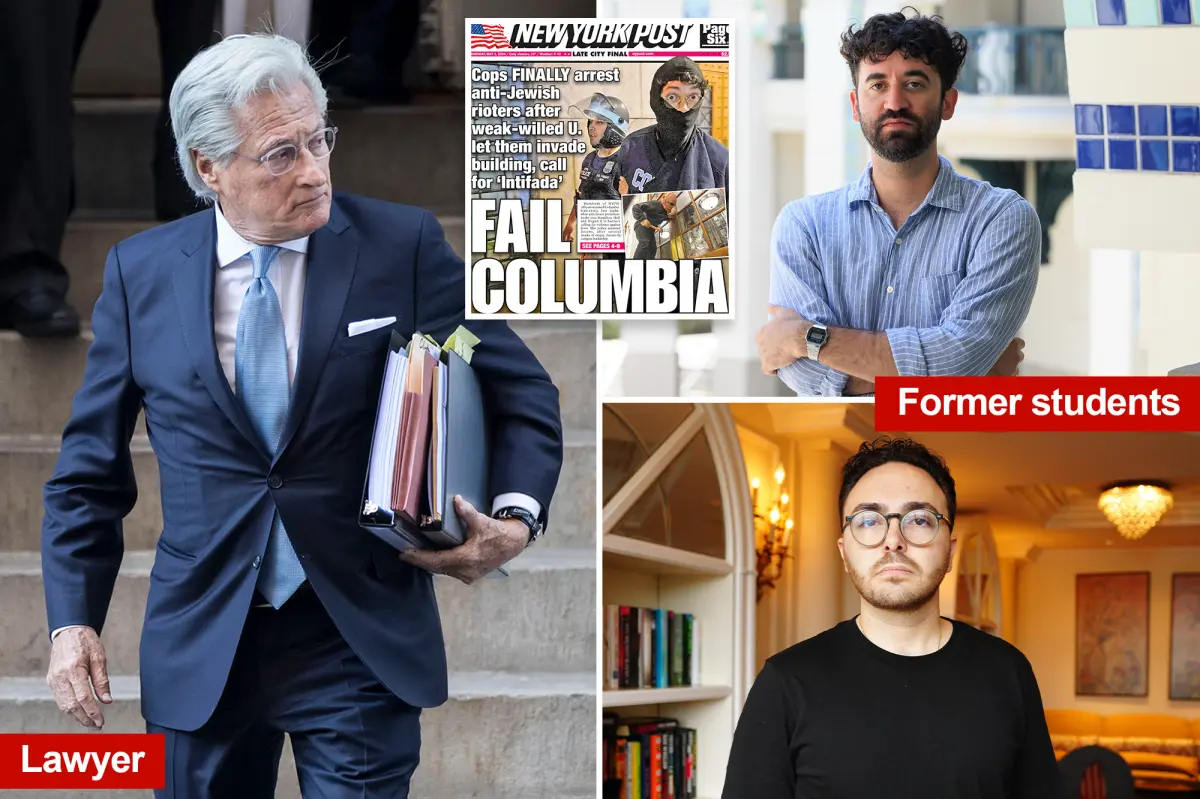
In the emotionally charged aftermath of the October 7, 2023, terrorist attacks on Israel, Jewish and Israeli students at Columbia University found themselves navigating a hostile, turbulent campus environment. As anti-Israel protests and encampments threw the Ivy League institution into chaos, 43 of these vulnerable students sought protection and justice through the legal system. They believed they had found their savior in Marc Kasowitz, a high-profile Manhattan litigator and former outside counsel to President Donald Trump, who swept in as the prominent, self-proclaimed champion of Jewish students nationwide. For these young plaintiffs, many of whom were dealing with severe campus harassment and personal grief, Kasowitz’s arrival felt like an answered prayer. Miles Rubin, a 31-year-old Columbia graduate and former Israeli Defense Force reservist who lost close friends in the Hamas onslaught, recalled feeling an immense wave of relief, thinking the legal titan on his “white horse” was finally going to make things right.
However, that initial hope has curdled into deep betrayal, culminating in a bombshell lawsuit recently filed in the Manhattan Supreme Court. The new legal complaint alleges that Kasowitz and his firm, Kasowitz Benson Torres LLP, preyed on the very students they promised to protect, ultimately treating the historic litigation as a personal piggy bank. According to the lawsuit, the firm secured a confidential massive settlement with Columbia University earlier this year, only to siphon off a staggering $6.4 million payday—a sum that allegedly constitutes well over half of the entire settlement fund. While the firm lined its pockets, the students who had survived the harrowing campus unrest were left with individual payouts ranging from $34,000 to $300,000. For the plaintiffs, the realization that their champion was keeping the lion’s share of the recovery felt like a secondary victimization by the professionals they trusted implicitly during a period of intense vulnerability.
The mechanical details of how the settlement was executed paint a picture of coercion and secrecy, according to the court filings. The young students claim they were originally assured that their legal representation would be entirely free of charge, covered fully by a generous third-party sponsor. Yet, during the hectic Christmas holiday season, they were suddenly given a mere five days to sign incredibly broad liability releases, relinquishing all future claims against the university. Crucially, they had to sign these documents before even knowing how much money they would receive. Once the paperwork was finalized, the remaining funds were allegedly distributed through a mysterious, non-appealable process that provided no explanation for how the calculations were made, leaving some students with nine times less than their peers. Noah Miller, a 28-year-old architecture graduate, reflected on the bait-and-switch with bitter disappointment, stating he was led to believe everything was paid for, only to discover he was used as a mere “pawn” in Kasowitz’s lucrative scheme.
Adding to the controversy are the stunning billing practices of the Kasowitz firm exposed by the litigation. When the disgruntled students repeatedly demanded to see the detailed itemized invoices for their case, the firm allegedly refused, eventually providing only a brief summary document. This summary claimed a staggering 7,700 hours of legal work and billed Kasowitz’s personal time at an eye-watering $2,500 per hour. The plaintiffs’ current attorney, veteran civil rights advocate Susan Chana Lask, has vociferously challenged these figures, pointing out that the Columbia case settled incredibly early, long before any formal depositions or discovery processes had even begun. Lask, who has argued landmark cases before the U.S. Supreme Court, argued that the firm’s hours and fees were deeply “inflated and false,” adding that no reputable court overseeing civil rights litigation would ever condone an hourly rate of $2,500, especially when it devoured the majority of the victims’ recovery.
In response to the mounting public backlash and the lawsuit’s damning allegations, Kasowitz’s firm has aggressively pushed back, dismissively labeling the complaint as a collection of outright lies and “gross misrepresentations.” A spokesperson for Kasowitz Benson Torres LLP defended their record, asserting that the settlement they negotiated with Columbia was a historic triumph that achieved crucial, systemic protections for Jewish and Israeli students, including the appointment of a dedicated Title VI coordinator and the official consideration of the International Holocaust Remembrance Alliance’s definition of antisemitism. The firm expressed deep disappointment that a “small handful of students,” who had happily signed releases and accepted the benefits of this landmark agreement, were now turning on their legal counsel at the behest of another attorney, attempting to rewrite the narrative of a successful resolution.
But this is not the first time Kasowitz and his firm have faced serious scrutiny over their financial and professional ethics. Legal archives reveal a pattern of similar disputes; last year, a former senior partner at the firm, Eric Herschmann, sued Kasowitz for allegedly hiding the company’s true financial health and breaching his fiduciary duties, costing him millions of dollars. Years prior, an insurance company named Patriot National also sued the firm in Florida, accusing them of professional malpractice and systematic fraudulent billing practices, specifically citing excessive and redundant legal fees. As the current lawsuit moves forward in Manhattan, it shines a harsh, uncomfortable light on the business of civil rights advocacy, leaving a group of disillusioned young students to wonder whether their pain was simply exploited to secure a multi-million-dollar corporate windfall.