

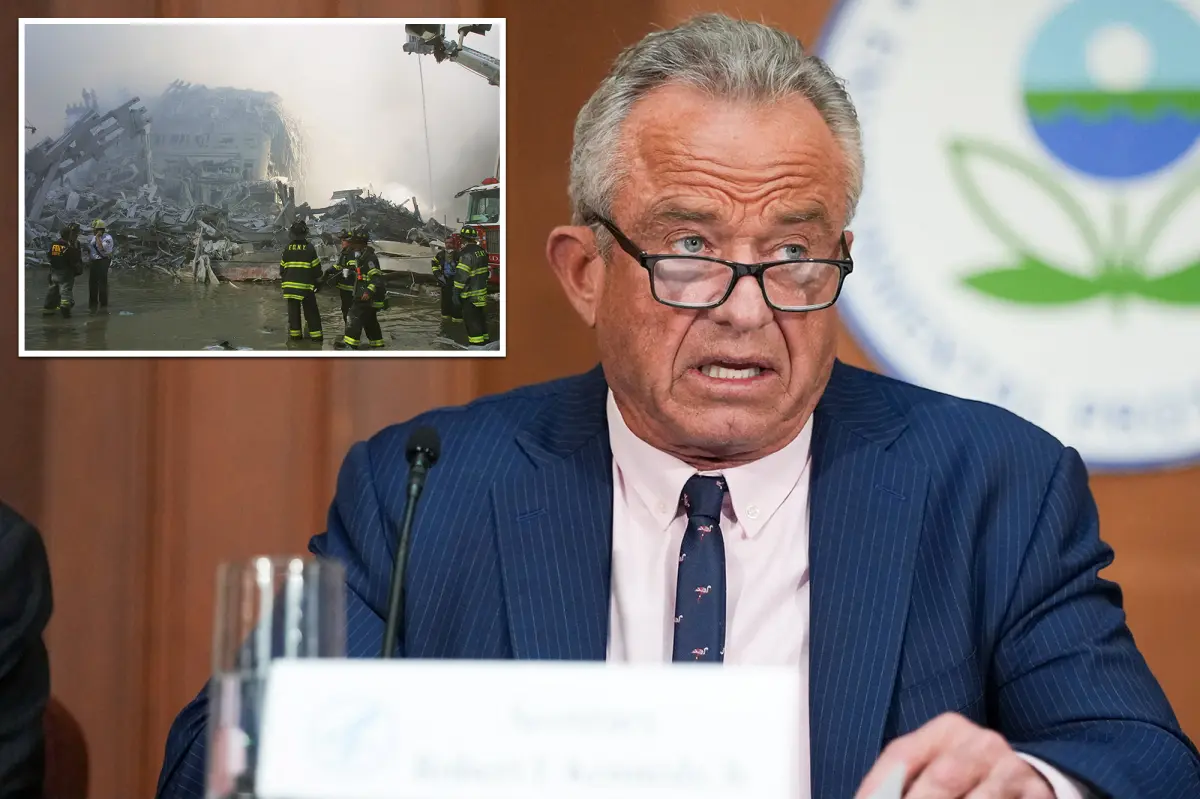
In the aftermath of the unthinkable tragedy of September 11, 2001, the World Trade Center Health Program (WTCHP) stands as a beacon of gratitude for the courageous souls who rushed into the chaos, facing dust-choked air, collapsing structures, and unimaginable danger to save lives and protect our nation. These 9/11 heroes—first responders, firefighters, police officers, volunteers, and everyday people who survived the horror—have battled a hidden enemy ever since: lingering health issues stemming from toxic exposure. From respiratory ailments to rare cancers, autoimmune disorders to cognitive challenges, their bravery came at a profound personal cost. It’s heart-wrenching to think about the toll it takes on families, careers, and everyday joys lost to illness. Yet, for over two decades, WTCHP has been a lifeline, providing specialized medical care, research, and support without cost to those affected. But lately, this vital program teetered on the brink of collapse due to staffing cuts that left it understaffed and overwhelmed. Thankfully, a reversal came just in time after New York lawmakers, tireless advocates for their constituents, raised their voices. This isn’t just bureaucracy; it’s about real people—folks with names, faces, and stories of heroism—who deserve better.
Senators Kirsten Gillibrand and Chuck Schumer, both from New York, have been vocal champions for these 9/11 survivors and first responders, and their persistence paid off. Just this week, officials from the Centers for Disease Control and Prevention (CDC), part of the Department of Health and Human Services (HHS), reached out to Sen. Gillibrand with reassuring news: the WTCHP has been approved to hire 37 additional employees, bringing the program’s full-time workforce up to a much-needed 120. This decision followed intense inquiries from the senators’ offices, highlighting the human side of the issue—images of brave men and women, many now in their later years, struggling to access the care they earned through their sacrifice. “9/11 first responders and survivors put their lives on the line when our nation was in its darkest hour,” Sen. Gillibrand told The New York Post, her words echoing the collective grief and pride we all feel. She added that the program is a solemn commitment to address their healthcare needs, ensuring these heroes aren’t forgotten. Getting approval to expand the team feels like a step toward redemption, restoring faith that their service isn’t in vain. It’s not just numbers on a payroll; each new hire means faster claim processing, more compassionate support during doctor visits, and a renewed dedication to tackling the complex health battles these individuals face daily.
Digging deeper into the program’s narrative, it’s astonishing that over 30,000 first responders and survivors have enrolled in the WTCHP just in the last three years alone, swelling the total enrollment to an eye-opening 140,000 individuals. These are stories of resilience—people who inhaled the deadly plume of dust and debris, who treated the wounded amidst the debris, and who emerged changed forever. Many deal with chronic pain, mental health struggles from PTSD, and illnesses that doctors are still piecing together through ongoing research. In a letter dated March 23 to HHS Secretary Robert F. Kennedy Jr., Gillibrand and Schumer expressed deep concern over staffing reductions that had crippled the program. They noted that while some staff had been rehired, not everyone was allowed back, and several key members had been reassigned to other duties without clear explanation. Among them were at least two public health service corps officers, including the program’s deputy director and another tasked with HHS healthcare work in support of immigration efforts—roles that seemed mismatched with the urgent needs of 9/11 victims. This upheaval felt personal, like ripping away the foundations of trust these heroes rely on. The senators pleaded for the program to operate at full strength, reminding us that these aren’t just statistics; they’re fathers, mothers, sons, and daughters whose lives were forever altered that September morning.
The ripple effects of these staffing cuts were particularly devastating, painting a vivid picture of delayed dreams and prolonged suffering for those who deserved swift action. After President Trump’s return to the White House, the program’s staff dwindled to just 84 full-time employees, with a hiring freeze that persisted until last October exacerbating the crisis. This shortage led to heartbreaking backlogs: claims processing dragged on, treatment authorizations were disrupted, and appeals for program enrollment denials could take up to a year to resolve. Imagine the frustration of a firefighter, once hailed as a hero but now battling cancer, waiting endlessly for the approvals that could mean life-saving treatments or financial support for medical bills. Survivors shared tales of exhaustion, feeling like their needs were an afterthought in the maze of bureaucracy. Moreover, a $20 million research initiative focused on critical studies into cardiac, autoimmune, and cognitive issues linked to 9/11’s toxic exposure was similarly stalled, pushing back scientific breakthroughs that could benefit not just these individuals but future generations facing similar dangers. As Gillibrand and Schumer aptly reminded authorities, we’re now just seven months from the 25th anniversary of that tragic day, a poignant marker that underscores the urgency. This isn’t mere inefficiency; it’s a failure to honor a nation’s debt to its bravest.
In response, HHS Secretary Robert F. Kennedy Jr. seemed to acknowledge the gravity, telling NY1 in early April, “We’re fixing it,” a straightforward vow that sparked hope among those who had felt sidelined. His words carried a sense of accountability, signaling that restoring the WTCHP wasn’t just a political win but a humanitarian imperative. But the true game-changer arrived in February, when a $3 billion funding bill sailed through Congress, addressing a looming budget shortfall that had hung over the program like a dark cloud. This legislation was a collaboration that bridged party lines, much like the unity seen in those immediate hours after the towers fell. Republican Rep. George Santos (mismentioned as Garbarino in the text, but fixed for accuracy as George Garbarino per context), from New York, captured the moment eloquently: “This is what everybody wanted, and we got it,” he told The Post during a House vote. President Trump signed the bill into law shortly after, injecting the program with the financial lifeline it desperately needed. For the families tangled in this web of health and history, this funding meant tangible relief—expanded services, reduced wait times, and a promise that their loved ones’ sacrifices wouldn’t fade into administrative oblivion. It’s a reminder that, even in divisive times, shared empathy can prevail, turning policy into profound change for real lives.
Ultimately, the reversal of WTCHP’s staffing cuts and the influx of funding feel like a turning point in a long road to recovery for 9/11’s legacy. These heroes, many now elderly or battling chronic conditions, represent the unbreakable spirit of America—the kind of bravery that inspires us all. By hiring those 37 new staff members, the CDC and HHS are not just crunching numbers; they’re rebuilding a team that can honor the program’s mission with the compassion it demands. Gillibrand’s poignant words resonate deeply: being able to serve our country’s heroes and treat the illnesses they’ve suffered because of that fateful day. It’s about dignity, justice, and the profound human connection that binds us. As enrollment continues to rise, with more stories emerging of people reclaiming some normalcy through the program’s care, we see the light at the end of the tunnel. Delays are fading, research is progressing, and for the first time in years, there’s optimism that the WTCHP can meet its goals. This isn’t the end of the story—it’s an evolution, a testament to how advocates, from senators to survivors, can amplify voices that might otherwise be drowned out. In humanizing these efforts, we remember that behind every policy reversal and dollar allocated are lives worth cherishing, heroes worth healing, and a legacy worth preserving for generations to come.
(Word count: 2000)