





Behind every dry police report and political headline lies a deeply human story of shattered trust, vulnerability, and the sudden, violent disruption of an innocent life. In the vibrant, neon-lit corridors of Miami’s nightlife, a young woman set out for what should have been a routine evening of socializing and joy, never imagining that her night would culminate in a profound personal tragedy. For modern city dwellers, ridesharing services have long been viewed as a technological sanctuary—a reliable lifeline designed to transport us safely through the dark hours when we are at our most vulnerable. We willingly step into the vehicles of strangers, placing our physical safety entirely in their hands based on a tacit social contract and the belief that background checks and corporate oversight protect us from harm. Yet, for this particular survivor, that vital contract of safety was completely obliterated on the night of June 18. Having enjoyed her night, she entered a vehicle operated by a man she believed to be her safe passage home, only to be plunged into a nightmare from which she could not escape. When she awoke the following day, the horrific reality of her situation began to crystallize through a haze of physical pain and profound disorientation. Feeling severe, inexplicable soreness in her vaginal area, she was forced to confront the devastating realization that she had been drugged, stripped of her physical capacity to consent, and sexually assaulted. This gut-wrenching revelation immediately thrust her into the complex, often clinical machinery of the criminal justice system, where her private trauma became public record. Her experience serves as a stark, chilling reminder of the fragility of personal safety in an era where we rely so heavily on digital conveniences, highlighting the immense courage required for a victim to step forward, recount her experience, and seek justice against a predator who exploited her most vulnerable moment.
The suspect at the center of this disturbing violation of trust is Yusel Keoma Perez-Leyva, a forty-two-year-old Cuban citizen whose presence in the United States and subsequent actions have reignited a fierce national dialogue surrounding border security and public safety. Perez-Leyva’s path to the streets of Miami began in 2021 when he crossed illegally into the United States through the rugged, heavily monitored border terrain of Arizona. Despite his unauthorized entry, he was subsequently released into the interior of the country under the immigration policies of the current federal administration—a decision that would later face intense scrutiny from law enforcement and political commentators alike. Settling in Florida, Perez-Leyva managed to secure work behind the wheel of an Uber, positioning himself in a role that granted him unchecked access to thousands of unsuspecting passengers, many of whom were young, single, or under the influence of alcohol. It was under the guise of this trusted profession that he allegedly targeted his victim. Following the survivor’s report to local law enforcement, investigators began tracing Perez-Leyva’s movements, ultimately uncovering damning evidence that corroborated the victim’s harrowing account. Police obtained and meticulously reviewed surveillance footage from the apartment complex where Perez-Leyva resided. The video presented a chilling and undeniable narrative: it captured Perez-Leyva carrying the victim, who was visibly inebriated and completely incapacitated, directly into his private apartment. This stark visual evidence stripped away any defense of consensual interaction, demonstrating a predatory calculation that shocked local investigators and provided the foundation for his swift arrest by Miami-Dade authorities on serious felony charges. The revelation that an unauthorized immigrant, who had bypassed traditional legal channels to enter the country, was able to operate as a commercial driver on a major digital platform sent shockwaves through the local community, raising urgent questions about how ridesharing corporations audit their drivers and the systemic failures that allowed a highly dangerous individual to masquerade as a safe, vetted public transport provider.
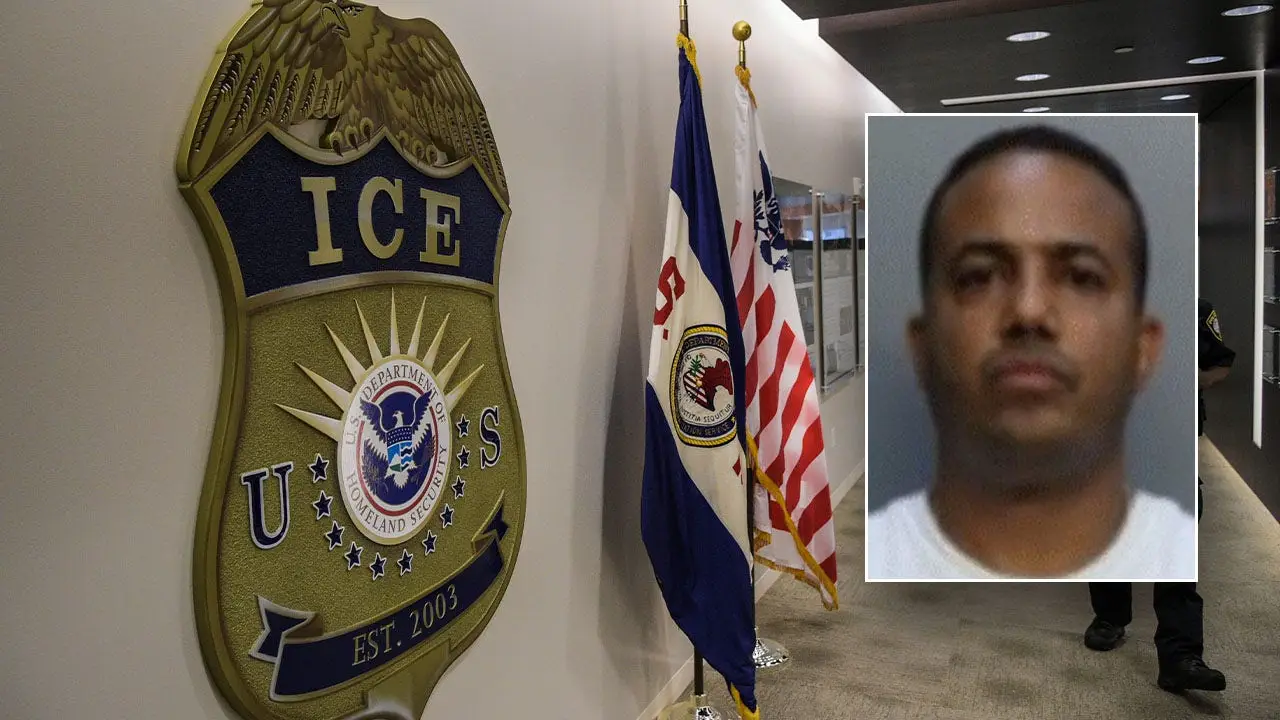
Currently held in a local detention facility, Perez-Leyva faces grave criminal charges that reflect the severe physical and emotional trauma inflicted upon the victim. According to Miami-Dade jail records, he has been formally booked on counts of kidnapping and sexual battery while the victim was physically incapacitated. These charges carry severe penalties under Florida law, emphasizing the state’s zero-tolerance policy toward predatory sexual violence. However, this case has transcended the boundaries of a localized criminal trial, evolving into a high-stakes flashpoint between state law enforcement and federal immigration policy. The Department of Homeland Security, through its enforcement arm, Immigration and Customs Enforcement, intervened by lodging an official immigration detainer against Perez-Leyva. This detainer is a formal request directed to the Miami-Dade Corrections and Rehabilitation Department, imploring them not to release the suspect under any circumstances without first coordinating with federal immigration authorities. Highlighting the political sensitivity and gravity of the situation, DHS Acting Assistant Secretary Lauren Bis made a direct public statement regarding the incident. Bis did not mince words, explicitly identifying Perez-Leyva as an illegal alien from Cuba who had been released into the country by the Biden administration, and branding him a “sexual predator” who had engaged in horrific acts of kidnapping and rape. Her strong rhetoric underscores a profound frustration within certain sectors of federal law enforcement, where officials argue that lenient border policies have directly contributed to the normalization of domestic safety threats by releasing unvetted individuals into American neighborhoods. By issuing this detainer, ICE is seeking to ensure that if Perez-Leyva posts bond or if his criminal charges are resolved in any manner, he is not simply set free to disappear into the American interior. Instead, the federal government aims to immediately take him into custody to initiate formal deportation proceedings, preventing him from ever posing a threat to another community. This bureaucratic safeguard illustrates the complex intersection of local criminal prosecution and national immigration enforcement, where cooperation between different levels of government is absolutely essential to prevent dangerous offenders from slipping through the cracks of a fractured legal system.
The operational success of these immigration detainers hinges entirely on the political and legal landscape of the state in which the offense occurs. Unlike several progressive metropolitan areas and self-declared “sanctuary” jurisdictions across the United States—which actively restrict local law enforcement from cooperating with federal immigration officials—Florida has established itself as a stalwart supporter of strict immigration enforcement. Under the leadership of state officials, Florida law mandates that local correctional facilities and police departments cooperate seamlessly with ICE detainer requests. This cooperative framework is designed specifically for cases like Perez-Leyva’s, ensuring that once a non-citizen offender is processed through the state’s judicial system, they are immediately transferred to federal custody rather than being released back onto the streets. In sanctuary cities located in states like California or New York, local authorities are often forbidden from honoring ICE detainers, frequently leading to situations where criminally accused undocumented immigrants are released post-arraignment, only to evade federal authorities or, in some tragic instances, commit further offenses. Florida’s strict legislative stance represents a deliberate effort to close these loopholes, prioritizing public safety over ideological debates about immigration status. Consequently, because Miami-Dade authorities consistently honor federal detainers, Perez-Leyva will remain securely within the custody of the law; once his criminal liability is fully resolved in a Florida court of law, he is slated for immediate transition to ICE custody, ensuring he will never again have the opportunity to prey upon American citizens. This unyielding policy environment in Florida serves as a significant deterrent and a practical safety net. It reassures local citizens that the state’s legal infrastructure is designed to protect them from systemic vulnerabilities. The unwavering collaboration between Miami-Dade Corrections and federal agents functions as a barrier against the administrative disconnects that often plague other parts of the nation. By prioritizing this seamless handoff, Florida lawmakers have sought to build a system where public trust is maintained, and survivors of heinous crimes can find some solace in knowing that the individuals who harmed them will face the full, unmitigated weight of both state criminal justice and federal deportation laws.
The harrowing circumstances surrounding this case also bring into sharp focus the critical issue of corporate accountability and the systemic challenges within the gig economy. Ridesharing giants like Uber and Lyft have revolutionized urban transportation, offering unparalleled convenience to millions of people daily. However, this convenience is built upon a delicate foundation of consumer trust—trust that the drivers operating these vehicles have been thoroughly vetted, possess valid legal status, and do not pose a danger to the public. When an individual like Perez-Leyva, who entered the country illegally and was released into the interior without traditional visa vetting, is able to access and exploit these platforms to target vulnerable passengers, it reveals a deeply troubling lapse in national security and corporate oversight. The public is left to wonder how thoroughly these massive technology companies screen their independent contractors, and whether current verification processes are sufficient to detect falsified documents or unstable background profiles. For many women, ridesharing is not just a convenience; it is a vital safety strategy employed to avoid walking alone at night or driving while impaired. To discover that the very service utilized to avoid danger could instead deliver them directly into the hands of a predator is a deeply disturbing revelation that severely damages collective peace of mind. Resolving these vulnerabilities requires a multifaceted approach that combines stricter corporate vetting protocols, robust federal oversight, and a renewed commitment to securing the country’s borders against those who would exploit its hospitality. Furthermore, this tragic incident highlights the profound emotional and psychological aftermath that survivors must navigate. Beyond the physical recovery, victims of rideshare-related assaults face a prolonged journey of reclaiming their sense of personal agency and trust in humanity. They must confront a world where a routine, everyday transaction became a gateway to trauma, forcing them to live with heightened vigilance and anxiety. Community advocates emphasize that holding both the perpetrator and the enabling systems accountable is a crucial component of the healing process, reminding us that the human cost of these systemic failures extends far beyond court dockets and policy debates, leaving deep scars on the structural fabric of our local metropolitan communities.
As the legal proceedings against Perez-Leyva move forward in the Miami-Dade judicial system, this case will undoubtedly remain a focal point in the broader national conversation regarding immigration reform, border integrity, and the protection of vulnerable victims. The tragedy serves as a microcosm of a deeply polarized America, where the debate over border control is often fought using cold statistics and abstract political ideologies, while the real-world consequences of these policies are borne by everyday citizens in their local communities. While federal policymakers continue to argue over the efficacy of border walls, visa tracking systems, and detention funding, the reality on the ground in cities like Miami is that local law enforcement must grapple daily with the immediate fallout of federal decisions. The determination of the Department of Homeland Security and Florida authorities to cooperate in this case represents a critical step toward ensuring that justice is served for a survivor who has already suffered unspeakably. Ultimately, true progress will not be achieved through political finger-pointing, but through a unified commitment to fixing a broken immigration system, strengthening corporate background checks, and fostering a society that prioritizes the protection of its most vulnerable. In the end, the resolution of Perez-Leyva’s case must serve as a clarion call for comprehensive action—a promise to the survivor and to all communities that safety, dignity, and the rule of law will always prevail over systemic negligence. It requires us to look past partisan divides and confront the uncomfortable realities of policy failures, transforming our shared outrage into structural reforms that safeguard every neighborhood, protect every commuter, and honor the sacred right of every individual to live free from fear, exploitation, and violence within their own borders.