


Academic Reactions to Minneapolis ICE Shooting Reveal Deep Political Divide
In the aftermath of a fatal shooting involving Immigration and Customs Enforcement (ICE) agents in Minneapolis, several prominent academics have joined activist voices calling for the abolition of ICE. The incident, which resulted in the death of 37-year-old Renee Nicole Good, has sparked intense reactions across political lines, highlighting the deep divisions in American society regarding immigration enforcement. These academic voices represent a growing sentiment among some intellectual circles that view ICE operations not as legitimate law enforcement but as problematic or even, in their view, criminal. The shooting has become a flashpoint in the ongoing national debate about immigration policy, law enforcement practices, and the appropriate boundaries of federal authority.
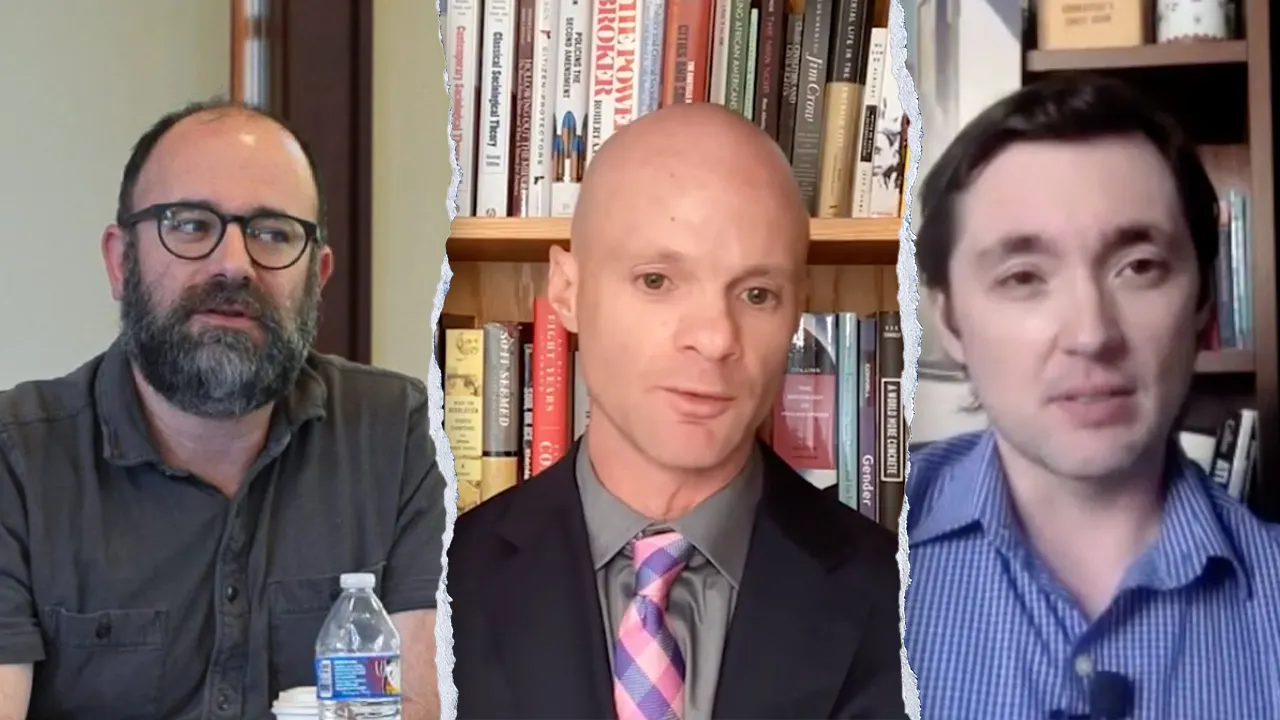
The most direct statements came from Victor Ray, an associate professor at the University of Iowa specializing in sociology, criminology and African American studies, who declared on social media that “Abolishing ICE is the moderate position.” Ray went further by characterizing the shooting as a “murder,” despite the fact that no such charges have been filed in connection with the incident. Similarly strong language came from David Karpf, an associate professor in George Washington University’s media and public affairs department, who expressed profound pessimism about America’s future following the shooting. Karpf wrote on social media platform Bluesky that “Most days, it doesn’t really feel like this country is gonna make it. Today it doesn’t feel like it deserves to.” When contacted by Fox News, Karpf maintained his position, stating that he had watched “what appeared to me to be a government agent murdering a woman” and that it left him “shocked and sad.”
The rhetoric escalated further with comments from Seva Gunitsky, an associate professor of political science at the University of Toronto who identified himself to Fox News as a U.S. citizen. Gunitsky posted that “abolish ICE is the moderate position to be honest” and suggested that ICE agents should face Nuremberg-style trials—a reference to the post-World War II proceedings against Nazi officials for war crimes and crimes against humanity. When asked to clarify, Gunitsky confirmed that he meant ICE agents should be “put on trial,” though he did not specify for what alleged crimes. This comparison between immigration enforcement and Nazi atrocities represents one of the most extreme positions in the ongoing debate, reflecting a perspective held by some activists who view ICE operations as fundamentally unjust rather than as legitimate law enforcement.
The academics’ statements appear connected to a larger movement that has gained traction among progressive circles in recent years. The “Abolish ICE” movement emerged prominently during the Trump administration, advocating for the dismantling of the agency created in 2003 as part of the Department of Homeland Security. Critics of this position argue that such calls fundamentally misunderstand ICE’s role in national security and immigration enforcement, while supporters contend that the agency has exceeded its proper authority and engaged in practices they deem inhumane. The professors’ social media posts also included reposts of statements from public figures like Jeopardy! host Ken Jennings, who called for prosecuting “the former regime at every level” in 2028—indicating how this perspective has extended beyond purely academic circles.
The shooting itself has been subject to conflicting narratives. Federal agents have stated that the ICE officer involved feared for his life during the incident, a claim met with skepticism by critics including Professor Karpf, who responded that the officer should “tell that s— to a jury and then rot in prison for the rest of his life.” The circumstances surrounding Good’s death remain under investigation, though this hasn’t prevented strongly worded judgments from various quarters. The incident has also been connected to reports of alleged attacks on ICE agents in Minneapolis, characterized by some officials as “domestic terrorism,” further inflaming tensions around immigration enforcement in the city.
When contacted for comment by Fox News Digital, the responses—or lack thereof—from the academics and their institutions varied. Karpf defended his statements while slightly moderating his language. Gunitsky confirmed his call for trials but did not elaborate on what specific charges he believed ICE agents should face. The University of Toronto indicated that Gunitsky’s brief response was sufficient explanation of his position. Victor Ray and the University of Iowa did not respond to requests for comment, nor did George Washington University regarding Karpf’s statements. This controversy illustrates the increasingly polarized discourse around immigration enforcement in America, where academic voices are taking increasingly public and politically charged positions on matters of national policy—positions that sometimes employ extreme historical comparisons and call for dramatic institutional changes rather than reforms.