



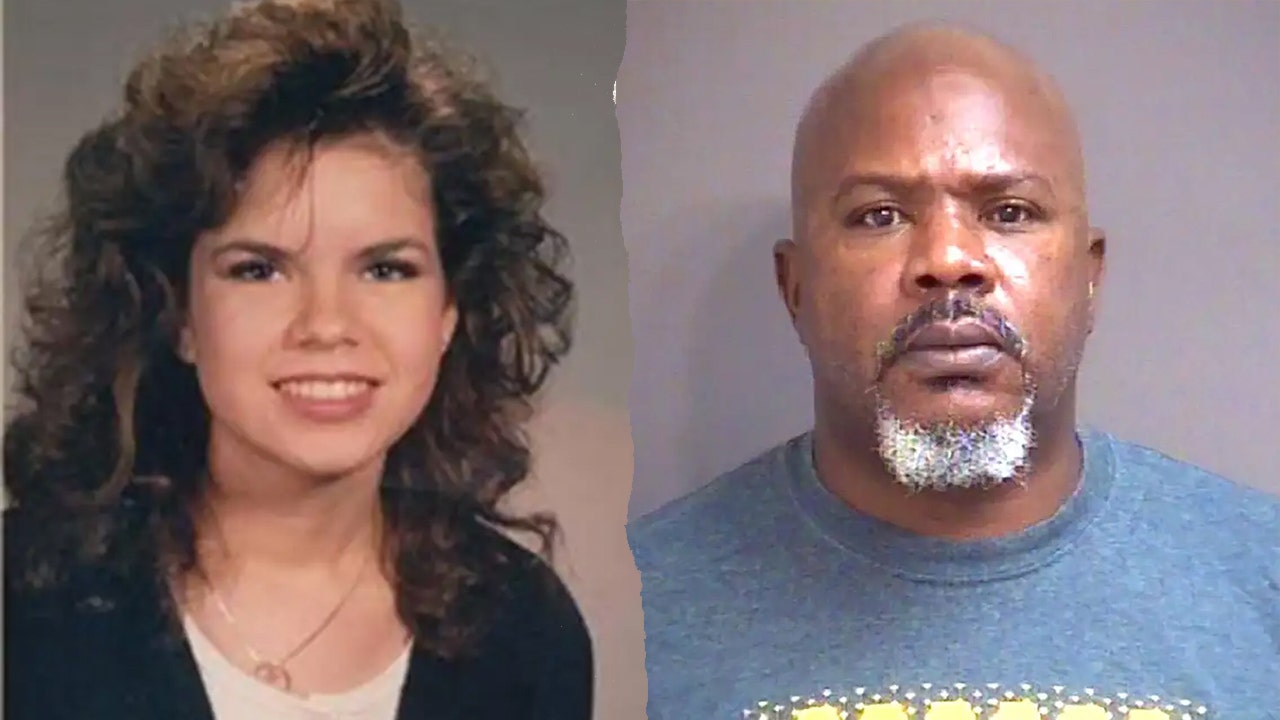
The story of Carmen Van Huss’s murder is one that haunts the quiet streets of Indianapolis, a tale of sudden violence that shattered a young life and left a family grappling with decades of unanswered questions. Imagine, if you will, a vibrant 19-year-old woman just starting out in the world—full of dreams, perhaps dreaming of college, a career, or simply the joy of everyday adventures. Carmen was that person: kind-hearted, unsuspecting, living in her own apartment, trusting the safety of her home. But on that fateful day in 1993, her world turned upside down in the most brutal way possible. A stranger broke in, violating her in unimaginable ways, and ended her life with 61 savage stab wounds. It wasn’t just a crime; it was a horrific invasion of innocence, ripping away not only her future but the peace of mind from everyone who knew her. For over 30 years, this case languished as a cold case, a painful reminder of how easily evil can slip through the cracks of society. Yet, through the relentless work of investigators and the magic of modern forensic science, justice finally caught up. Dana Shepherd, the man who committed this atrocity, was identified and brought to account, proving that even after decades, the truth can emerge from the shadows. In this narrative, we delve into the human cost—the tears of a family, the resilience of a community, and the bittersweet relief of closure—transforming a news headline into a poignant story of loss, persistence, and fragile hope.
Picture the scene that morning in 1993, a scene too raw and heart-wrenching for any parent to endure. Carmen’s father, rushing to check on his beloved daughter, stumbled upon a nightmare that no one should ever witness. There she lay, in a massive pool of blood that stained the carpet and spoke volumes of the struggle that had unfolded. The apartment, once a sanctuary of independence for a young adult, was now a crime scene: furniture overturned, objects scattered like debris from a storm, evidence of a frantic fight for survival that she ultimately couldn’t win. The police investigation revealed the depth of the horror—rape, a brutal sexual assault, followed by stabbing after stabbing, over 60 times, as if the perpetrator’s rage knew no bounds. Carmen, just 19, had been enjoying what should have been the prime of her life, perhaps laughing with friends, studying for classes, or simply existing freely. How could a human being do this? What twisted darkness drove someone to break in, commit such heinous acts, and leave behind a corpse that signified not just one life taken, but countless ripples of grief. For her family, this wasn’t just a statistic; it was daily pain, anniversaries marked by sorrow, and a void that grew deeper with each passing year. The story humanizes the dehumanizing act, reminding us that behind every cold case is a person whose light was extinguished far too soon, and a circle of loved ones forever changed by trauma that refuses to heal without answers.
Fast-forward through those three decades, and the passage of time only amplified the sting. A cold case isn’t just unsolved; it’s a living wound, festering in the hearts of those left behind. Carmen’s family and friends watched helplessly as life moved on for everyone except them. Birthdays, holidays, milestones—all tinged with the memory of what was stolen. Society went digital, wars were fought, technologies evolved, but this injustice lingered, a silent scream in the night. For Dana Shepherd, the perpetrator who was just 20 years old at the time, life seemed to go on unbroken. He had a criminal history even before the murder—charges for battery and public intoxication in Indiana, followed by more infractions in Missouri, like theft, disturbing the peace, and driving without a license. Yet, he blended into the world, perhaps holding down jobs, forming relationships, living a semblance of normalcy while Carmen’s absences were painfully felt. This raises profound questions about justice’s uneven scales: how does one person evade consequences for so long while others suffer eternally? The delayed closure isn’t just bureaucratic; it’s a profound human tragedy, where time erodes evidence but never the heartache. Imagine the nights when Carmen’s loved ones lay awake, wondering if the truth would ever surface, if their daughter’s killer would ever face the music. It’s stories like this that underscore the fragility of peace and the enduring power of memory, turning patience into a quiet form of heroism.
Breakthrough came in 2024, not through a stroke of luck, but through the tireless grind of modern investigation. DNA technology, that marvel of science, finally linked the dots after all these years. Missouri police, perhaps responding to a tip or routine check, arrested Dana Shepherd in Columbia, Missouri. Now 53, he was extradited to Indianapolis, a journey that must have felt like the closing of a long-overdue chapter. Extradition isn’t glamorous; it’s a reminder of accountability traveling across state lines, pulling a man from his life into the glare of past sins. For the investigators at the Marion County Prosecutor’s office, this was validation of years spent chasing clues. They pieced together a timeline: the break-in, the rape, the stabbings, and the flight from justice. Shepherd’s criminal past painted a picture of someone who skirted the rules, but nothing hinted at the monster within until DNA evidence matched him to the crime. Imagine his shock—perhaps a quiet life of regrets suddenly yanked into public reckoning—as detectives uncovered the proof. This human aspect of detection humanizes the process: behind the lab coats and badges are dedicated souls who refuse to let evil fade away, turning cryptic data into a path toward vindication. For Carmen’s family, the arrest was a spark of life in their darkness, a testament to how persistence, fueled by grief, can outlast the passage of time.
The case sped toward resolution with unexpected swiftness. Originally slated for trial next week, a plea deal emerged on Tuesday, shifting everything. Shepherd, facing murder and rape with deadly force charges, chose to admit guilt, leading to the dismissal of additional counts. In a courtroom filled with quiet tension, he stood before a judge on Friday, receiving a 45-year sentence that would finally lock away the man responsible. The plea wasn’t a surprise to some—perhaps a strategic move to avoid a protracted trial—but it did spare the family the ordeal of reliving the details on the stand. Sentencing days are emotive affairs: prosecutors outlining the devastation, families expressing heartbreak, and judges weighing decades of lost opportunities. In this instance, the 45 years felt like a drop in the ocean compared to the 33 years stolen from Carmen and her loved ones, yet it was a step toward balance. Humanizing this moment means acknowledging the mix of emotions—relief mingled with lingering anger, justice served but wounds still aching. Shepherd’s admission might signal some shred of remorse, or perhaps just a pragmatics calculus, but what’s undeniable is the closure it brought. Marion County Prosecutor Ryan Mears voiced gratitude: no time can heal the unimaginable loss, but securing a conviction offers justice and peace. For a prosecutor, this isn’t just a win; it’s a duty fulfilled, a solemn oath to protect the vulnerable.
Finally, the voices of the Van Huss family pierce through the legal jargon, grounding the story in raw human emotion. Their statement, released after the sentencing, resonates with a depth that no headline can capture. “While this plea deal was not our first choice, we are grateful that after 33 years the man responsible for Carmen’s brutal rape and murder is finally being held accountable.” The words drip with the weight of three decades: bitterness over his life of freedom, sorrow for the injustice that let him walk while they mourned, and a cautious gratitude for the light at the end of the tunnel. “For decades, the perpetrator was able to live a normal life after taking that right away from Carmen and from our family. Nothing can undo that loss or erase the injustice of him living freely for so long, but we are thankful that the truth has finally come to light and that he has not escaped justice.” In their grief, there’s a powerful humanity—the acceptance that nothing erases the pain, but justice restores a sliver of dignity. This isn’t just a family’s victory; it’s a universal echo of those grappling with unresolved loss. They embody resilience, turning passive waiting into active hope, reminding us that stories like Carmen’s aren’t forgotten. As society moves forward, with tools like DNA and dedicated detectives ensuring cold cases thaw, the hope is that fewer families endure this torment. Carmen’s story humanizes the impersonal march of crime and justice, urging us to cherish those we love and fight for answers when darkness calls. In the end, her memory endures as a beacon, proving that even after tragedy, the human spirit can demand and find peace.