



In an era where the sanctity of the ballot box has become one of the most fiercely debated issues in American life, the Department of Homeland Security’s (DHS) recent approval of a sweeping voter-verification initiative marks a significant turning point in the national conversation on election integrity. Approved in early June with an expected launch by the end of the month, this federal plan aims to bridge the gap between state election bureaucracies and federal citizenship databases, setting a major precedent for how voter eligibility is confirmed. For the average citizen, the act of voting is a deeply personal expression of civic duty—a hard-won right that defines their place in the fabric of the nation. However, behind the simple act of pulling a voting booth lever or sealing a mail-in envelope lies a complex, often invisible web of administrative processes that verify whether each voter is indeed eligible to participate. By permitting states to submit their entire registration rolls to a federal immigration database, the DHS is attempting to fulfill a central pillar of President Donald Trump’s broader election security agenda, addressing long-standing public concerns about registration vulnerabilities while sparking intense dialogue about the delicate balance between securing the vote and keeping it accessible to all eligible Americans.
At the operational core of this new initiative is a sophisticated database matching system designed to transform the daily routines of local election administrators, who are often the unsung heroes of democratic logistics. Under the approved proposal, states will be allowed to cross-reference their complete voter registration lists directly with the Systematic Alien Verification for Entitlements (SAVE) program, a federal database managed by U.S. Citizenship and Immigration Services (USCIS). For local county clerks and seasonal precinct workers, this integration represents a massive shift from localized record-keeping to centralized federal oversight, giving them direct, secure access to citizenship and identity records maintained by the Social Security Administration and the State Department. Instead of relying on manual paperwork or self-attestation, election workers will soon have the tools to verify a voter’s citizenship status with unprecedented precision. The human element of this technological leap is immense; it aims to relieve local staff of the burden of making subjective eligibility determinations, replacing paperwork hurdles with real-time, data-driven validation, though it also places a heavy responsibility on these workers to ensure that eligible, naturalized citizens are not mistakenly flagged due to minor clerical mismatches.
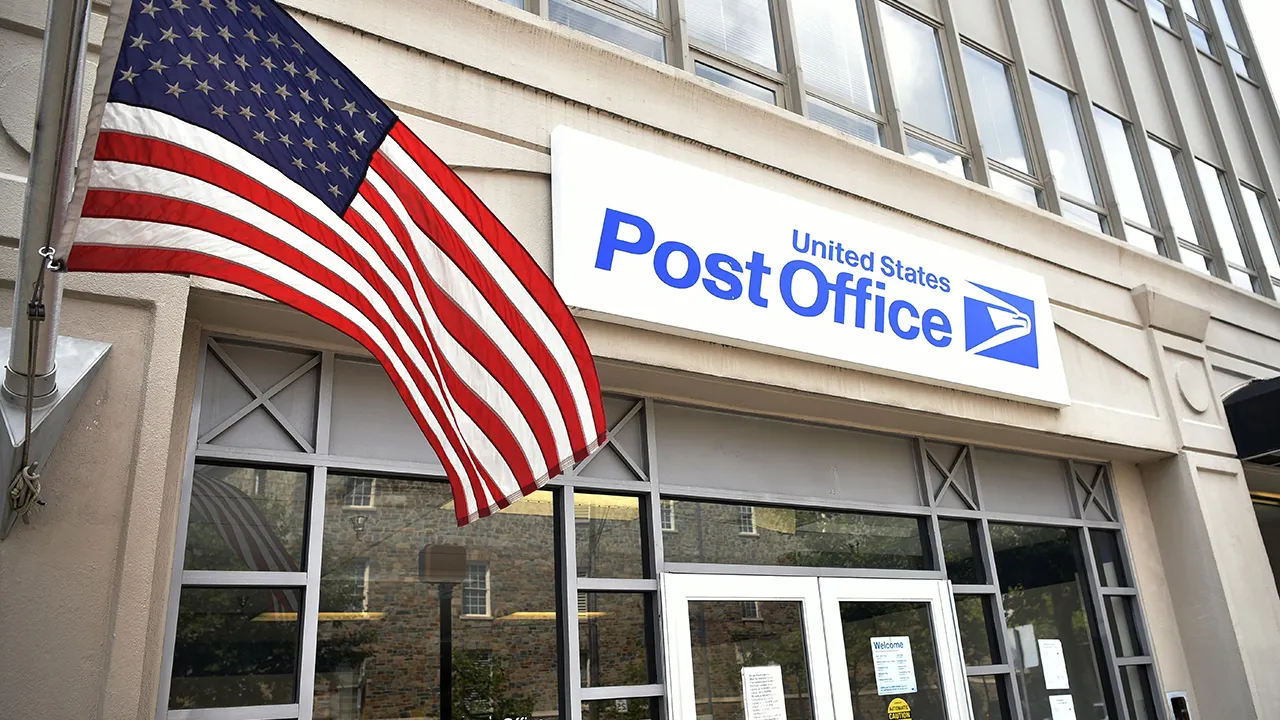
Beyond the digital confines of database verification, the DHS plan extends its reach into the physical world of mail-in and absentee voting through a joint effort with the United States Postal Service (USPS). For millions of Americans, the convenience of voting from the kitchen table has become a vital alternative to waiting in long lines at local polling stations, making the mail carrier a key link in the democratic chain. Under the newly approved guidelines, however, the journey of a physical paper ballot will be scrutinized more closely than ever before. The DHS plans to coordinate directly with the USPS to actively monitor the flow of mail-in ballots, using data analytics to identify unusual patterns, detect potential fraud, and generate actionable investigative leads for law enforcement. Furthermore, the mail system will enforce strict delivery protocols, prohibiting the distribution of ballots to anyone not officially registered on a state-provided “Mail-In and Absentee Participation List.” By requiring that all outgoing ballot envelopes feature a highly visible “Official Election Mail” marking and a unique tracking barcode, the initiative seeks to reassure a skeptical public that paper ballots are shielded from interference from the moment they leave a voter’s hand to the moment they are officially tabulated.
This sweeping policy shift is the direct result of a hands-on executive effort, tracing its origin back to President Donald Trump’s March 31 executive order, “Ensuring Citizenship Verification and Integrity in Federal Elections.” This directive instructed federal agencies to pool their resources to identify confirmed U.S. citizens over the age of eighteen and share this highly curated data directly with state leaders to create “state citizenship lists.” Politically, the move has catalyzed a passionate and deeply partisan struggle in both the halls of Congress and state legislatures across the country. Republican lawmakers have embraced the directive, leveraging it to push for stricter voter identification laws and arguing that verifying citizenship is a common-sense measure necessary to protect the integrity of the vote. Meanwhile, voting rights advocates and Democratic opponents have voiced deep concerns, arguing that the system could lead to systemic voter disenfranchisement, particularly among naturalized citizens, minority groups, and low-income individuals who may face bureaucratic hurdles in correcting database errors. This clash of philosophies highlights a fundamental national debate: whether a secure election is one that maximizes security and verification or one that prioritizes open, unimpeded access for all eligible voters.
In an era characterized by routine data breaches and heightened anxiety over digital privacy, the security of the information being exchanged between state and federal systems is a paramount concern for both policymakers and everyday citizens. Recognizing that voter rolls contain highly sensitive personal information—including names, addresses, social security numbers, and immigration histories—the design of the new verification system prioritizes a federated, decentralized architecture. Rather than consolidating this wealth of personal details into a single, vulnerable state-run database, the DHS plan relies on a secure online portal that acts as a digital bridge between agencies. State election officials will be able to query the system to run real-time citizenship checks, but the actual, underlying data will remain securely housed within the protective firewalls of the respective federal agencies, such as the Social Security Administration and the State Department. This design ensures that sensitive information is only accessed on an as-needed basis, minimizing the digital footprint of each query and protecting citizens from potential identity theft or unauthorized data exploitation. For the average voter, who may feel uneasy about their personal history being cross-referenced across multiple government entities, this protective framework offers a crucial layer of reassurance.
As the late June launch date rapidly approaches, the real-world impact of this DHS initiative will soon be felt in communities from coast to coast, altering the landscape of American civic engagement ahead of future elections. This policy represents much more than a collection of secure servers and barcode-scanned envelopes; it is a profound testament to how modern governments are leveraging technology to redefine the relationship between the state and the voter. The success of this ambitious program will ultimately be measured not by the volume of data it processes, but by its ability to foster genuine trust among the American electorate. If implemented smoothly, it has the potential to rebuild public confidence in election outcomes, reassuring voters that their voices are not being diluted by illegal participation. Conversely, if the system is plagued by bureaucratic errors, false positives, or accessibility barriers, it risks alienating eligible citizens and deepening the partisan divisions that already fracture the political landscape. Ultimately, the quest for election integrity is a deeply human endeavor, rooted in the collective desire for fairness, representation, and trust in the democratic process.