


Minneapolis Politics and the Justice System: From Chauvin to ICE
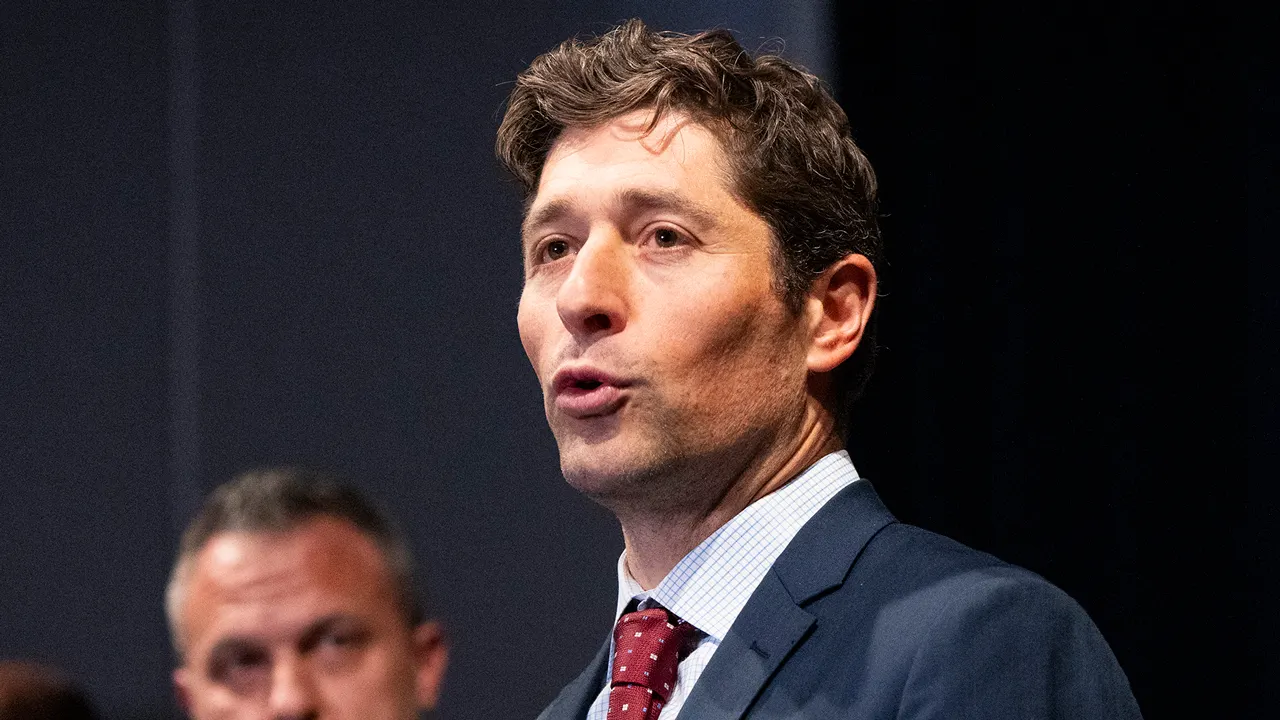
In the wake of a controversial shooting involving an Immigration and Customs Enforcement (ICE) agent in Minneapolis, questions about justice, political influence, and fair trials have resurfaced. This incident comes just four years after the George Floyd case that put Derek Chauvin behind bars. The swift political condemnation of the ICE agent by local officials, including Mayor Jacob Frey and Governor Tim Walz, raises concerns about whether justice can be impartially served in such a politically charged environment. Mayor Frey immediately characterized the shooting as “murder” before a full investigation, while Governor Walz criticized both President Trump and ICE rather than waiting for facts to emerge. This rush to judgment mirrors some aspects of the atmosphere surrounding the Chauvin case, where political pressures were immense.
The political climate in Minneapolis appears especially challenging for law enforcement officers involved in use-of-force incidents. The city council, described as extremely progressive, joined in condemning the ICE agent’s actions as “cold-blooded murder” despite emerging evidence suggesting the agent may have acted in self-defense when Renee Good allegedly attempted to strike him with her vehicle. Local citizens have taken to the streets in protest, with some businesses displaying signs instructing people how to interfere with ICE operations. This environment raises legitimate questions about whether any federal agent could receive a fair trial in Minneapolis, given the pre-existing political biases and public sentiment that appears to have formed before all facts are known.
The current situation has prompted reflection on media coverage following George Floyd’s death. Some journalists now express regret about how that case was covered, acknowledging that important facts—such as toxicology reports showing Floyd had high levels of fentanyl and methamphetamine in his system—were downplayed in favor of a broader narrative about racial justice. The social pressure to conform to a particular viewpoint was overwhelming during that time, with cities experiencing unrest and political figures like Kamala Harris reportedly raising funds for those arrested during protests. This conformity pressure made it difficult for anyone, including journalists, to question the prevailing narrative that Chauvin was unquestionably guilty, regardless of mitigating evidence that might have complicated the case.
The conservative response to this current incident appears to mark a shift in approach. Rather than accepting a predetermined narrative, many conservatives are rallying behind the ICE agent, similar to their support for Daniel Penny in New York City and Kyle Rittenhouse in Kenosha, Wisconsin—both individuals who claimed self-defense in high-profile cases. The argument being made is that law enforcement officers deserve the presumption of innocence and due process, particularly when evidence suggests they acted lawfully in dangerous situations. The Department of Homeland Security and Vice President JD Vance have publicly supported the ICE agent, emphasizing the importance of backing federal officers when their actions appear justified. This contrasts sharply with the local political leadership’s immediate condemnation.
Misinformation seems to be spreading rapidly about the Minneapolis shooting, creating challenges for a fair evaluation of what happened. Claims that the car never hit the agent, that Good wasn’t blocking traffic, that she was merely dropping off her child, that she isn’t politically affiliated with anti-ICE groups, and that she received conflicting orders from agents have all circulated widely, despite emerging evidence contradicting some of these assertions. The concern is that much of the potential jury pool in Minneapolis may already have formed opinions based on these narratives, making an impartial trial difficult if not impossible. This parallels concerns that were raised, but often dismissed, during the Chauvin case about the difficulty of finding impartial jurors in a city traumatized by both Floyd’s death and the subsequent unrest.
The Trump administration faces limitations in addressing the Derek Chauvin case, as presidential pardons don’t apply to state convictions. However, the current situation offers an opportunity to ensure that the ICE agent involved in the recent shooting receives fair treatment under the law, without political pressure determining the outcome. The argument being made is that justice requires impartiality—allowing investigations to proceed based on facts rather than political expediency or ideological commitments. The contrasting responses from federal officials and local Minneapolis leadership highlight the deep political divisions that continue to influence how use-of-force incidents are interpreted and processed through the justice system. As this case unfolds, it may reveal whether lessons have been learned about the importance of due process, even in cases that become politically charged and publicly divisive.