


The Dramatic Survival Story Unfolds
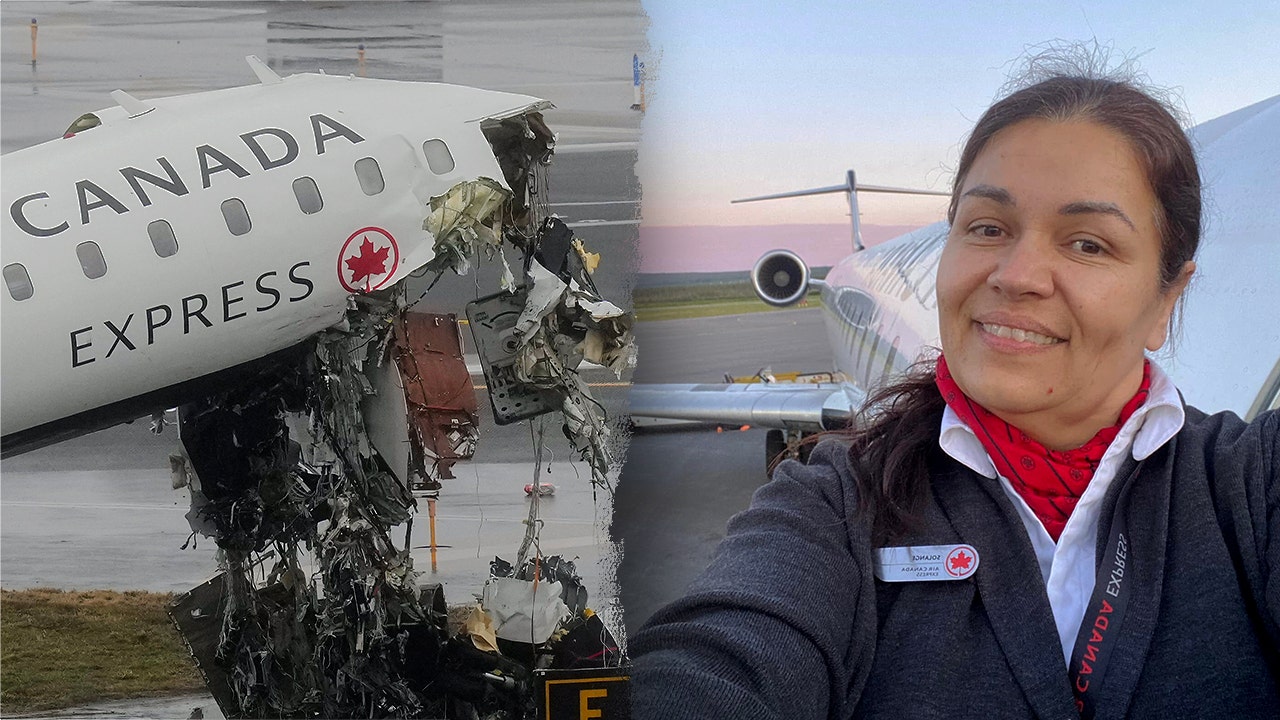
In the aftermath of a heart-wrenching tragedy at New York City’s LaGuardia Airport, one woman’s incredible tale of resilience has captured the world’s attention. On March 22, a chaotic runway collision turned a routine landing into a nightmare for everyone aboard Air Canada’s regional jet, Flight 8646. The plane, operated by Jazz Aviation for Air Canada Express, slammed into a fire truck, killing both pilots instantly and injuring dozens of passengers and emergency responders. But amid the wreckage, amidst the twisted metal and shattered dreams, Solange Tremblay emerged as a beacon of hope—a flight attendant who defied the odds by surviving. As a veteran in the skies, Solange had spent decades ensuring the safety of others, but on that fateful day, forces beyond her control hurled her jump seat, where she was securely strapped, right out of the aircraft onto the tarmac. It was a total miracle, as aviation experts like Jeff Guzzetti would later describe, attributing her survival to the robust design of that wall-mounted jump seat, engineered to withstand crashes far better than standard passenger seats. While the investigation into the incident—marked by conflicting information from the tower about ground-control duties—continues, Solange’s story reminds us of the fragility of life in the aviation world and the unpredictable heroism that can emerge from disaster.
For Solange, the crash wasn’t just an accident; it was a brutal awakening to the limits of human endurance. Conscious throughout the ordeal, she felt every bone-shattering jolt as the plane disintegrated around her. Her daughter, Sarah Lepine, bravely shared this harrowing account in a heartfelt GoFundMe appeal, painting a vivid picture of a mother who, despite her injuries, fought fiercely for recovery. “My mom was alive for all of this,” Sarah wrote, her words trembling with emotion, “sustaining severe injuries that will change her life forever.” Those injuries included two legs shattered into open fractures, each requiring multiple surgeries replete with metal plates to piece back the mangled bones. Adding to the horror, Solange suffered a fractured spine, with doctors still debating whether invasive surgery might be necessary to stabilize it. Yet, through it all, her spirit remained unbroken—a testament to years of service in the airline industry, where she juggled the demands of long-haul flights, unruly passengers, and the constant pressure of safety protocols. Sarah’s plea for donations wasn’t just about finances; it was a call to rally around a woman who had dedicated her life to the skies, only to be plunged into this abyss of pain. As the fundraiser ballooned to over $133,000 from more than 2,200 generous donors, it highlighted a community’s outpouring of support, transforming strangers into a makeshift family bound by shared empathy.
Sarah Lepine, navigating the whirlwind of grief and hope, found solace in sharing her mother’s story publicly. In interviews and social media posts, she humanized the tragedy, transforming stark news headlines into a personal narrative of love and tenacity. Solange wasn’t just a flight attendant; she was a devoted mother, a grandmother whose laughter filled family gatherings with joy. “She’s always been the strong one,” Sarah recalled in one tearful conversation, remembering how her mother rose before dawn to start shifts at airports, embodying the quiet heroism of those who toil behind the scenes. The crash, however, stripped away that facade, leaving Solange in a New York hospital room, grappling with a reality of constant fear and isolation. Sarah detailed the looming threats—potential infections that could spiral into sepsis or worse—which kept every visitor on edge. “We’re terrified of complications,” she confessed, her voice raw with vulnerability. Surgery after surgery loomed, each one a gamble against immobility or chronic pain that might prevent Solange from ever walking again, let alone flying. Through this, Sarah’s GoFundMe became more than a financial lifeline; it connected people globally, fostering messages of encouragement that reminded Solange she wasn’t alone in her fight.
The human toll of the LaGuardia incident extended far beyond Solange, weaving a tapestry of loss and survival that touched countless lives. The two pilots—skilled professionals cut short in their prime—left behind families echoing the same grief Sarah felt. Dozens of passengers, some with their own stories of vacations turned into ordeals, nursed bruises and breaks, while emergency responders rushed in, sustaining injuries in their desperate efforts to aid survivors. Jeff Guzzetti, a seasoned aviation safety expert, dissected the mechanics of Solange’s miraculous escape, explaining how the jump seat’s bolted structure acted as a fortress against the deafening crash forces. “It’s not luck,” he asserted during a Fox News segment, “but engineering that saved her, designed for flight attendants to egress and help others post-crash.” This perspective didn’t diminish the awe; it amplified it, showing how human ingenuity intersects with fate. For Solange, strapped in her seat as the nose crumpled, every second must have felt eternal—a blend of adrenaline, terror, and an instinct to survive. Her consciousness during the chaos meant she witnessed the devastation firsthand, adding layers to her trauma that therapy might one day unravel.
As days turned into weeks, Solange’s recovery became a focal point for the broader aviation community, sparking discussions on safety improvements. Air Canada and Jazz Aviation issued statements of condolence, pledging support for victims and vowing to prevent future catastrophes. The NTSB’s investigation delved into the murky details of the tower’s “conflicting information,” questioning whether ground-control responsibilities were mishandled, potentially leading to the fatal miscommunication that diverted the plane onto a path intersecting the fire truck. In the hospital, Solange faced not just physical hurdles but emotional ones—nightmares replaying the impact, the smell of scorched metal, the distant sirens. Her daughter Sarah, ever the vigilant guardian, recounted moments of fragile hope: a weak smile from Solange after morphine doses wore off, reassurances that “I’m still here for you.” The generous donations poured in from pilots’ unions, fellow flight attendants, and ordinary citizens moved by Fox News coverage, covering medical bills, lodgings for Sarah in New York, and even therapy sessions to heal the invisible wounds.
Ultimately, Solange Tremblay’s journey symbolizes the indomitable nature of the human spirit, turning a news story into an inspirational saga. While the crash claimed lives and scarred bodies, her survival underscores the power of preparation and resilience in the face of unimaginable adversity. As she embarks on what promises to be a lengthy rehabilitation process—potentially spanning months or years—with surgeries on the horizon to mend her legs and spine, the world watches with bated breath. Sarah’s advocacy ensures her mother’s voice is heard, transforming personal anguish into a communal plea for compassion. In this era of viral stories, Solange’s tale reminds us that heroes aren’t always in capes; sometimes, they’re in uniform, strapped into jump seats, facing down disaster one breath at a time. Fans of Fox News can now listen to related articles, deepening the connection to such riveting real-life dramas. Through it all, families like the Lepines find strength in unity, proving that even from the ruins of a runway, hope can soar anew.