




The Enduring Mystery of Laci Peterson’s Murder: Two Decades Later
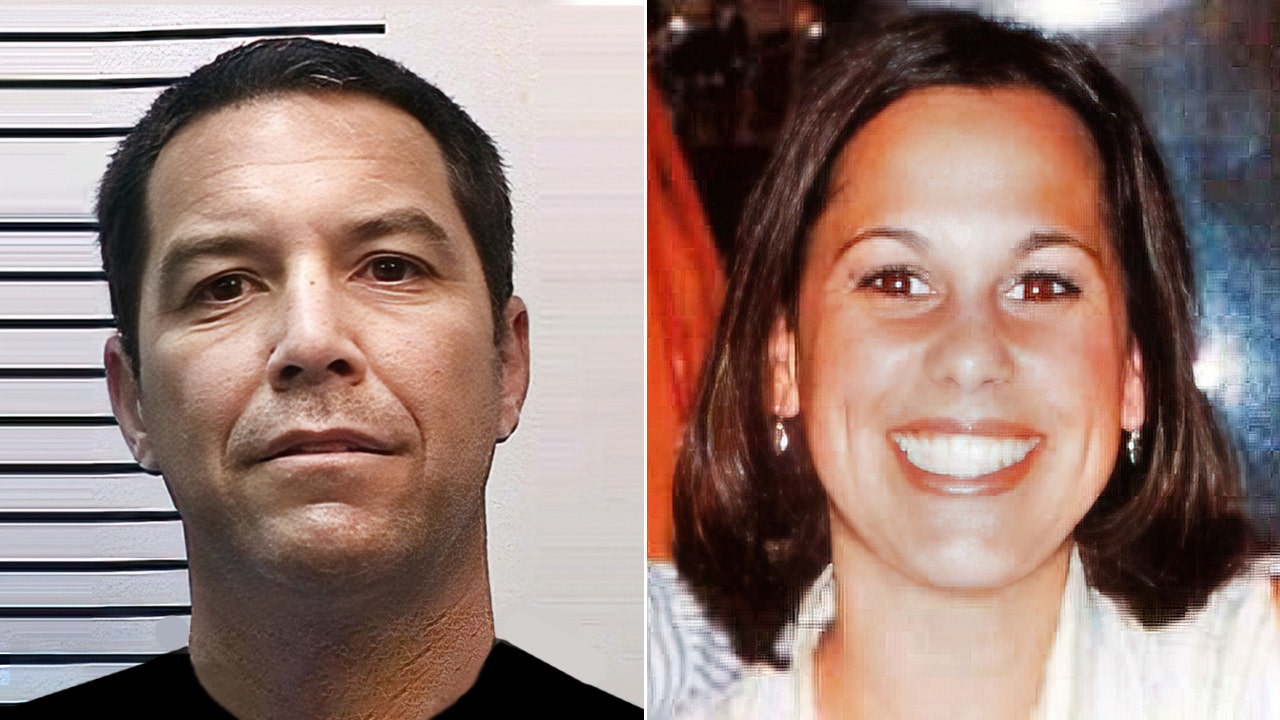
The disappearance of Laci Peterson on Christmas Eve 2002 remains one of America’s most haunting true crime stories more than twenty years later. What began as a desperate search for a pregnant woman in Modesto, California, evolved into a media sensation that continues to captivate public attention today. Scott Peterson, Laci’s husband, was convicted in 2004 of murdering both his wife and their unborn son, Conner, whose remains were discovered months after the disappearance in the San Francisco Bay. Once sentenced to death, Scott now serves life without parole in California state prison following legal challenges to his original sentence. Despite the conviction standing for nearly two decades, the case remains very much alive in both public consciousness and the legal system, with the Los Angeles Innocence Project filing a petition in April seeking to overturn his conviction entirely.
The journey from death row to life imprisonment represents just one chapter in the ongoing legal saga. The California Supreme Court previously ruled that excluding certain jurors based on their views of capital punishment constituted legal error, overturning Peterson’s death sentence though not his conviction. When prosecutors later declined to retry the penalty phase—a decision influenced by Laci’s family choosing not to pursue it amid California’s death penalty moratorium—Peterson’s sentence was formally reduced to life without parole. This legal reshuffling created an opening for the Los Angeles Innocence Project to take up Peterson’s case, arguing that new evidence might exonerate him. Their involvement has reignited public interest, with former federal prosecutor Neama Rahmani noting, “When the Innocence Project takes up your case, people start to notice.” The involvement of such a prominent organization has brought renewed scrutiny to a case many considered definitively closed.
The alternative theory now championed by Peterson’s defenders suggests a scenario dramatically different from the prosecution’s narrative. This competing explanation proposes that Laci was abducted by burglars who later killed her and disposed of her body in San Francisco Bay specifically to frame Scott Peterson after news reports revealed he had been fishing in that area on the day of her disappearance. While this theory attempts to explain the proximity of Laci’s remains to Scott’s fishing location—one of the most damning circumstantial pieces of evidence against him—prosecutors maintain that the original case against Peterson remains compelling. The prosecution’s narrative weaves together multiple strands of circumstantial evidence: Peterson’s extramarital affair provided motive, the location of Laci’s body near his fishing spot created opportunity, and his post-disappearance behavior—including dyeing his hair, carrying cash, possessing someone else’s ID, and having camping gear—suggested consciousness of guilt and preparation for flight.
The persistence of Peterson’s case in public consciousness owes much to media coverage, which continues through documentaries and true-crime programming that revisit the conviction with varying degrees of skepticism. This media attention can prove double-edged, potentially benefiting or harming Peterson’s chances for eventual release. As Rahmani observes, “The practical reality is that media coverage can affect a case. Public and political pressure can change outcomes, even though every case should be decided on its legal and factual merits.” This relationship between justice and publicity highlights how high-profile cases like Peterson’s often operate within two parallel systems—the strictly legal process within courthouse walls and the court of public opinion shaped by media narratives and changing societal attitudes toward criminal justice. The continued fascination with the case reflects both its emotional resonance as a family tragedy and its procedural complexity as a legal matter that refuses simple resolution.
One significant misconception currently circulating, according to Rahmani, is the notion that Scott Peterson stands on the verge of release. While legal challenges continue, they remain narrowly focused on specific aspects of the case rather than representing a comprehensive dismantling of the prosecution’s evidence. The alternate theory being advanced by Peterson’s defense team faces substantial hurdles in overcoming the weight of circumstantial evidence that convinced the original jury. “There’s still some legal challenges, but they’re narrow,” Rahmani explains. “On the factual side, it’s really this alternate theory the defense is pushing.” This clarification serves as an important reminder that while Peterson’s legal team continues to explore avenues for potential relief, the bar for overturning established convictions remains extraordinarily high, particularly in cases where the evidence, though circumstantial, forms a cohesive narrative supporting guilt.
As 2025 approaches, the Peterson case stands as a reminder of how certain crimes transcend their moment to become enduring parts of America’s true crime landscape. The elements that made this case so compelling initially—a missing pregnant woman, a husband with a secret life, bodies discovered months later—continue to resonate with audiences and inspire debate about justice, evidence, and truth. Despite the persistent legal challenges and media attention, Rahmani offers a sobering assessment of Peterson’s prospects: “I don’t think it’s a particularly good shot, and I do expect Scott Peterson to die in California State Prison.” Yet the case’s endurance in our collective consciousness speaks to something deeper than mere fascination with crime—it reflects our ongoing cultural struggle with questions of appearance versus reality, the limits of circumstantial evidence, and whether justice has truly been served when reasonable doubt can still be argued decades after a conviction. For Laci’s family, these continuing legal battles and media narratives mean the tragedy that began on Christmas Eve 2002 still lacks the closure that a final resolution might bring.