




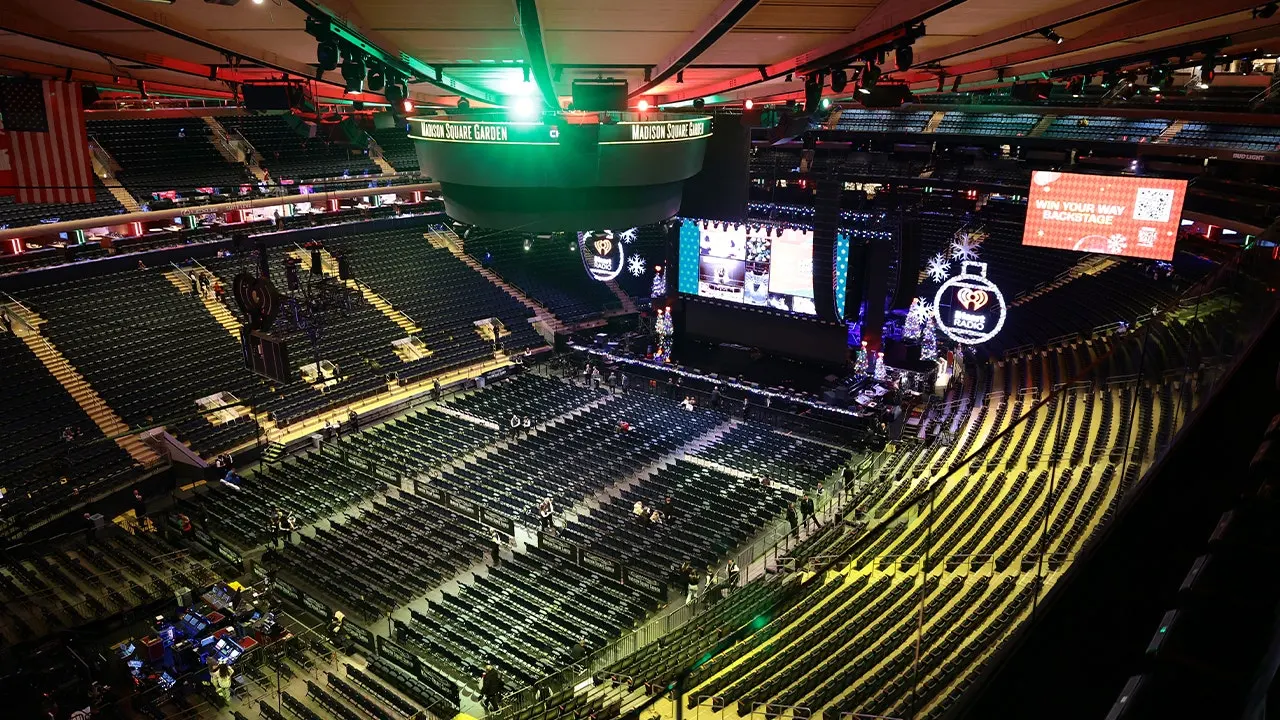
Live music holds a deeply sacred place in our modern cultural landscape, serving as a rare and precious sanctuary where thousands of different people can gather to shed their daily burdens and immerse themselves in the transformative power of a shared performance. On a seemingly ordinary Saturday night in New York City, Madison Square Garden—affectionately dubbed “The World’s Most Famous Arena”—pulsed with this exact brand of vibrant, expectant energy as the rising indie-groove powerhouse Goose prepared to take the stage. This was the second night of a monumental, highly anticipated, double-concert run that had completely sold out weeks in advance, drawing passionate fans from every corner of the country who came together to lose themselves in the complex, improvisational jams and soaring, emotional melodies that have fueled the Connecticut-based band’s rapid ascent to rock-and-roll stardom. Anticipation hung heavy in the air; friends embraced in the crowded concourse, complete strangers bonded over shared favorite songs, and the atmosphere was thick with the scent of excitement and collective joy. Looking down from the soaring steel rafters to the packed general admission floor, the historic arena resembled a massive, beating heart, united by the universal language of art, community, and human connection. Yet, in an instant, this dazzling celebration of community, light, and life was pierced by an unimaginable tragedy that would forever alter the course of the evening and leave a permanent mark on the hearts of everyone present. Far above the stage, where the lights danced and the music echoed, a sudden and catastrophic accident unfolded, transforming a night of unparalleled artistic triumph into a somber, heartsick vigil. The stark and painful juxtaposition between a room overflowing with collective euphoria and the quiet, crushing reality of a sudden human loss serves as a devastating reminder of just how fragile our lives truly are, even in the very moments and places where we feel most alive.
According to official reports released by the New York Police Department, the dream of a beautiful night out turned into an absolute nightmare shortly before ten o’clock in the evening, as the concert was in full swing. A fifty-one-year-old male, who had entered the legendary arena that evening alongside his loving wife to celebrate their shared passion for live music, suffered a fatal fall from one of the highest vantage points in the historic stadium. Specifically, local television news outlets reported that the tragic plunge originated from the 300 level of Madison Square Garden, a lofty section of the arena that spans the upper-tier balcony and steep seating bowls, positioned significantly above the lower tiers and the main general admission floor. As the band played on and the crowd danced, unaware of the crisis developing high above them, police officers and emergency medical technicians rushed to respond to an urgent 911 call reporting an unconscious and severely injured spectator at the venue. Upon arriving at the scene, law enforcement officers observed the fifty-one-year-old man lying unresponsive and unconscious, bearing severe, catastrophic injuries that were immediately recognized as being fully consistent with a fall from a devastatingly elevated position. Paramedics worked with desperate urgency, administering life-saving medical care in the middle of the chaotic, bustling venue before quickly transporting him to NYC Health + Hospitals/Bellevue, a renowned trauma center. Despite the swift, heroic efforts of the first responders and the specialized trauma staff at the hospital, the extent of the victim’s injuries proved far too severe to overcome, and he was pronounced dead shortly after arrival, leaving his wife empty-handed and his family to face a sudden, unimaginable reality of profound, everlasting grief and shock that no one could ever prepare for.
Beyond the clinical facts of police reports, emergency radio transmissions, and media broadcasts lies a deeply devastating human story that demands our deepest empathy, reflecting the profound tragedy of a family shattered in a single, fleeting second. This fifty-one-year-old man was not simply a statistic in a city database, a line in a news report, or an anonymous spectator in a stadium of twenty thousand people; he was a husband, a friend, a cherished loved one, and an avid music fan who had come to the legendary arena to share a beautiful, memory-making experience with his wife. The presence of his wife at the venue adds an agonizing layer of profound heartbreak to the narrative, as she was forced to witness her partner’s final moments amid the deafening, celebratory roar of a concert crowd, transitioning from shared joy to unspeakable terror in the blink of an eye. For those who love live music, there is a sacred, unwritten contract we make with the venues we visit: we assume these spaces are safe havens where we can temporarily escape the harsh realities of the outside world, lower our defenses, dance freely, and connect with our fellow human beings. When a catastrophic accident like this occurs, it shatters that fragile illusion of safety, sending deep shockwaves through the tight-knit fanbase of Goose and the broader, global community of concertgoers who understand the shared vulnerability of standing in a crowded room. This tragic loss serves as a stark, sobering reminder that behind every news alert is a rich, irreplaceable human life—full of personal triumphs, quiet struggles, cherished relationships, and future dreams—that has been abruptly and permanently extinguished, leaving those left behind to navigate a sudden, dark, and confusing expanse of grief.
The members of Goose—guitarist and vocalist Rick Mitarotonda, bassist Trevor Weekz, multi-instrumentalist Peter Anspach, and drummer Cotter Ellis—were left utterly devastated by the shocking news of the tragedy that transpired during their milestone performance. For any rising musical group, headlining a multi-night, sold-out run at Madison Square Garden is the absolute pinnacle of artistic achievement, a dream nurtured over years of exhausting tours, empty club gigs, and relentless dedication to their craft. To have such a monumental, career-defining celebration forever intertwined with the tragic loss of a fan’s life is an incredibly heavy emotional burden for these sensitive artists to carry, casting a permanent shadow over what should have been their brightest moment. Demonstrating profound maturity, grace, and authentic grief, the band quickly released a heartfelt public statement to address the tragedy, extending their deepest condolences to the victim’s family and acknowledging the heavy cloud hanging over their community. “We are deeply saddened and heartbroken to learn of the tragic event that occurred at tonight’s show,” the band wrote in a poignant message that echoed the collective shock of their entire fanbase. “We extend our deepest sympathy to everyone affected. Thank you to the emergency personnel and venue staff who stepped in with care and support.” Their quick and compassionate public response underscored a profound sense of responsibility and kinship with their audience, revealing that they do not view their fans merely as consumers of tickets and merchandise, but as vital, cherished members of a shared spiritual family who grieve together in times of darkness, seeking comfort in their community. This poignant gesture of genuine solidarity helped to anchor a community adrift in confusion and deep sorrow during what was supposed to be a historic, celebratory weekend of triumphant artistic achievement.
In the shadow of this terrible event, attention has naturally turned to the physical structure of Madison Square Garden and the critical safety parameters governing massive, high-altitude entertainment venues. MSG Entertainment, the powerful media and venue management group that oversees the daily operations of the legendary, historic arena, immediately issued a formal statement expressing their profound sorrow while pledging full cooperation with the New York Police Department’s ongoing investigations into the exact mechanics of the accidental fall. “While we await the police report on the tragedy at last night’s Goose concert, we are deeply saddened by the loss of a fan’s life at Madison Square Garden,” a spokesperson for MSG Entertainment stated, emphasizing that their collective thoughts, prayers, and hearts go out to the grieving family and friends of the deceased concertgoer during this unthinkable time of sudden sorrow. The 300 level of Madison Square Garden is famous for its steep seating configuration and breathtaking, birds-eye panoramic views, designed to bring fans as close to the sensory action as possible, but this architectural marvel also demands a high level of physical caution from patrons who find themselves high above the arena bowl. This heartbreaking incident echoes a small but concerning history of accidental falls at major sporting events and concert arenas across the country, igniting ongoing public debates regarding barrier heights, modern railing regulations, crowd behavior, and the fundamental duty of care that massive venues owe to their patrons. As dedicated detectives and building safety inspectors diligently work to reconstruct the final moments leading up to the accidental plunge, both loyal fans and corporate venue administrators are left to seriously contemplate how historic arenas can better balance aesthetic architectural design with the absolute, non-negotiable imperative of human physical safety.
As the physical evidence is cleared and the bright lights of Madison Square Garden are dimmed, the relentless, uncompromising gears of the music industry grind forward, even as the hearts of those involved remain heavy and forever changed. The very next evening, Goose was scheduled to take the stage once again, this time under the open skies and rustling canopy of Central Park’s iconic SummerStage for yet another sold-out performance. There is a deep, agonizing complexity to this transition; the industry mandates that the show must go on, yet the quiet ghost of Saturday night’s tragedy lingers in the air, transforming the subsequent outdoor performance into a bittersweet space for collective mourning, quiet reflection, and emotional processing. For many, live music is the ultimate form of emotional medicine, and the transition to the natural, tranquil beauty of Central Park likely provided a desperately needed sanctuary for the band, the crew, and the shell-shocked fanbase to hold space for their grief and seek a fragile sense of healing together under the autumn stars. This tragedy ultimately stands as a solemn, indelible reminder to cherish every fleeting, beautiful moment we have with those we love, to look out for one another with fierce protectiveness in crowded public places, and to never take the simple gift of a safe return home for granted. As the band plays their final soaring chords and the crowd slowly disperses into the cool New York night, the memory of the fifty-one-year-old husband and music lover who lost his life will endure in the quiet thoughts of the community, serving as a gentle, haunting reminder that even within our loudest and most joyous celebrations, we must always stand watch over the precious, fragile, and irreplaceable human souls sharing the physical and spiritual journey right beside us in the dark.