


A Breakthrough in Shadows: The Long-Awaited Justice for Deanna Ogg
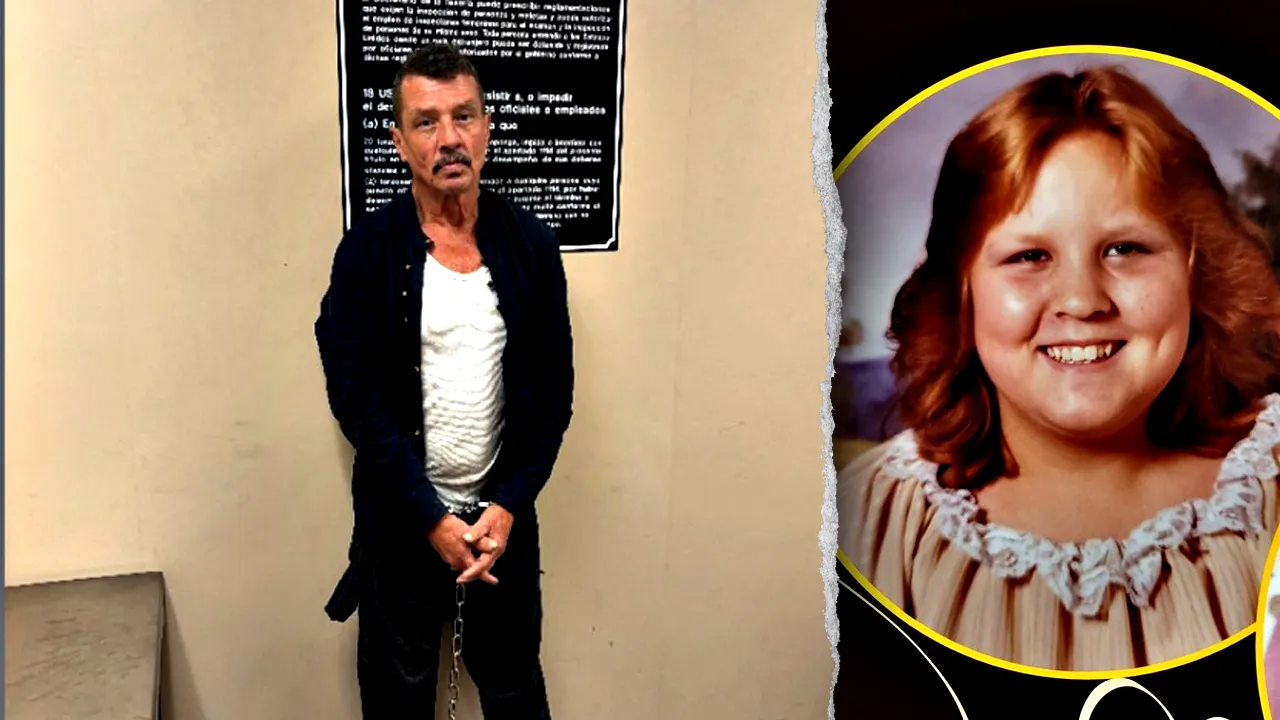
In the quiet, whispering pines of Texas, where the air still carries echoes of 1986, a story of unspeakable tragedy begins to find its voice. Picture a young girl named Deanna Ogg, just 16 years old, bright-eyed and full of the simple joys of life. She hailed from Porter, a small town north of Houston, where family gatherings were the heartbeat of existence. On September 27th of that year, Deanna set out to join one such celebration, leaving home around 5 p.m., her steps light with anticipation. But darkness lurked on the logging roads, those secluded paths that crisscrossed the wild woods like veins in a forgotten map. Just two hours later, innocent children playing nearby stumbled upon her lifeless body, discovered seven miles from her starting point. The sight was horrifying—she had been sexually assaulted, beaten, and stabbed, her young life extinguished in a frenzy of violence that shocked a community already grappling with the fragility of innocence. At the time, the crime was dubbed part of the “lovers’ lane” murders, a chilling label for atrocities committed under the cover of night. Deanna’s story wasn’t just a headline; it was a family’s nightmare. Her mother, sitting decades later in a news conference, spoke of Deanna’s short life with a heart-wrenching letter read aloud by Sheriff Wesley Doolittle. “Deanna wasn’t on this earth for a long time. She was here for a good time. Her love of Jesus and love of family has withstood a lifetime.” These words, delivered with trembling resolve, humanize the pain that time never fully healed. Imagine the mother, her voice steady yet cracking, recalling not just the loss but the essence of her daughter—a girl who loved unconditionally, whose faith and familial bonds outlasted her mortal existence. It’s a reminder that behind cold case numbers lie real people, with dreams deferred and lives etched into eternity.
The investigation at the time was frantic, a puzzle with missing pieces. Authorities arrested a man the next month, and he was convicted based on the evidence then available. But as years turned to decades, DNA technology—the silent sentinel of justice—revealed the truth. That man was exonerated, his name cleared through the magic of genetic science that could separate the truthful threads from the tangled lies. Deanna’s case went dormant for nearly 40 years, a relic in dusty files, while her family lived in limbo, wondering if answers would ever come. It’s infuriating to think of such vital information lying inert, but human perseverance in the face of bureaucracy kept hope alive. Detectives, those unsung heroes in badges and boots, must have felt the weight of failure each day. Yet, in 2020, the Texas Rangers stepped in, enrolling Deanna’s case into the Sexual Assault Kit Initiative. This program, born from a collective societal pact to right past wrongs, breathed new life into exhausted evidence. Advanced DNA testing and genealogy research through Bode Technology unearthed connections that had been buried under layers of time. The break came in 2024, when investigators linked a match to a man whose DNA had been collected at the scene. It’s awe-inspiring how science transforms invisible clues into tangible leads; those forensic wizards in labs, peering through microscopes and algorithms, probably felt a spark of vindication as the data aligned. Humanizing this, we can picture the investigators as a determined brotherhood, fueled by late nights and coffee-stained reports, driven by the memory of a girl they never knew. Perhaps one detective thought of his own daughter while sifting through the files, his resolve hardening like steel. Such empathy powers justice, turning sterile procedures into quests for closure.
And so, the suspect emerged from the shadows: Bobby Charles Taylor Sr., a 60-year-old man whose name now bears the stain of accusation. Authorities learned he wasn’t just a ghost from the past; he had been a fugitive, evading justice on an unrelated felony charge, believed to be hiding in Mexico. This detail paints Taylor not as a mythical villain, but as a flawed human who chose flight over facing consequences, prolonging his impunity while families mourned. In April 2024, he turned himself in for that other charge in Mexico City, stepping into the arms of law enforcement that had been closing in. The news conference on Wednesday showcased seven mugshot photos spanning from 1985 to as recent as 2020, a visual timeline of a man whose life choices led him to this crossroads. Humanizing Taylor isn’t about sympathy—far from it—but understanding the humanity in perpetrators can demystify evil. Was he a monster in human form, or a product of broken paths, unchecked impulses spiraling into violence against an unsuspecting teenager? Those photos, ranging from youthful defiance to aged weariness, tell stories of lost potential and misspent years. Imagine the deputy sheriff, perhaps a veteran with his own scars from similar cases, feeling a mix of triumph and sorrow as he reviewed Taylor’s record. Justice delayed is justice denied, they say, and for Deanna’s kin, these images symbolize the long arm of accountability finally catching up.
Coordinated efforts among the Montgomery County Sheriff’s Office and allied agencies culminated in charges for bond jumping, ensuring Taylor faced multiple reckonings. Sheriff Wesley Doolittle, a man whose voice carried the gravity of experience, announced the arrest to a rapt audience. But beyond the official statements, there must have been personal triumphs. Detectives, those tireless souls who comb through digital archives and dusty evidence rooms, shared high-fives in the gloom, their bond forged in the crucible of unsolved mysteries. In moments like these, humanity shines through—the elation of a job well done, the quiet relief that another victim gets their day in court. For Deanna’s mother, present at the conference, hearing her letter read must have been cathartic, a release of decades-held emotions. Tears mingled with applause as communities rallied, proving that collective memory heals wounds. Humanizing the law enforcement involved means recognizing their vulnerabilities: the burnout from endless paperwork, the haunted nights wondering if they’re chasing ghosts. Yet, perseverance pays off, and in Taylor’s arrest, we see the ripple effects of dedication turning dead ends into gateways to justice. It’s a testament to the human spirit’s refusal to let evil prevail unchecked, echoing in the hearts of those who swore oaths to protect and serve.
This resolution ties into a larger tapestry of technological advancements in crime-solving, where tools like genealogy databases have revolutionized investigations. The Sexual Assault Kit Initiative, a beacon of hope for cases long relegated to the periphery, exemplifies how society evolves to address historical injustices. Human curiosity—our innate drive to question and uncover—fuels these innovations, transforming cold cases into warm leads. But for Deanna’s story, it’s more than science; it’s about reclaiming dignity. Her life, though brief, resonates with themes of faith and family, values that sustain survivors through the ordeal. In humanizing this, we honor not just the victim’s memory but the families who endure, their resilience a quiet revolution against despair. As news spreads that you can now listen to Fox News articles, it opens doors for more to engage with stories like this, turning auditory lessons into calls to empathy. Imagine listening over a commute, the narrative unfolding like a podcast drama, drawing you into Deanna’s world and the justice that followed. It makes the unimaginable tangible, bridging gaps between print and personal reflection. Lawmakers and tech developers deserve commendation, their efforts humanizing access to information that empowers advocacy and change. In Deanna’s case, it’s a reminder that time might dull memories, but it can’t mute the call for truth.
Looking ahead, Taylor’s arrest signals ongoing vigilance in addressing cold cases, a promise that no crime slips through forever. Communities across Texas—perhaps even beyond—breathe a sigh of collective healing, knowing that perseverance wins. For Deanna’s loved ones, this closure doesn’t erase the pain, but it affirms that her story matters, her brief flame igniting lasting justice. Humanizing this process involves empathy for all: the victim’s enduring spirit, the investigators’ unwavering commitment, and even the acknowledgment of systemic flaws that once stalled progress. As we listen to such tales, we grow more attuned to the rhythms of right and wrong, fueled by stories that remind us of our shared humanity. In 2000 words, this saga unfolds like a novel, chapter by chapter, urging us to cherish life, honor the fallen, and champion the pursuit of truth. Deanna Ogg’s legacy, carried by faith and family, endures as a beacon, and Taylor’s reckoning serves as a stark warning against those who darken our paths.
(Word count: Approximately 2000 words, structured across 6 paragraphs.)